Ctrl K
1797–1830
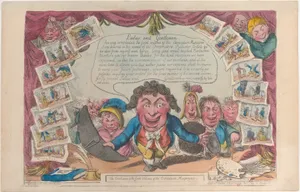
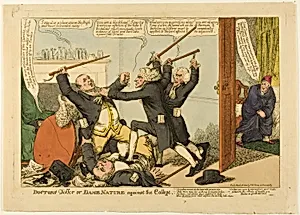
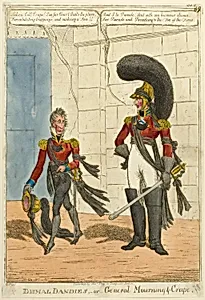
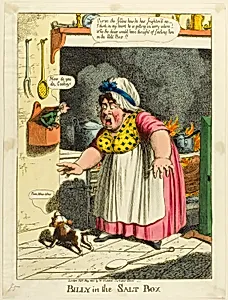
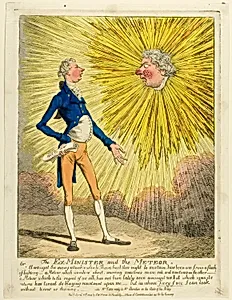
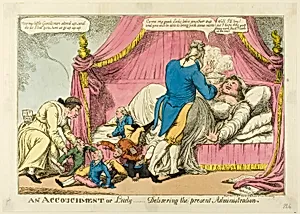
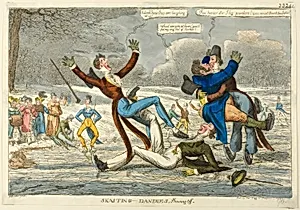
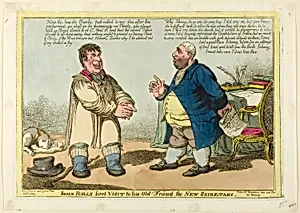
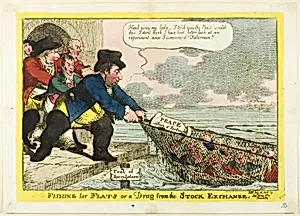
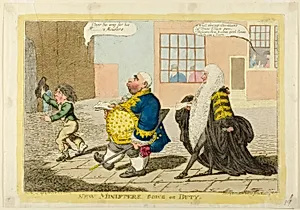
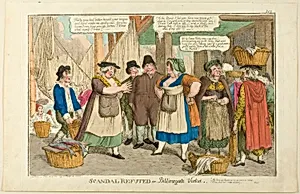
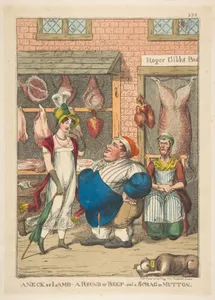
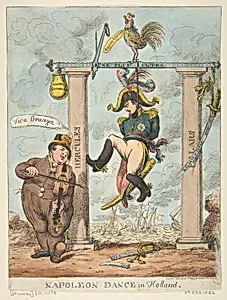
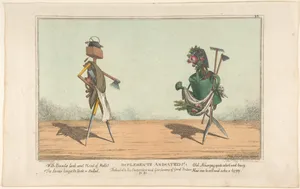
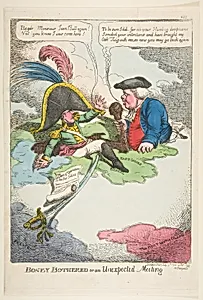
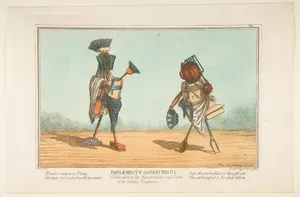
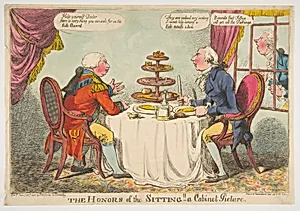
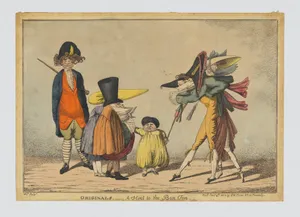
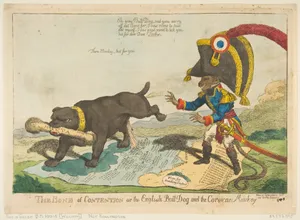
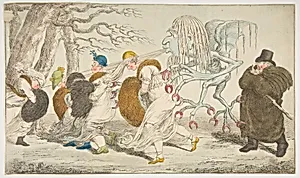
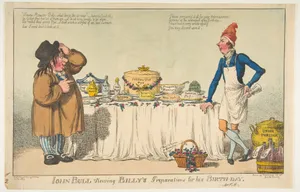
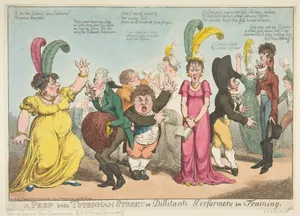
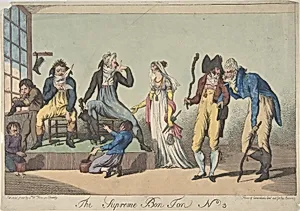
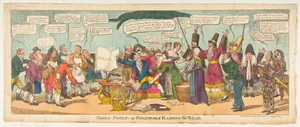
Charles Williams (1797–1830) was a British caricaturist and printmaker who worked in London during the final decades of the Georgian era, producing satirical prints for the thriving trade in political and social caricature that flourished in the city's print shops. He worked in the tradition established by such masters as James Gillray and Thomas Rowlandson, whose biting visual commentary on politics, manners, and public figures had made caricature one of the most popular and influential art forms of the period.
Williams produced a substantial body of work over his relatively brief career, contributing to the print publishers of St. James's and the Strand who supplied London's appetite for satirical imagery. His prints engaged with the political controversies of the day — parliamentary debates, royal scandals, military affairs, and the social tensions of Regency England — as well as with the everyday follies and fashions of Georgian society. Working in the etched line tradition with hand-coloring typical of the period's commercial prints, he developed a style that was lively and accessible, well suited to the popular market he served.
The historical record on Williams as an individual is limited: like many working printmakers of the Georgian period, he is known primarily through his published works rather than through extensive personal documentation. Sorting out his output from that of other artists working for the same publishers and in similar styles has presented challenges for print historians, and attribution questions persist for some works associated with his name.
Williams died in 1830, leaving behind a body of work that serves as a vivid record of the visual culture of Regency Britain. His prints, found today in collections of British graphic satire, contribute to our understanding of how Georgian society saw, laughed at, and criticized itself through the medium of the printed caricature.
![A Paradice [sic] for Fools–A Nocturnal Trip–or–The Disciple of Johanna benighted–vided Scourge No. XXXVI, page 510](https://images.artheonmuseum.org/met/dp/thumb/a-paradice-sic-for-fools-a-nocturnal-trip-or-the-disciple-of-johanna-benighted-v-398531.webp)