Ctrl K
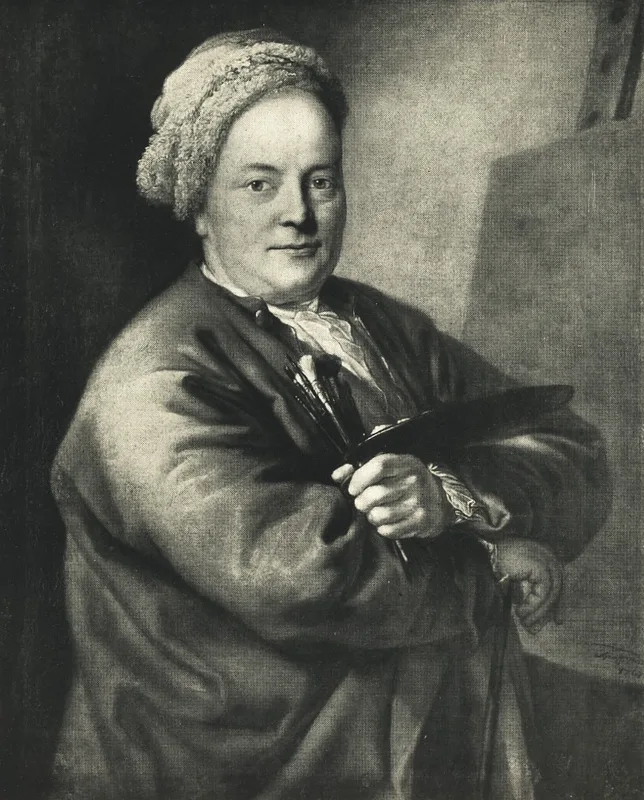
1712–1774
Christian Wilhelm Ernst Dietrich (1712–1774) was a German painter and etcher of considerable versatility, celebrated in his own time for a chameleonic ability to work convincingly in the manner of the great Dutch and Flemish masters of the preceding century. Born in Weimar, he received early training from his father and later studied under Alexander Thiele in Dresden, the city with which his career would be most closely associated. The patronage of Augustus III of Saxony, Elector of Saxony and King of Poland, proved decisive: Dietrich was appointed court painter in Dresden and given access to one of the finest collections of Old Master paintings in Europe, which he studied with the close attention of a devoted imitator.
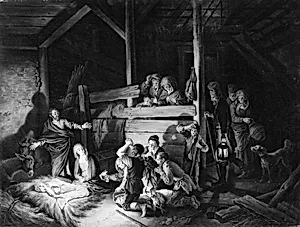
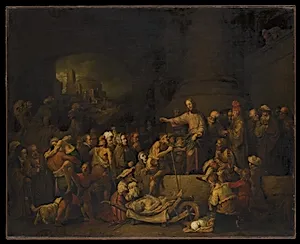
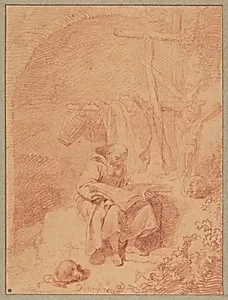
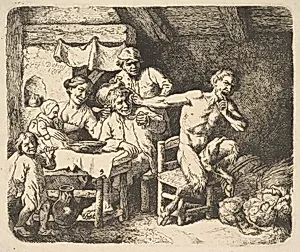
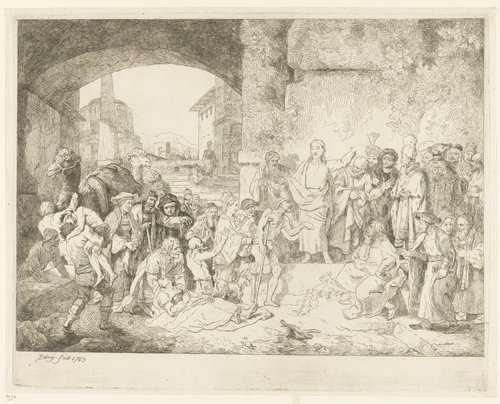
Dietrich's signal achievement — and, in the eyes of later critics, his principal limitation — was his mastery of pastiche. He could paint with apparent ease in the manner of Rembrandt, Teniers, Wouermans, and other Northern masters, producing works that sometimes entered collections as originals. He also assimilated the lighter French manner fashionable in the mid-eighteenth century, producing pastoral scenes and genre subjects in a style influenced by Watteau and Boucher. This breadth made him enormously popular with collectors who admired the Old Masters but desired new works in familiar veins.
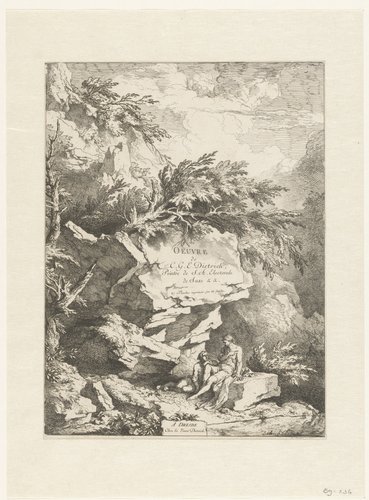
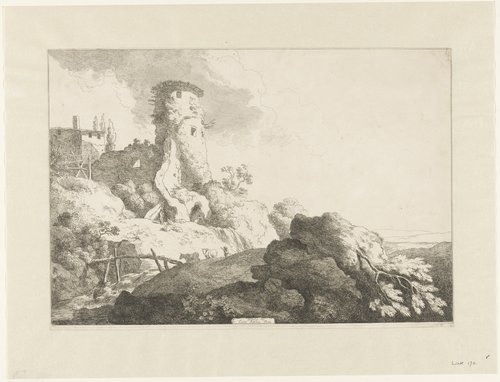
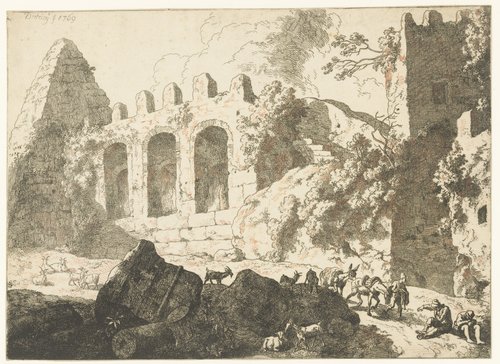
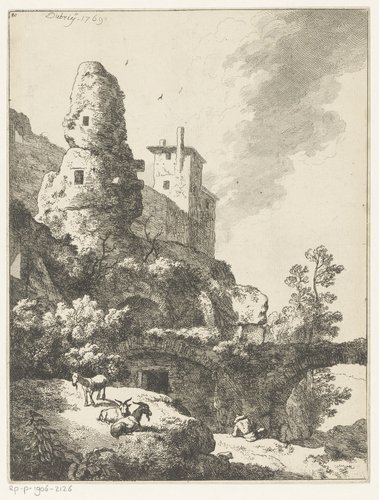
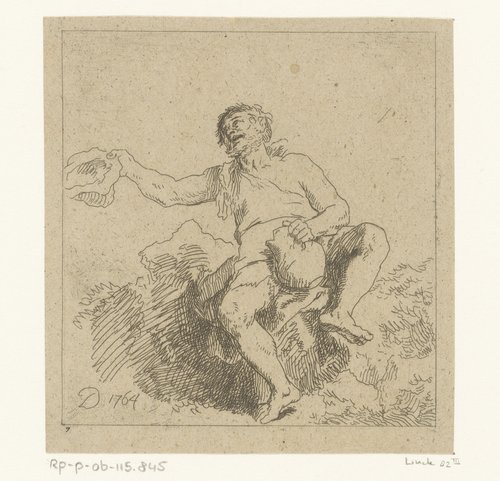
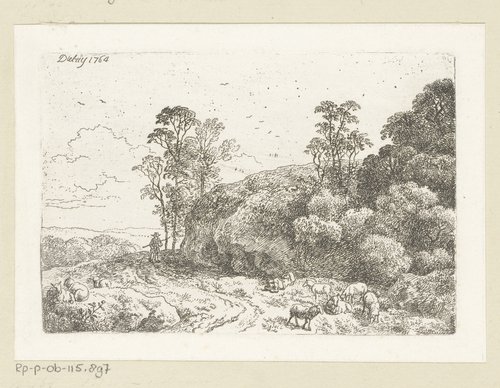
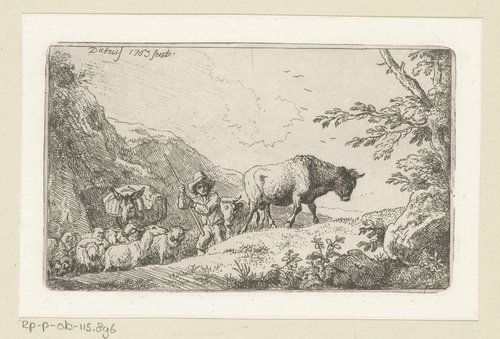
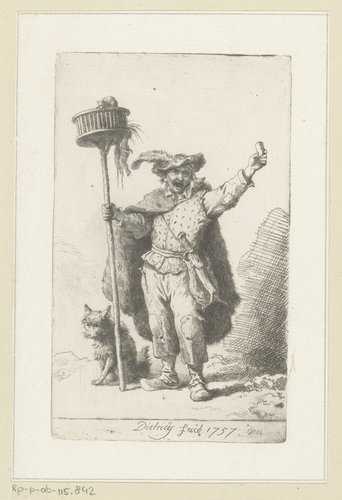
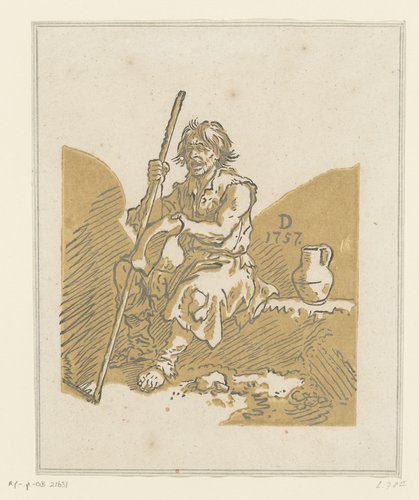
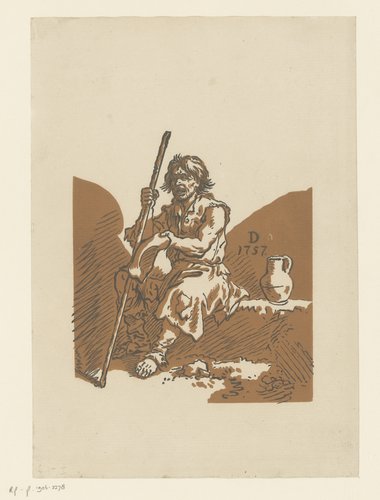
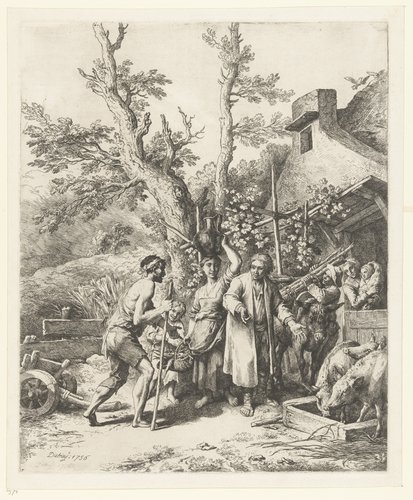
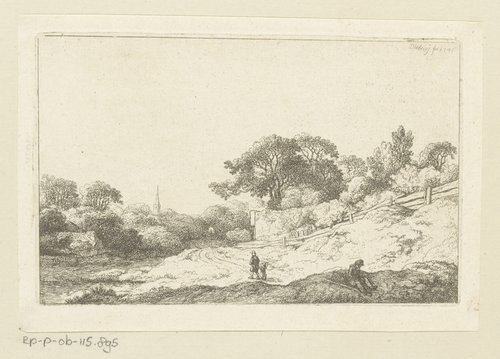
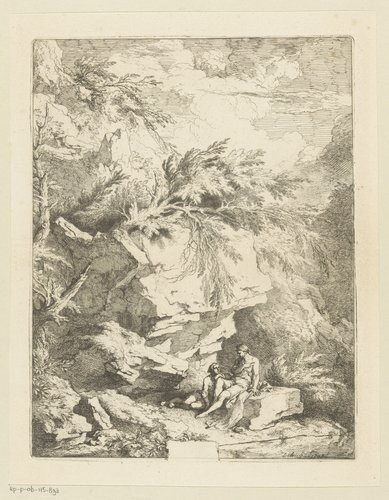
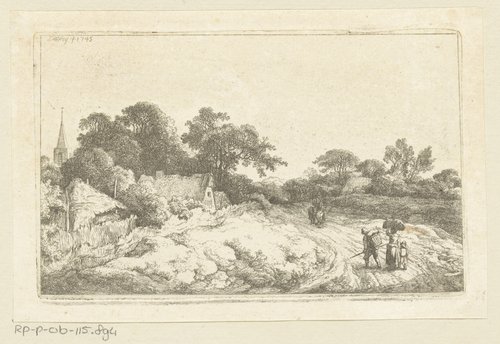
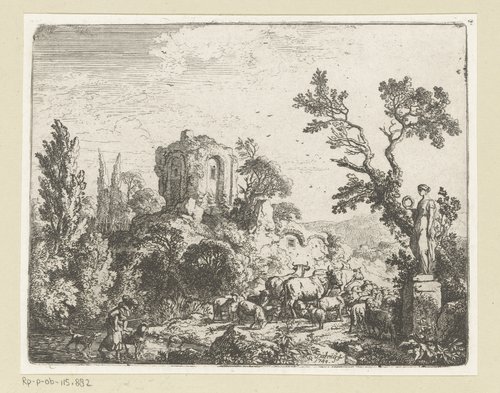
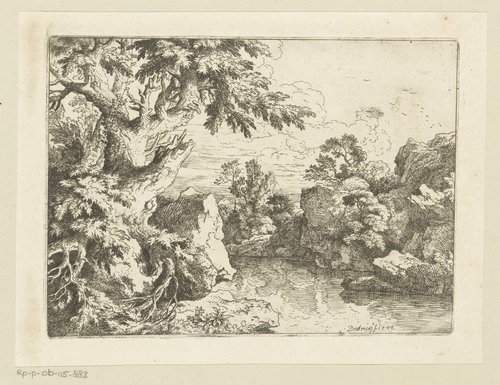
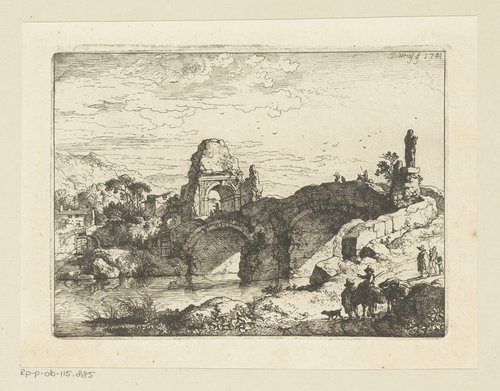
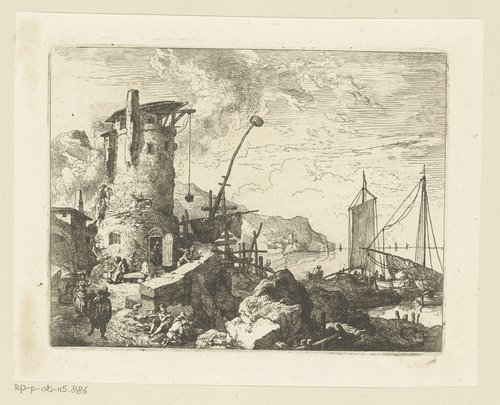
Beyond his paintings, Dietrich was a prolific etcher whose prints were widely disseminated and admired across Europe. He was appointed professor at the Dresden Academy of Fine Arts, where he influenced a generation of German artists, and his role as a teacher gave his legacy an institutional dimension beyond his own extensive output.
Dietrich's reputation underwent the inevitable reassessment that awaits artists celebrated primarily for imitation. Yet his technical accomplishment was genuine, and his work offers art historians valuable insight into the culture of collecting, connoisseurship, and artistic emulation that characterized eighteenth-century European court culture. His paintings and prints are held in the Dresden Gemäldegalerie and other major European collections.