Ctrl K
1607–1681
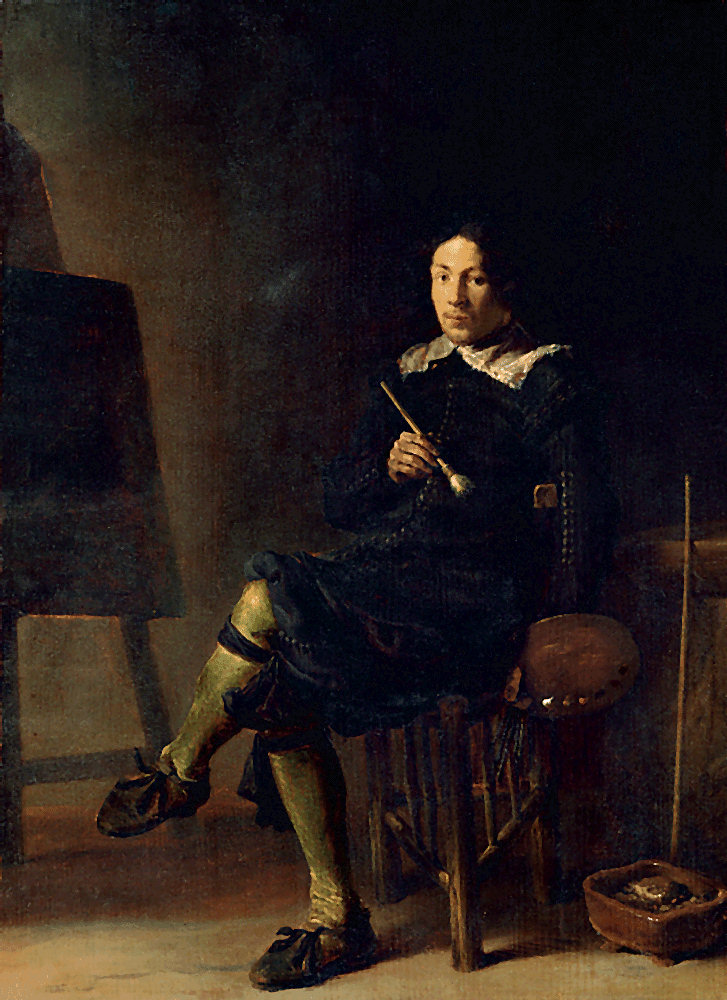
Cornelis Saftleven (c. 1607–1681) was born in Gorinchem into a family of artists, with his father Herman Saftleven and brothers Abraham and Herman Saftleven the Younger also painters. He likely learned his craft from his father in Rotterdam, where the family was active, and later collaborated closely with his brother Herman in Utrecht around 1634, developing innovative stable interiors as a new motif in peasant genre painting. Saftleven briefly visited Antwerp circa 1632, absorbing influences from Adriaen Brouwer's earthy portraits and peasant scenes, which shaped his early style. By 1637, he settled permanently in Rotterdam, marrying Catharina Dirksz. van der Heyde in 1648 (she died in 1654) and remarrying Elisabeth van der Avondt in 1655. His prominence grew as he became dean of the Rotterdam Guild of Saint Luke in 1667.
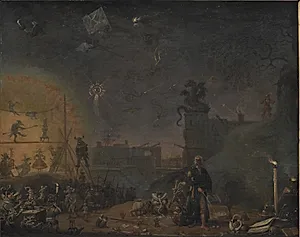
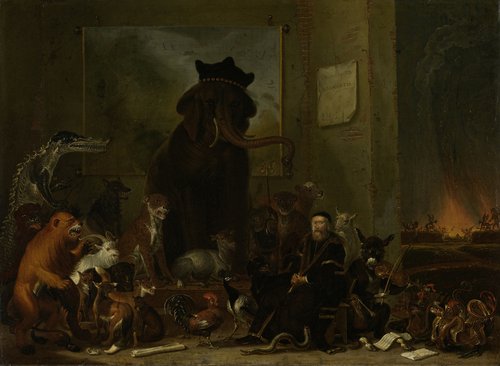
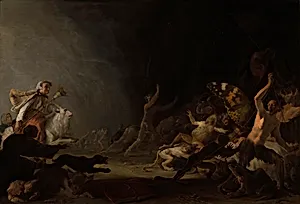
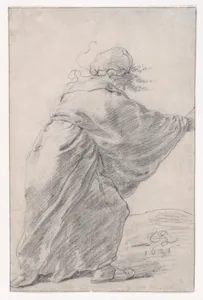
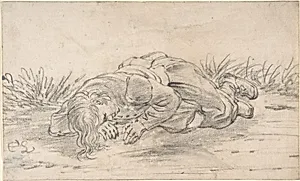
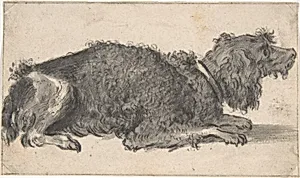
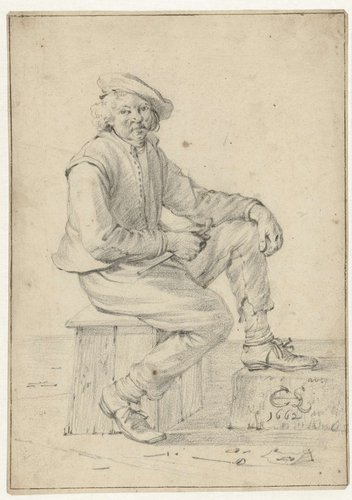
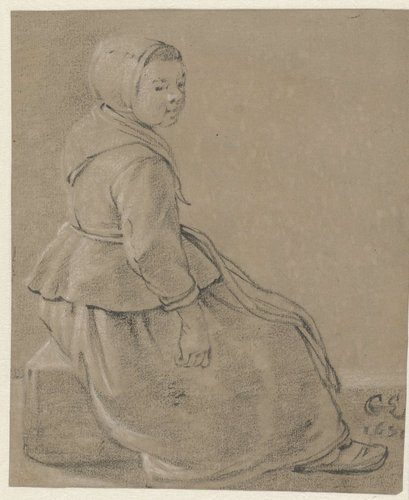
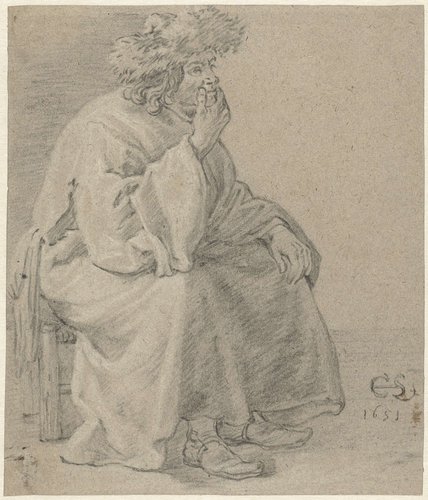
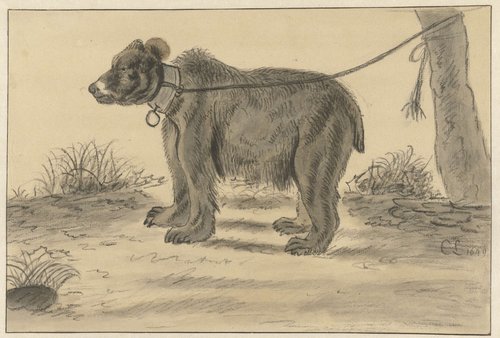
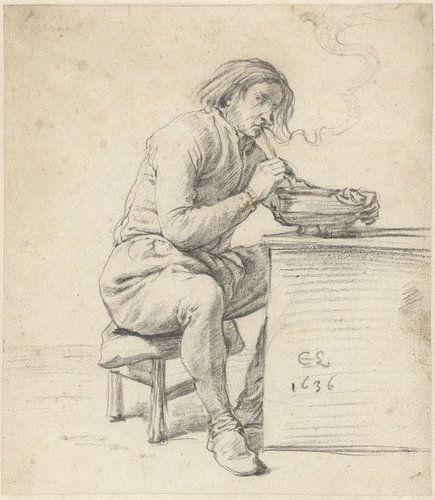
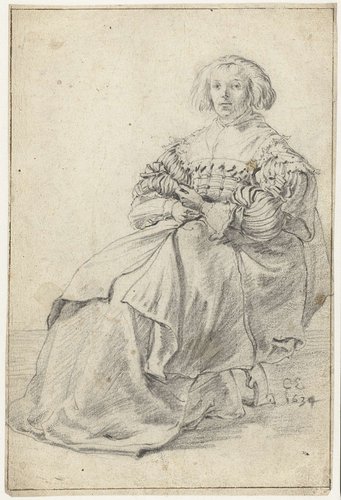
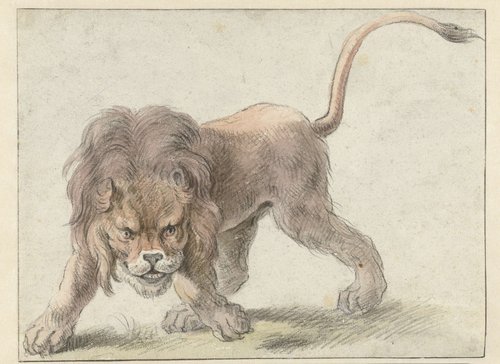
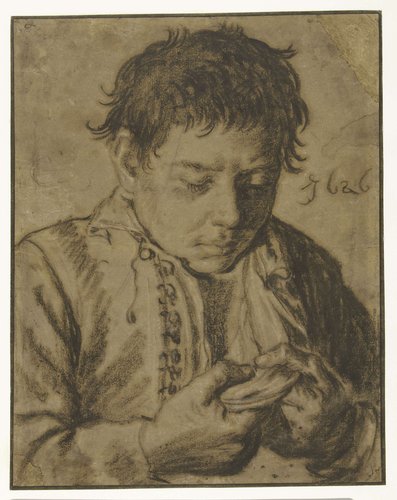
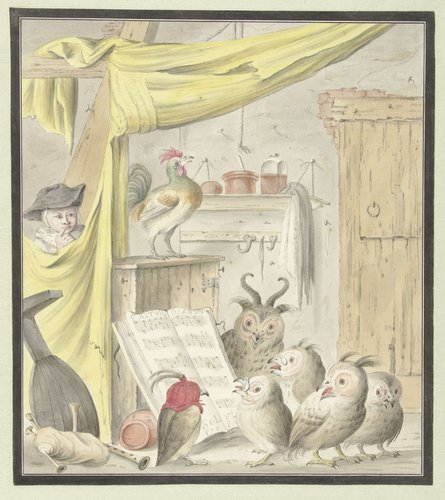
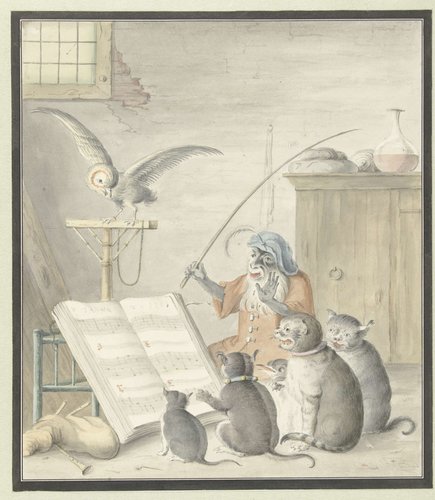
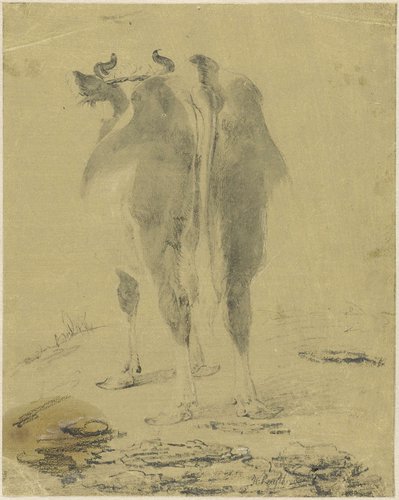
A master of versatility, Saftleven produced around 200 oil paintings and 500 drawings, excelling in black chalk studies of young men and meticulously observed animals, influenced by Roelandt Savery. His oeuvre spanned rural genre scenes, farmhouse interiors, beach landscapes with cattle, history paintings, and provocative allegories. He anthropomorphized animals in satirical works like *College of Animals*, portraying them as scheming characters, and delved into nightmarish visions of Hell and the *Temptation of St. Anthony* (multiple versions). Early masterpieces include *Who Sues for a Cow* (1629), a witty courtroom farce with animals, and *Two Musicians* (c. 1633), a double portrait with his brother. Peter Paul Rubens owned eight of his paintings, even adding figures to some before 1640.
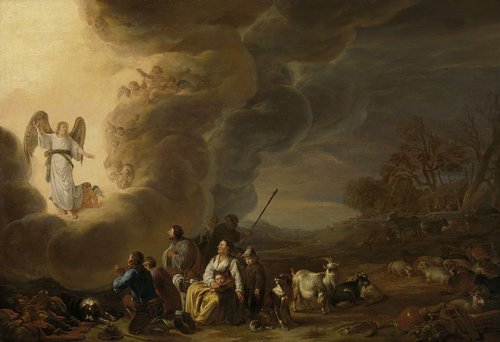
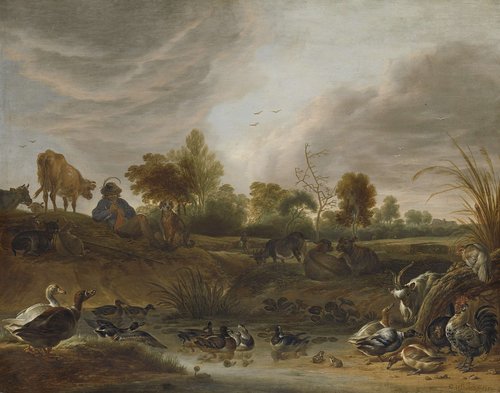
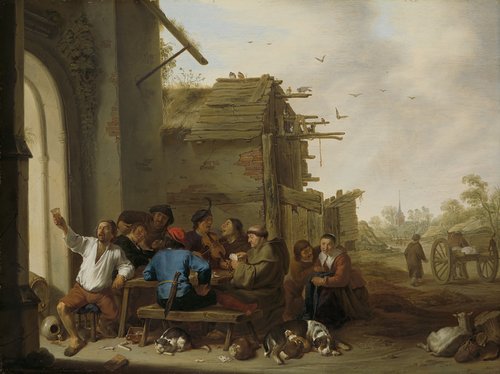
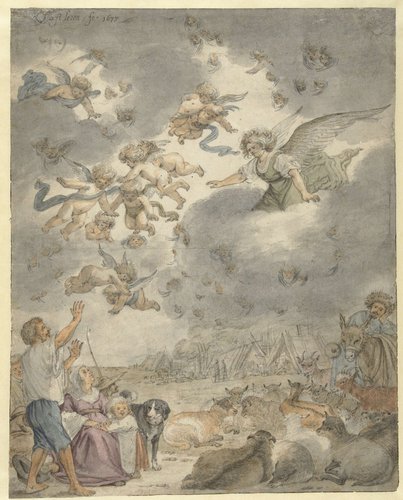
Saftleven's legacy endures in Dutch Golden Age art through his contributions to genre innovation, particularly Hell scenes, animal satires, and proverbs illustrations, which blended humor with moral commentary. His pupils—Abraham Hondius, Ludolf de Jongh, and Egbert Lievensz. van der Poel—extended his rustic and animal-focused traditions. Works like *Figures before a Village Inn*, *Landscape with Animals*, and *The Annunciation to the Shepherds* highlight his skill in lively, populated landscapes, cementing his reputation as a prolific chronicler of everyday and fantastical life.