Ctrl K
1802–1881
**David Lucas (1802–1881)**
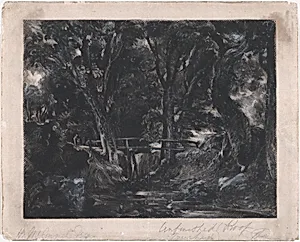
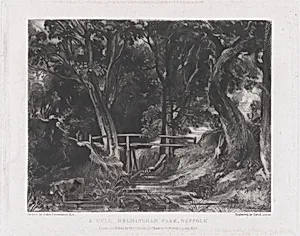
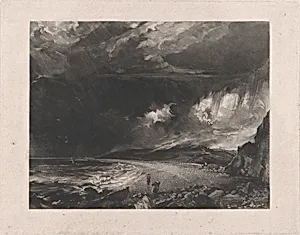
David Lucas was born in 1802 in Geddington Chase, Northamptonshire, the son of a farmer.) A chance encounter in 1820 led him to become a pupil of the renowned engraver Samuel William Reynolds, under whom he apprenticed in London until 1827, mastering the art of mezzotint engraving.) By 1827, Lucas had published his first mezzotints, showcasing his precocious talent for capturing subtle gradations of tone and light through the labor-intensive mezzotint process, which involved roughening a copper plate and selectively scraping to create velvety shadows and luminous highlights.
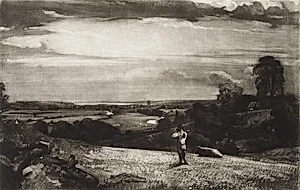
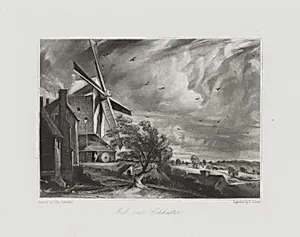
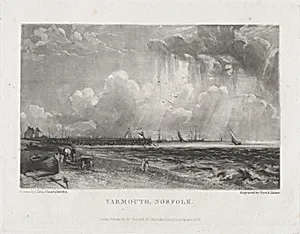
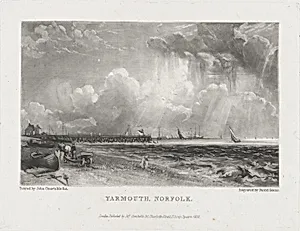
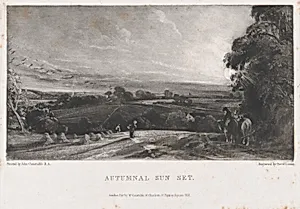
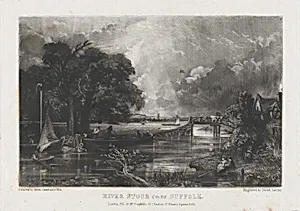
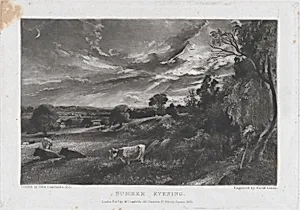
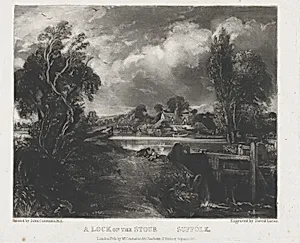
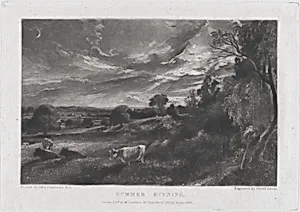
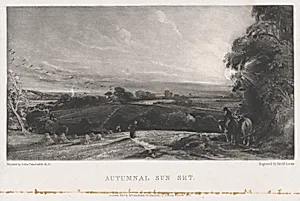
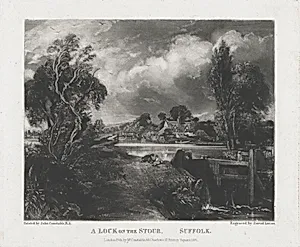
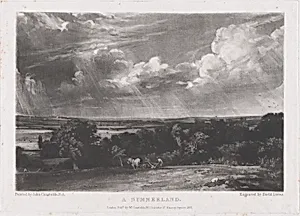
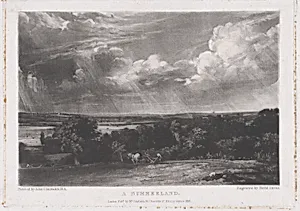
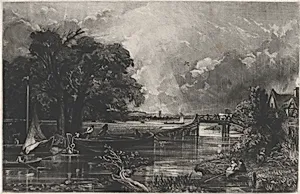
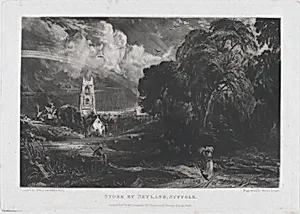
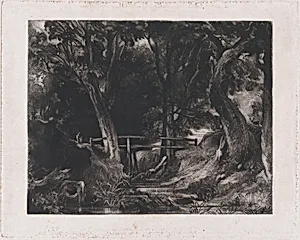
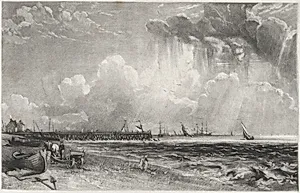
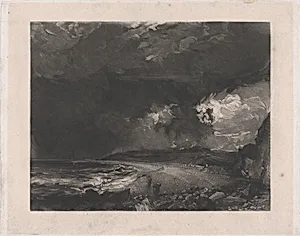
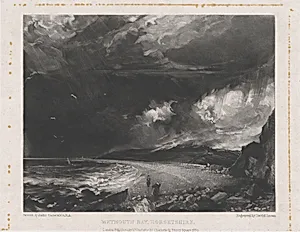
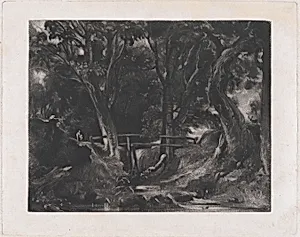
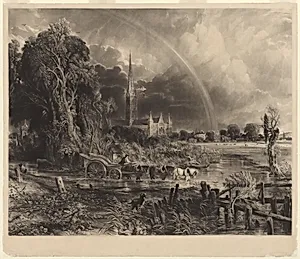
Lucas's career reached its zenith through his close collaboration with landscape painter John Constable, whom he met by 1829. From 1830 to 1832, he produced all 22 mezzotint plates for Constable's ambitious publication *Various Subjects of Landscape, Characteristic of English Scenery*, commonly known as *English Landscape*.) Constable personally supervised the project, making extensive corrections to proofs, resulting in prints of extraordinary fidelity to his oil sketches, such as *The Lock and Dedham Vale* (1834), *Noon* (1830), *A Mill near Brighton* (1838), *View on the River Orwell near Ipswich* (1830–1831), and *A Summerland* (1831).) This partnership not only immortalized Constable's fresh, naturalistic vision of the English countryside but also elevated mezzotint as a reproductive medium capable of rivaling painting in emotional depth. Lucas married Jane Smith in 1830 amid this intense period of creativity.
Following Constable's death in 1837, Lucas continued engraving for the artist's family, producing reissues of the *English Landscape* series, as well as portraits like his acclaimed mezzotint of the Duke of Wellington and landscapes after Frederick Richard Lee. Despite his skill, later years brought hardship; he died impoverished on 22 August 1881 in Fulham workhouse, buried in a pauper's grave.) Lucas's legacy endures as the foremost interpreter of Constable's oeuvre, with over 59 known works in collections worldwide democratizing Romantic landscape art through affordable prints. His technique preserved the flickering sunlight and atmospheric moisture of Constable's scenes, influencing generations of engravers and affirming mezzotint's power to evoke nature's sublime transience.