Ctrl K
1576–1632
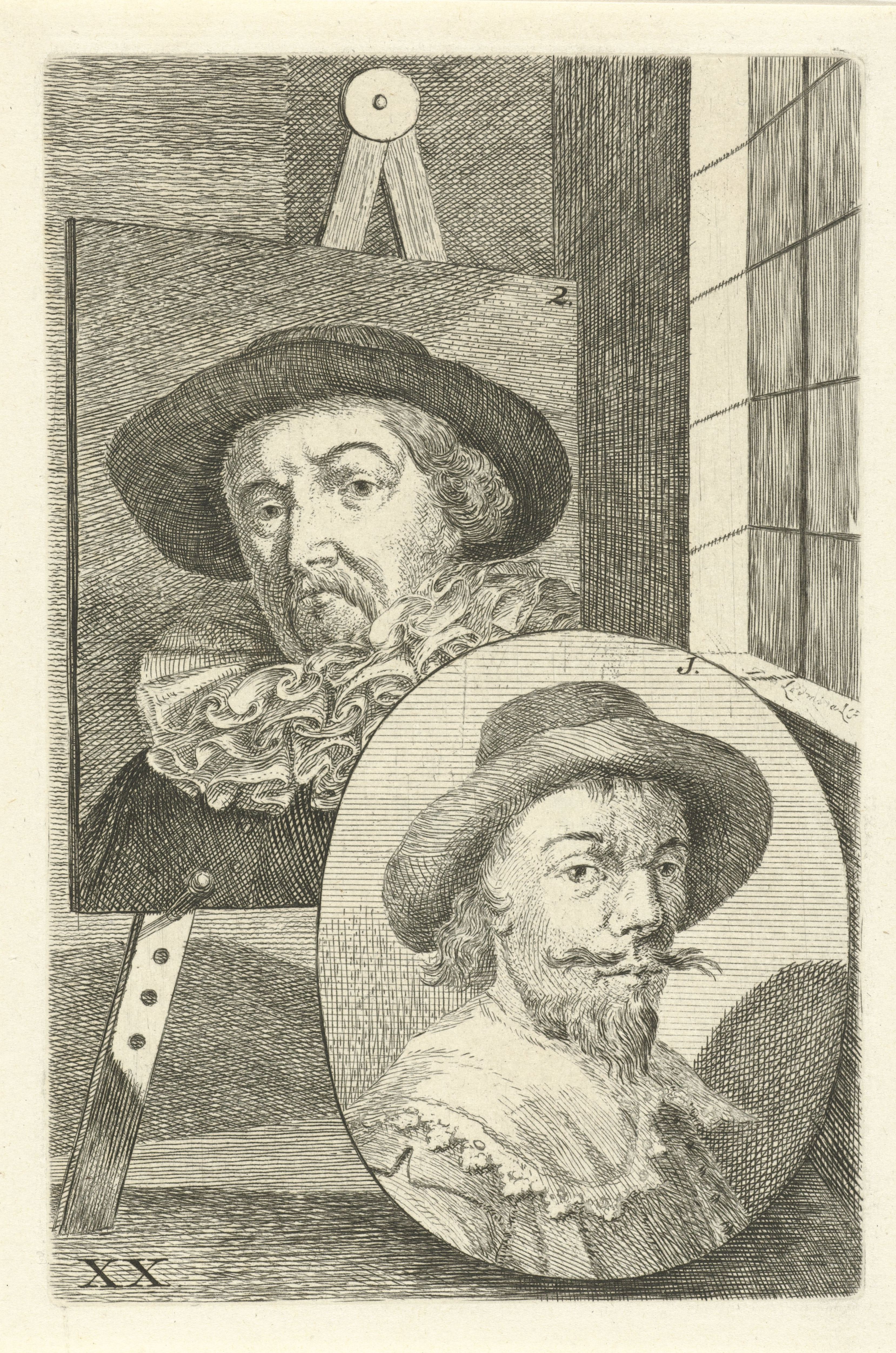
David Vinckboons (baptized 13 August 1576 – c. 1632) was a Flemish-born painter who became a pivotal figure in the Dutch Golden Age. Born in Mechelen in the Southern Netherlands, he was the son of Philips Vinckboons, a watercolor painter on canvas, under whom he studied as his sole teacher, according to Karel van Mander. The family fled religious turmoil, moving first to Antwerp around 1580, then to Middelburg after the Spanish reoccupation of Antwerp in 1585, and finally settling in Amsterdam by 1591, where David spent most of his career and died. He married in Leeuwarden in 1602 and fathered several notable sons, including architects Justus and Philips Vingboons, cartographer Johannes, and engineer Pieter.
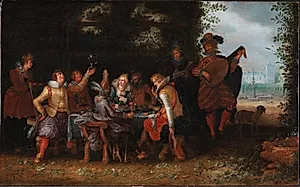
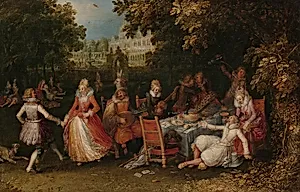
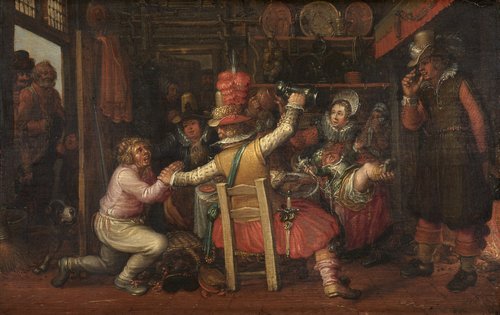
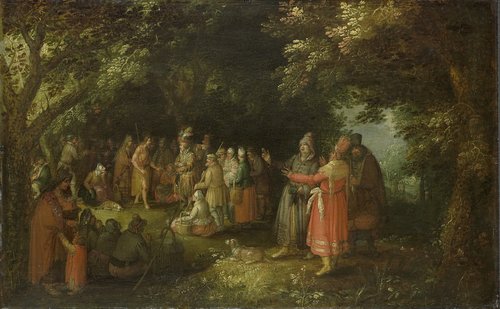
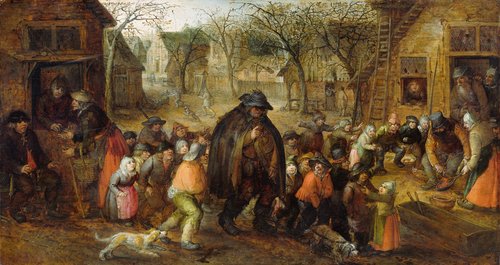
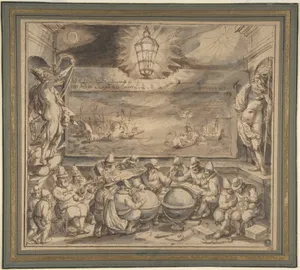
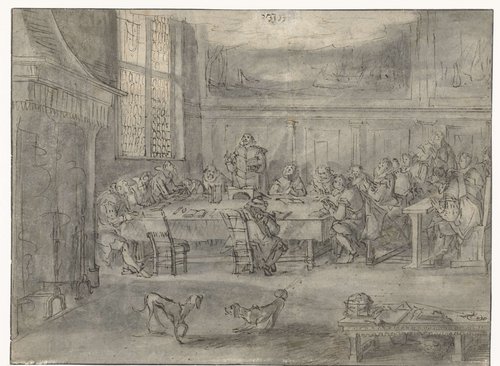
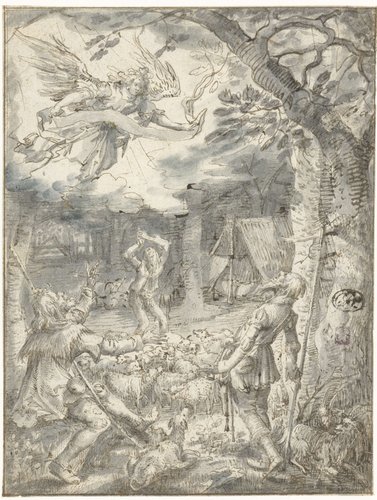
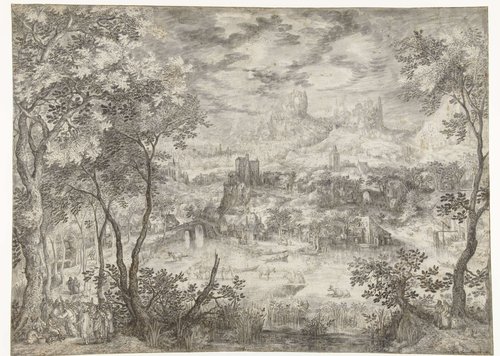
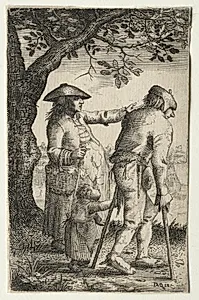
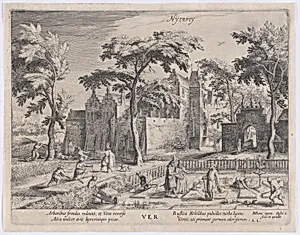
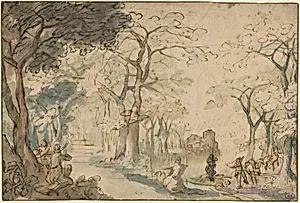
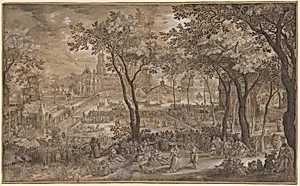
In Amsterdam, Vinckboons emerged as a prolific and popular artist, excelling in landscape and genre scenes populated with small, elegant figures amid park-like settings, bustling kermesses (village festivals), peasant gatherings, and biblical narratives. His style drew from the panoramic landscapes of Gillis van Coninxloo and the lively peasant motifs of Pieter Bruegel the Elder, while he worked alongside Hans Bol and Roelant Savery to pioneer genre painting in the northern Netherlands. He also produced numerous drawings and etchings, often reproduced by engravers like Claes Jansz. Visscher, depicting hunting scenes, the Prodigal Son, and the Four Seasons.
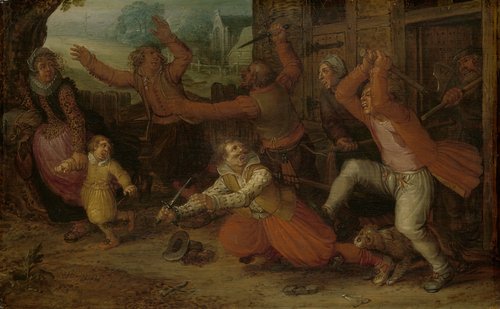
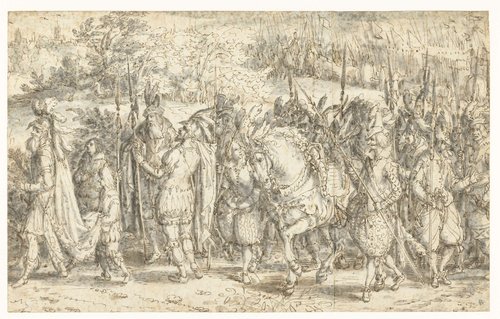
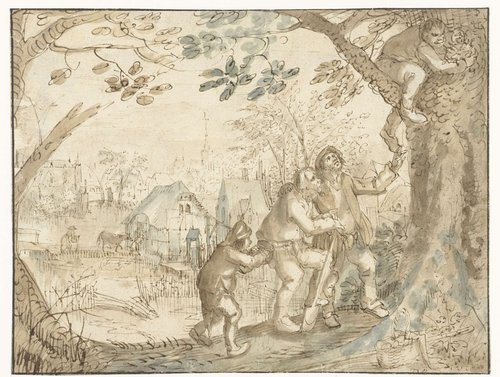
Among his major works are *Outdoor Merry Company* (1610, Akademie der Bildenden Künste, Vienna), capturing festive revelry; *Tobias and the Angel* (1619, Olana State Historic Site); and *Landscape with Skaters* (c. 1615, National Museum, Warsaw), evoking winter merriment. Others include *The Peasant's Misfortune* (Rijksmuseum) and *An Officer Preparing His Troops for an Ambush*. Vinckboons trained pupils such as Gillis d'Hondecoeter and probably Esaias van de Velde, extending his influence.
Vinckboons's legacy endures as one of the era's most copied artists, his prints disseminating innovative compositions that bridged Flemish traditions with emerging Dutch realism, shaping generations of landscapists and genre painters. His vast oeuvre, blending topographic precision with vivacious human activity, remains a vibrant testament to early seventeenth-century life.