Ctrl K
1737–1896
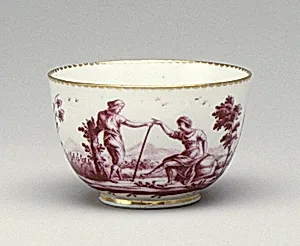
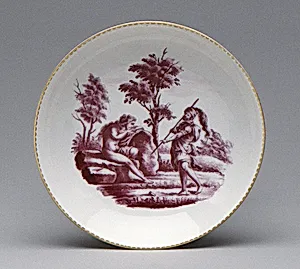
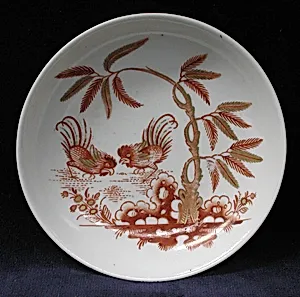
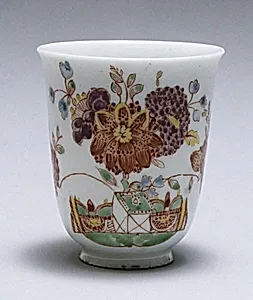
The Doccia Porcelain Manufactory, founded in 1737 by Marquis Carlo Ginori near Florence, holds the distinction of being Italy's first hard-paste porcelain manufacturer and one of the few European porcelain enterprises to survive from the eighteenth century to the present day without interruption. Unlike most contemporary ventures — which depended on the patronage and protection of ruling courts — Doccia was established entirely through private initiative. Carlo Ginori, trained as a chemist and driven by scientific curiosity alongside commercial ambition, converted a villa he owned in Doccia, now part of Sesto Fiorentino, into a working manufactory. He obtained an exclusive privilege for porcelain production throughout the Grand Duchy of Tuscany, granted on 3 March 1741, giving the factory a monopoly that underpinned its early growth.
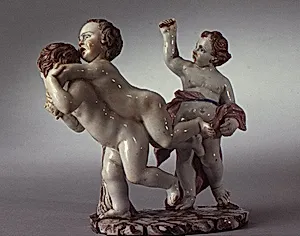
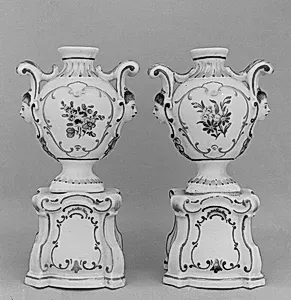
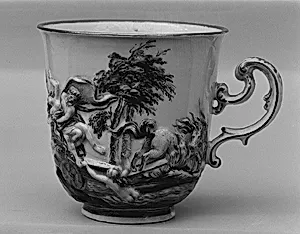
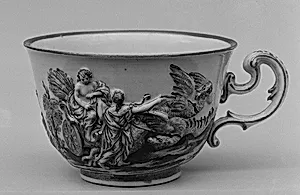
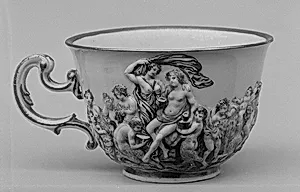
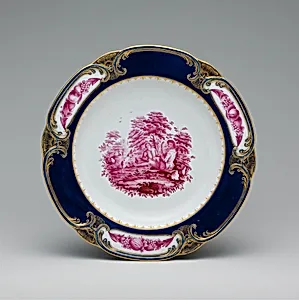
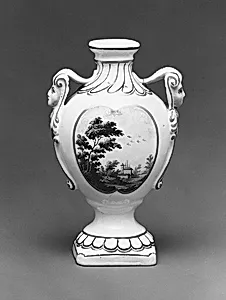
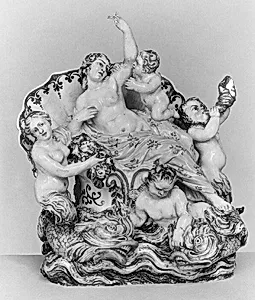
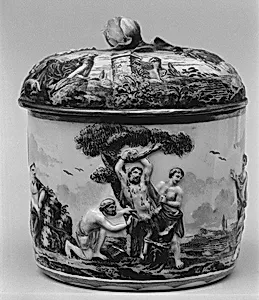
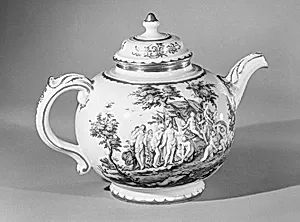
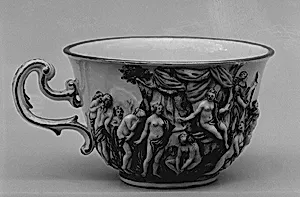
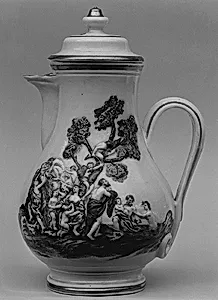
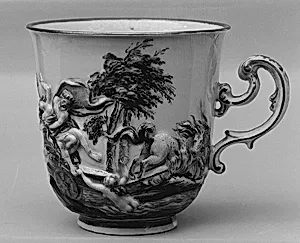
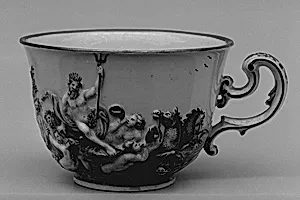
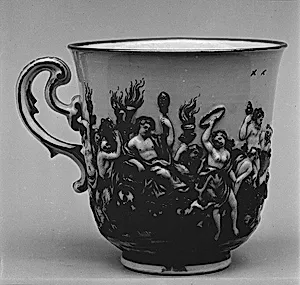
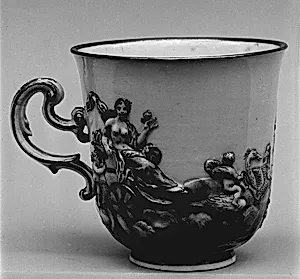
Ginori brought distinguished talent to his enterprise from the outset. During a visit to Vienna in 1737 to pay homage to the new Grand Duke of Tuscany, he persuaded the young painter Carl Anreiter to join the Doccia venture and relocate to Florence. Gaspare Bruschi was employed as the factory's chief modeler, responsible for its sculptural output. The factory began public sales in 1746 and quickly developed a reputation for ambitious porcelain sculpture as well as tablewares. Doccia's early production drew on Italian Baroque traditions and Meissen precedents, producing large-scale figural groups alongside dinner services, religious objects, and decorative vases.
Over the following century and a half the manufactory remained in the Ginori family, passing through successive generations who continued to develop its technical and artistic capabilities. The factory became particularly known for its hybrid paste — a grey-toned hard porcelain with a distinctive character — and for its willingness to revive and reissue earlier sculptural models, creating a continuum with its own historic production. In 1896, the Ginori descendants merged the Doccia works with the Richard Ceramic Society of Milan, giving rise to the entity known as Richard Ginori, which continues to operate today as Ginori 1735.
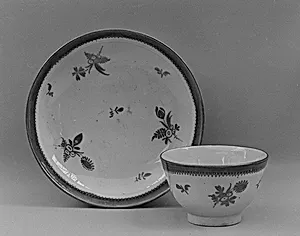
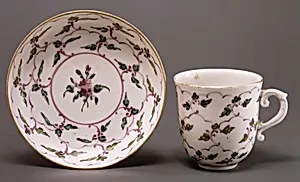
Doccia wares are held in the collections of the Metropolitan Museum of Art, the Museo di Doccia adjacent to the original factory site, and major museums across Europe. The manufactory's nearly three-century continuity of production makes it a singular institution in the history of European ceramics, and its early works are prized by scholars and collectors as foundational examples of Italian porcelain art.