Ctrl K
1828–1905
Occupations
Eugène Lacomblé (1828–1905) was a versatile Belgian artist who worked primarily as a sculptor but also practiced painting, watercolor, drawing, and etching, embodying the nineteenth-century ideal of the multi-talented artist-craftsman. Born in Brussels and dying in Arnhem, Lacomblé's career spanned the second half of the nineteenth century, a period of significant artistic and social change in Europe. Beyond his own artistic production, Lacomblé made important contributions as a teacher at various academies, influencing a generation of Dutch and Belgian artists who studied under him.
Eugène Lacomblé was born on March 5, 1828, in Brussels, Belgium, at a time when the newly independent Kingdom of Belgium (established 1830) was developing its own national artistic identity distinct from both French and Dutch traditions. Growing up in Brussels, the cultural and political capital of this young nation, Lacomblé received artistic training that would have emphasized both traditional academic methods and contemporary developments in European art.
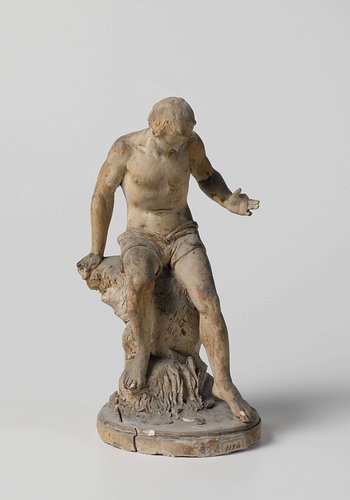
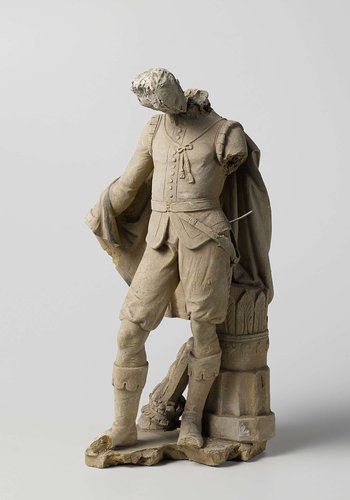
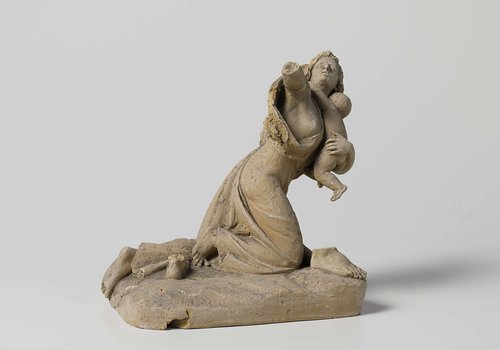
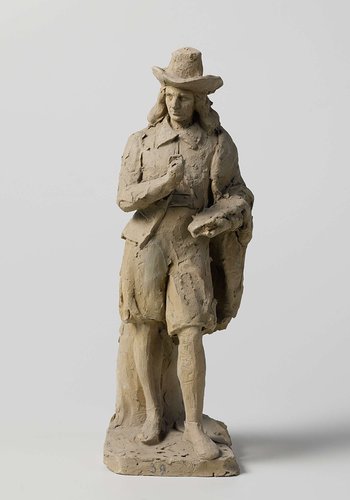
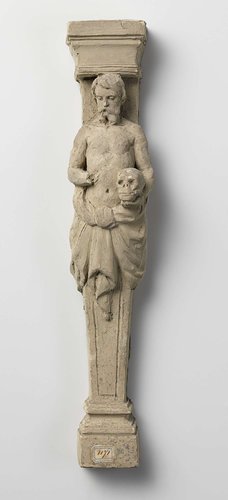
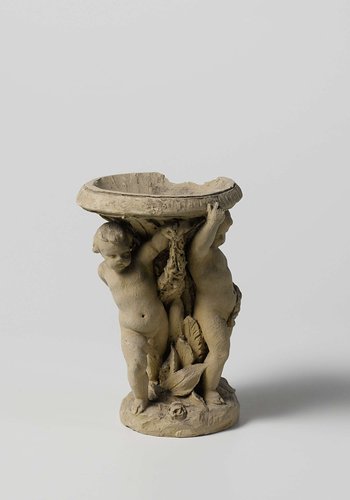
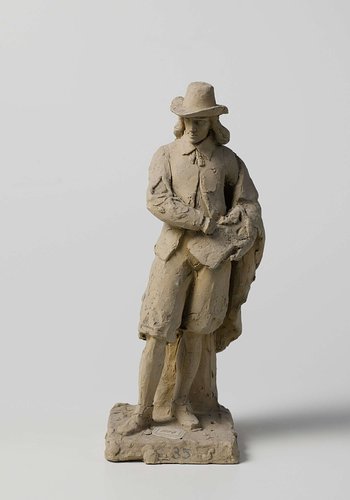
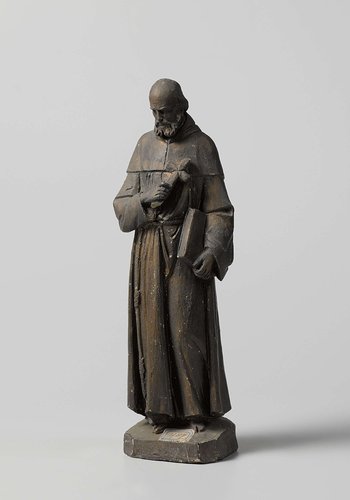
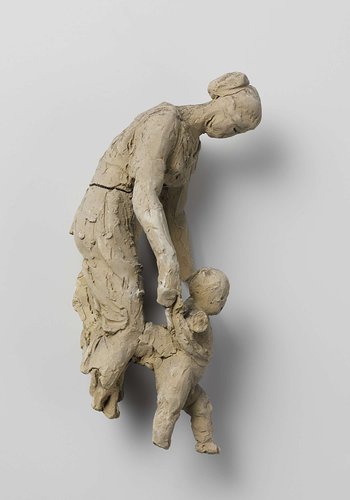
Lacomblé's education as a sculptor required mastery of multiple materials and techniques. Sculptors in this period typically worked in clay for initial modeling, creating maquettes and studies that would then be translated into more permanent materials. His documented works include sculptures in marble, terracotta, and plaster, each material requiring distinct technical approaches. Marble carving demanded precision and patience, as errors could not be easily corrected. Terracotta, a fired clay, allowed for more spontaneous modeling and was often used for sketches and decorative works. Plaster served multiple functions: as a material for finished works, for creating molds, and for making casts of sculptures in other materials.
In addition to sculpture, Lacomblé trained as a painter, watercolorist, draftsman, and etcher. This versatility was not unusual for nineteenth-century artists, who often worked in multiple media. The different media served different purposes: oil painting for major finished works and commissions, watercolor for studies and more intimate subjects, drawing as fundamental practice underlying all visual arts, and etching for creating reproducible images.
Lacomblé's career took him beyond Belgium to work in several major European cities: Brussels, Paris, The Hague, and Delft. This mobility was typical of successful nineteenth-century artists, who followed commissions and opportunities across national boundaries. Paris, as Europe's artistic capital, drew artists from across the continent seeking training, inspiration, and markets. The Hague and Delft offered opportunities in the Netherlands, where Lacomblé eventually settled.
A crucial aspect of Lacomblé's career was his work as a teacher at various academies. Teaching positions provided artists with stable income and professional status while allowing them to continue their own creative work. Lacomblé taught at academies in both Belgium and the Netherlands, training numerous students who would themselves become practicing artists. His documented students include Johan Coenraad Altorf, Franciscus Henricus Antheunis, Maria Elisabeth Hardenberg, Bart van Hove, Manna Mouton, Arend Jan Nieuwenhuis, Henriëtte Vaillant, Louis Vreugde, and Charles van Wijk—a roster that demonstrates both the breadth of his teaching and his influence on Dutch and Belgian art.
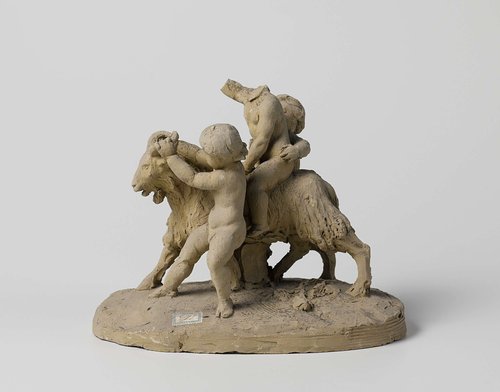
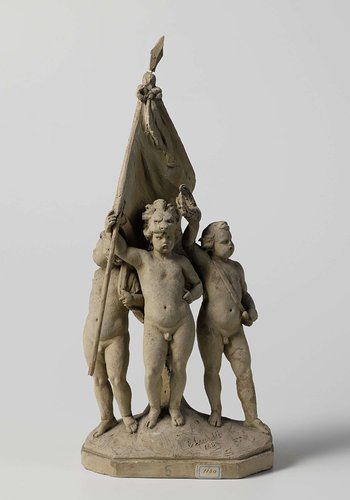
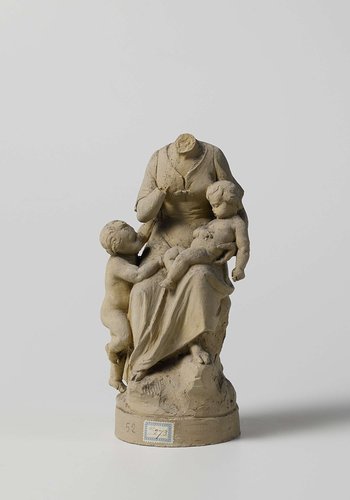
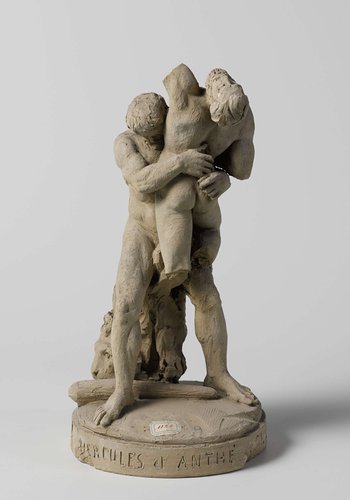
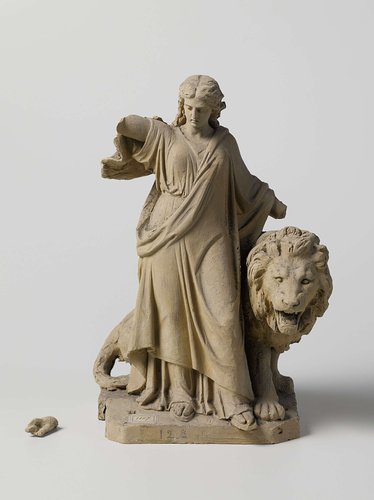
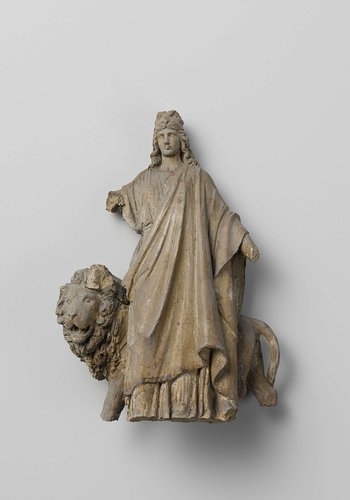
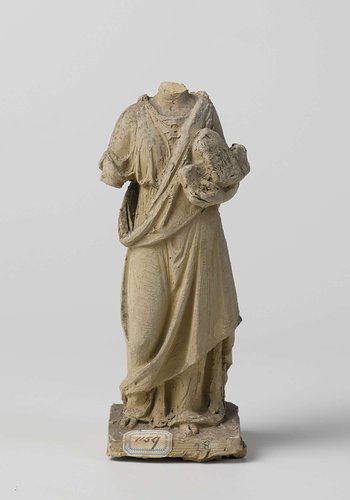
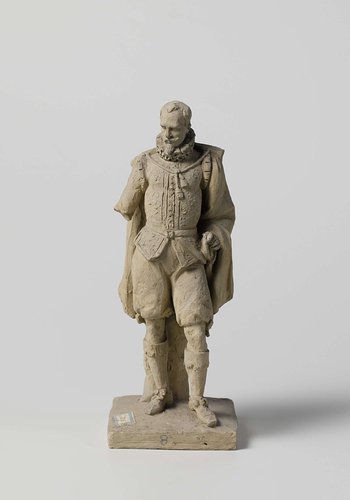
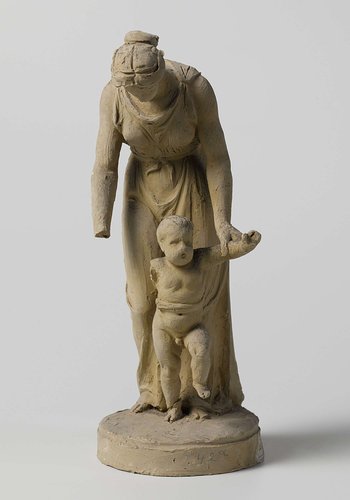
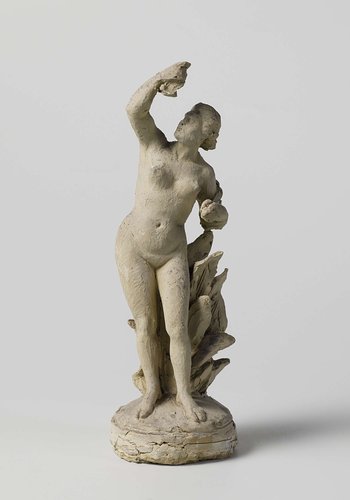
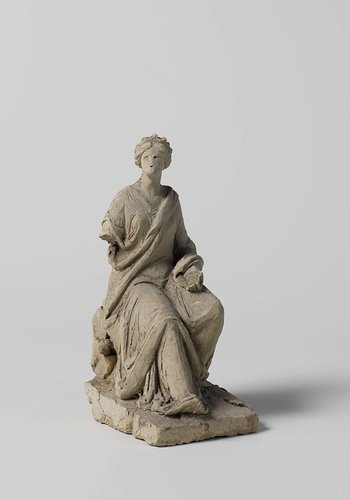
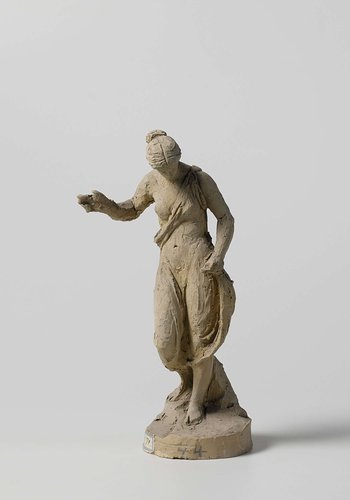
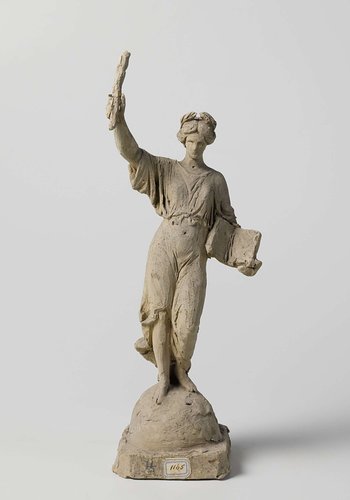
The Rijksmuseum in Amsterdam holds several of Lacomblé's sculptural works in their collection, including allegorical figures representing Commerce and Industry. These works, dating from the nineteenth century, demonstrate the type of decorative and commemorative sculpture that was in demand during this period. Such allegorical figures adorned public buildings, exhibitions, and private commissions, embodying abstract concepts through personification—a practice with roots in classical and Renaissance art that remained vital in the nineteenth century.
Eugène Lacomblé died on November 17, 1905, in Arnhem, Netherlands, having spent his final years in the country where he had taught and worked for decades. His death at age seventy-seven ended a career that had spanned more than half a century, during which he contributed to both Belgian and Dutch artistic culture as creator and educator.
Artheon Research Team
Last updated: 2025-11-09
Biography length: ~774 words
Wikidata (CC0)