Ctrl K
1817–1892
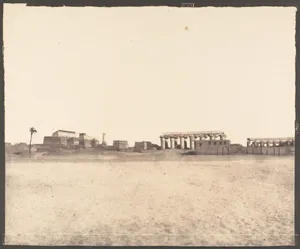
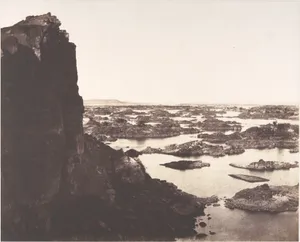
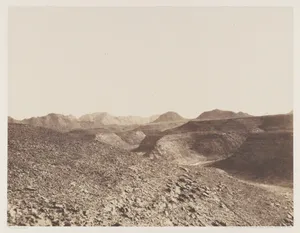
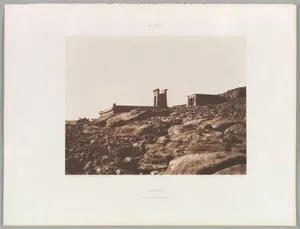
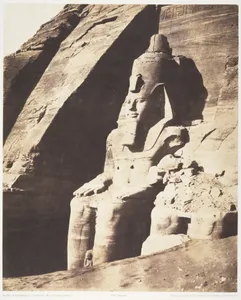
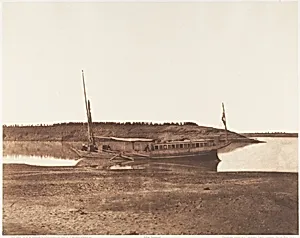
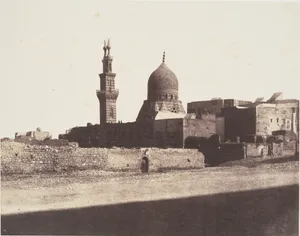
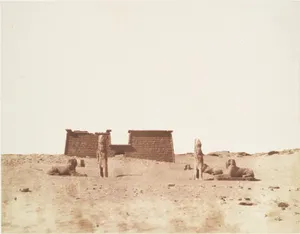
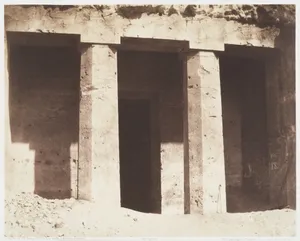
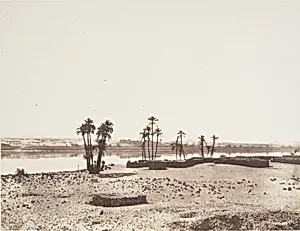
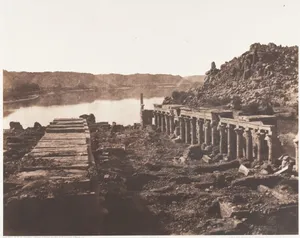
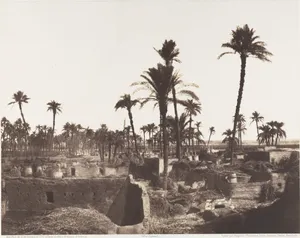
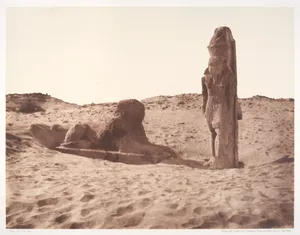
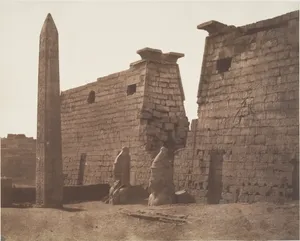
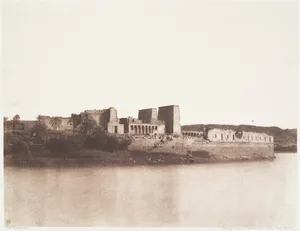
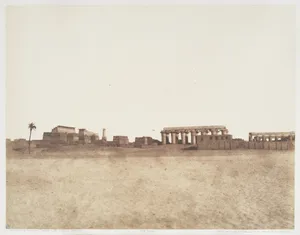
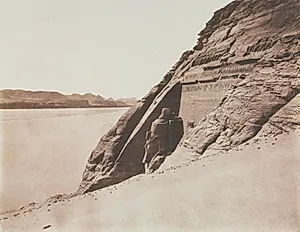
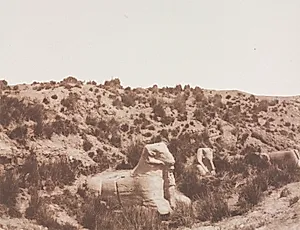
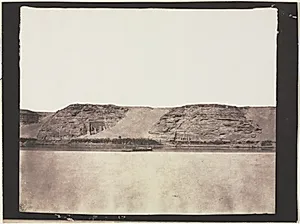
**Félix Teynard (1817–1892)** was a pioneering French photographer whose work captured the ancient wonders of Egypt and Nubia with unprecedented precision and artistry. Born on January 14, 1817, in Saint-Flour, he trained as a civil engineer in Grenoble, a hub of Egyptology that likely sparked his fascination with ancient architecture. Little is documented about his early life or formal photographic training; he appears to have been self-taught, mastering the calotype process—using waxed paper negatives—around 1851. That year, Teynard embarked on an ambitious voyage up the Nile River, traveling over a thousand miles from Cairo to the Second Cataract in Nubia expressly to document the monuments as a photographic counterpart to Napoleon's *Description de l'Égypte* (1809–1829).
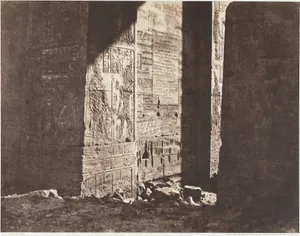
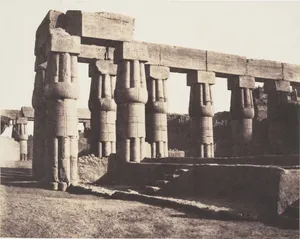
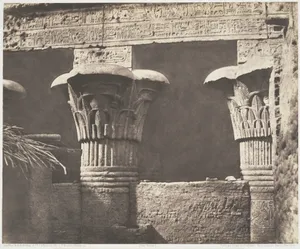
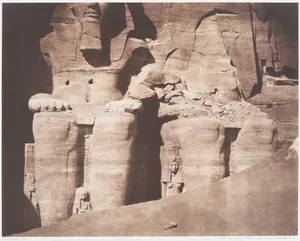
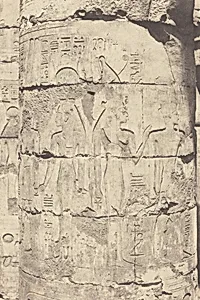
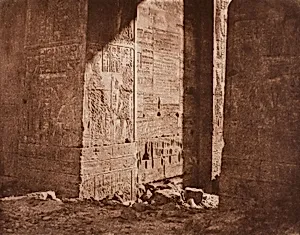
Teynard's engineering background profoundly shaped his approach, emphasizing the physicality of structures—their scale, materials, decay, and spatial relationships—rendered through dramatic contrasts of light and shadow in salted paper prints. His compositions reveal a pragmatic eye for mensuration and analysis, yet one infused with original vision, rivaling contemporaries like Gustave Le Gray. Working in the calotype tradition, he produced around 160 images, including precise studies of temples, pylons, and tombs, often trimming negatives for refined framing.
In 1853–1854, his negatives were printed by H. de Fonteny et Cie, culminating in the lavish 1858 publication *Égypte et Nubie: Sites et Monuments les plus intéressantes pour l'étude de l'art et de l'histoire*, an atlas featuring masterpieces like *Dandour, Vue Générale des Ruines*, *Karnak (Thèbes), Palais—Salle hypostyle—Colonnade Centrale*, *Edfou, Galerie latérale de la pylône*, and early views of Abu Simbel's temples. Teynard returned to engineering in Grenoble, dying on August 28, 1892, in Saint-Martin-le-Vinoux.
Today, Teynard's photographs stand as one of the most comprehensive early visual records of the Nile Valley, surpassing engravings in conveying the tactile reality of antiquity. With fewer than a dozen surviving copies of his atlas, his legacy endures in major collections like the Getty, Met, and National Gallery of Art, celebrating photography's power to preserve imperiled heritage.