Ctrl K
1590–1627
Francis Delaram (c. 1590–1627) was a prolific English engraver active in London during the early Jacobean era, producing several hundred plates that captured the likenesses of monarchs, nobles, and scholars. Flourishing from around 1615, he specialized in line engravings for portraits, title pages, and book illustrations, often working after prominent painters. His output contributed significantly to the burgeoning English print culture, bridging painting and dissemination through affordable prints.
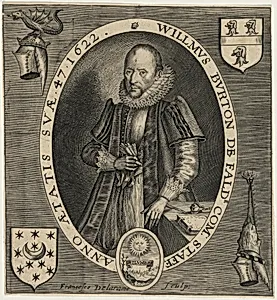
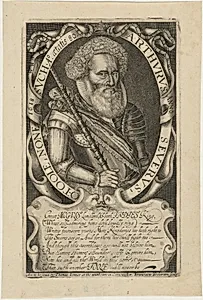
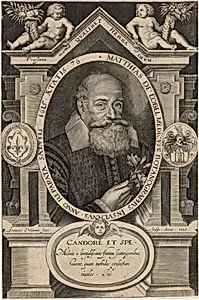
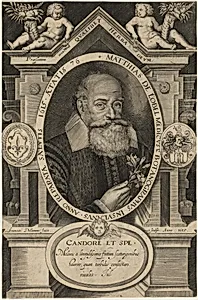
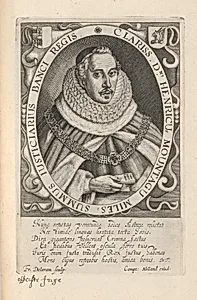
Little is known of Delaram's early life, which remains sparsely documented, though he may have been born in Flanders and possibly trained under the engraver Cornelis Boel, who worked on the King James Bible illustrations in 1611. He operated as a contemporary of fellow engravers Renold Elstrack and the van de Passe family, reflecting a strong Flemish influence evident in the lively, cherubic motifs framing some of his compositions. Delaram's style excelled in conveying character, particularly in male portraits drawn from life—such as those of botanist Matthias de Lobel (1615) and poet George Wither—demonstrating a vital energy and technical precision, though his depictions of court ladies were sometimes less assured.
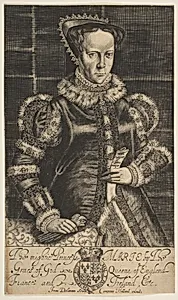
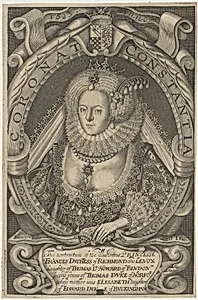
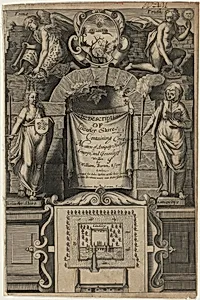
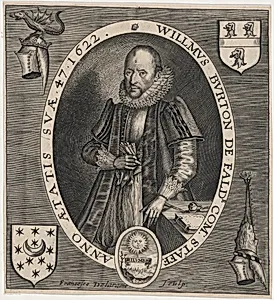
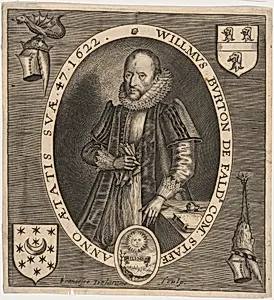
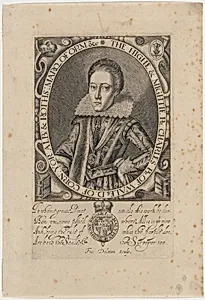
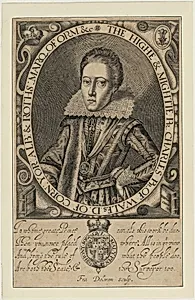
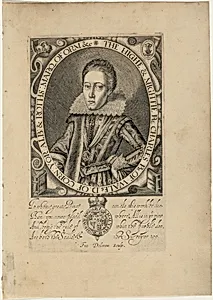
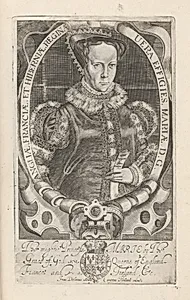
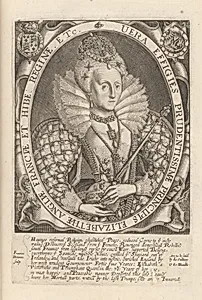
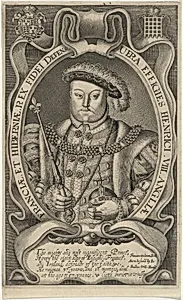
Among his major works are engravings of English royalty, including Queen Elizabeth I after Nicholas Hilliard (published 1625), Queen Mary I (c. 1600–1627), King James I (1641), and the young Charles I as Prince of Wales (published 1616). He also produced noble portraits like Henry Percy, 9th Earl of Northumberland; Henry Montagu, 1st Earl of Manchester (c. 1616–1620); and Sir Thomas Gresham, alongside book frontispieces for William Camden's *Historie* and William Burton's *Description of Leicestershire* (1622). The National Gallery of Art holds 55 of his engravings, underscoring his productivity.
Delaram's legacy endures in the preservation of Jacobean visual history, his prints serving as vital records of an era's key figures and disseminating elite imagery to a wider audience. Though his personal life eludes full reconstruction, his technical skill and volume of work established him as a cornerstone of early English engraving, influencing subsequent printmakers in the transition from manuscript to printed culture.