Ctrl K
1745–1812
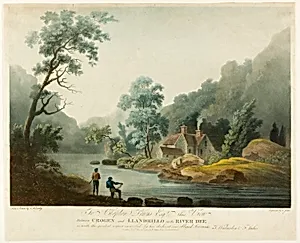
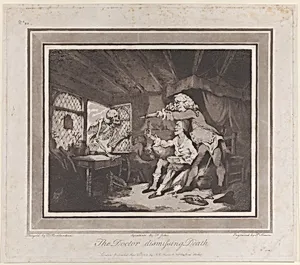
Francis Jukes was born in 1745 in Martley, Worcestershire, and became one of England’s most prolific engravers and publishers of the late eighteenth and early nineteenth centuries. He began his career as a topographical painter before turning to etching and line engraving. He then mastered aquatint, a tonal printmaking process he learnt from the watercolourist Paul Sandby, becoming one of the earliest British specialists in the medium and employing it from at least 1777. Sandby and Jukes collaborated from 1774, notably on Sandby’s *A New Drawing Book* of 1779.
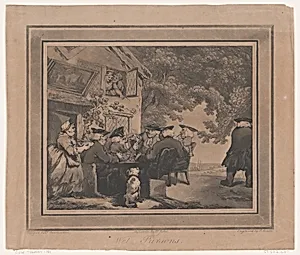
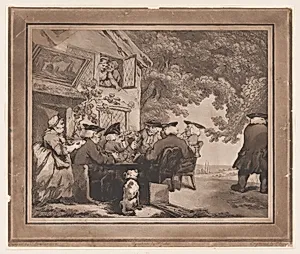
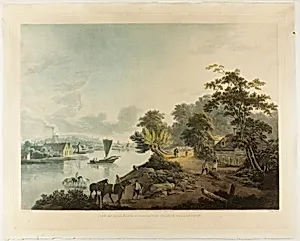
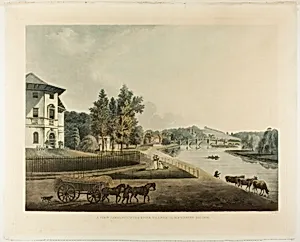
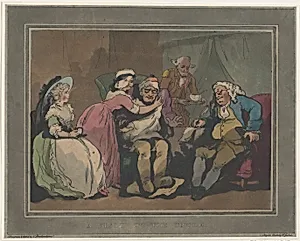
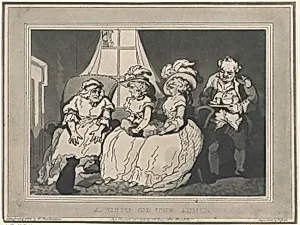
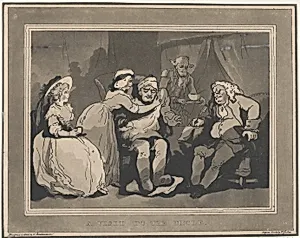
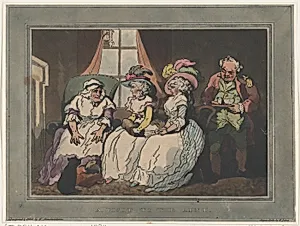
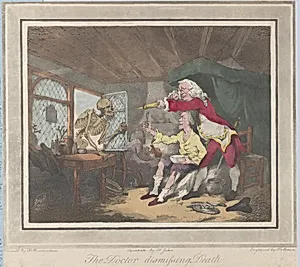
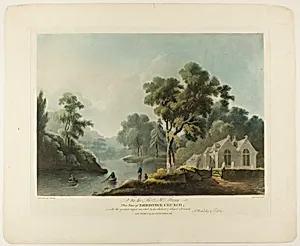
Working from various London addresses, including Howland Street, Jukes produced an extensive body of topographical, marine, sporting and rural prints, the majority executed in aquatint to capture atmospheric landscape effects. He collaborated with many of the period’s leading illustrators, among them Valentine Green, Robert Pollard, Thomas Rowlandson, Sawrey Gilpin, Edward Dayes and Charles Ansell. His subjects ranged from English and Welsh scenery to views drawn from Captain Cook’s Pacific voyages and even transatlantic landmarks.
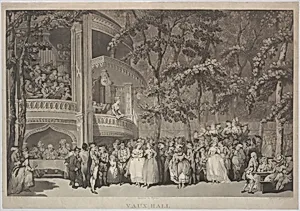
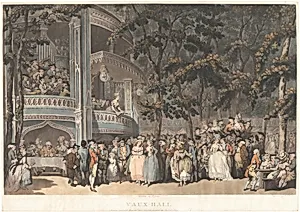
Among his best-known plates are the 1785 aquatint of Vauxhall Gardens after Rowlandson, the 1784 series *Life and Death of a Racehorse* after Ansell, *The Pytchley Hunt* after Charles Loraine Smith, Walmsley’s *Views in North Wales* of the 1790s, and the circa-1800 aquatint of Mount Vernon after Alexander Robertson. He also recorded contemporary events such as the 1786 attempt on George III’s life and the trial of Warren Hastings.
Jukes died in London in 1812; contemporary reports attributed his final illness to the corrosive fumes of the aquatint process. His large and varied output remains highly collectable, and he is recognised as a pioneer who helped establish aquatint as a major vehicle for British landscape and topographical printmaking.