Ctrl K
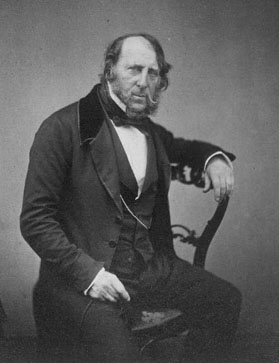
1792–1878
George Cruikshank (1792–1878) was born in London on 27 September 1792, the son of Scottish caricaturist Isaac Cruikshank and Mary MacNaughton. His older brother, Isaac Robert Cruikshank, was also a caricaturist and illustrator, while his sister Eliza worked as a designer. From a young age, Cruikshank assisted his father in the studio, contributing titles, backgrounds, and lettering to cartoons by age thirteen. He studied under Isaac Cruikshank, his principal teacher and a skilled etcher and printmaker, receiving no formal academy training despite brief attempts at the Royal Academy.
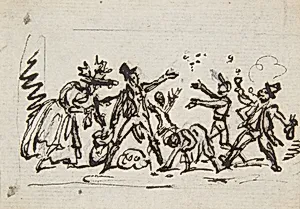
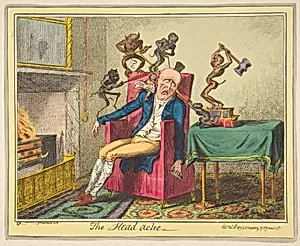
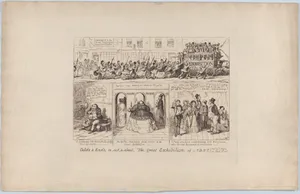
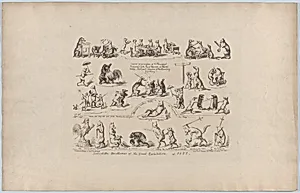
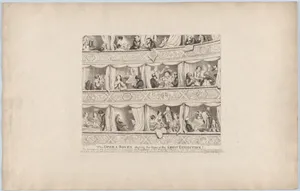
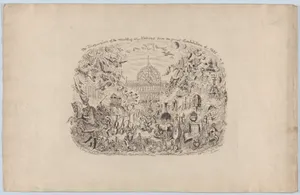
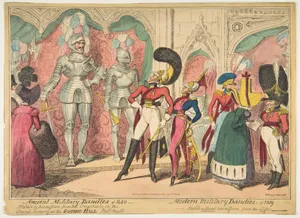
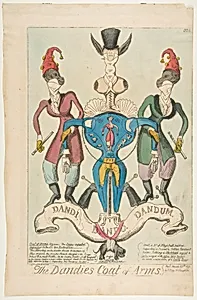
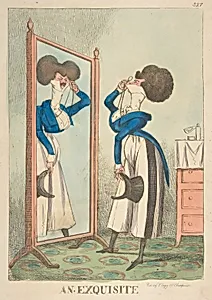
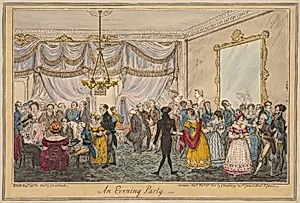
Cruikshank emerged as a leading caricaturist in the tradition of James Gillray, Thomas Rowlandson, and William Hogarth—earning him the title of "modern Hogarth." Influenced by these satirists, whom he visited (even completing plates for the blind Gillray), he excelled in etching political and social caricatures that lampooned all parties with impartial bite, patriotic fervor, and grotesque humor. Early masterpieces include etchings for *The Scourge* (1811–1816), *Pierce Egan's Life in London* (1821), *Points of Humour* (1823–1824), and the first English edition of *Grimm's Popular Stories* (1824–1826). His dynamic crowd scenes, inventive fertility, and command of light and shadow brought Hogarthian moral intensity to Regency vices.
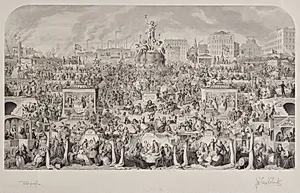
In the 1830s, Cruikshank's book illustrations reached new heights through collaborations with Charles Dickens, including *Sketches by Boz* (1836), *Oliver Twist* (1838), and *Memoirs of Joseph Grimaldi* (1838). He edited and illustrated *Comic Almanack* (1835–1853) and pioneered sequential narratives akin to comics in works like *The Comic Alphabet* (1836). Later, as a fervent temperance advocate, he produced iconic series such as *The Bottle* (1847) and *The Drunkard's Children* (1848), culminating in the monumental oil *The Worship of Bacchus* (1860–1862, Tate collection). Over his career, he created nearly 10,000 prints, influencing comics, illustration, and moral satire worldwide. Reburied in St. Paul's Cathedral, Cruikshank's legacy endures in major collections, including 186 artworks in this virtual museum.