Ctrl K
1857–1918
**George Edgar Ohr (1857–1918)** was an American ceramic artist renowned as the self-proclaimed “Mad Potter of Biloxi.” Born in Biloxi, Mississippi, to German immigrant parents—his father a blacksmith and his mother a grocer—he grew up in a working-class environment with little formal education.
Ohr apprenticed under Joseph Fortune Meyer, a family friend and potter associated with the New Orleans Art Pottery and later Newcomb College. He began this training around 1879 after earlier work as a ship chandler. Through Meyer and travels to fairs and expositions, Ohr encountered the Arts and Crafts movement, which shaped his approach. He established the Biloxi Art Pottery and experimented with wheel-thrown forms, pushing beyond utilitarian wares.
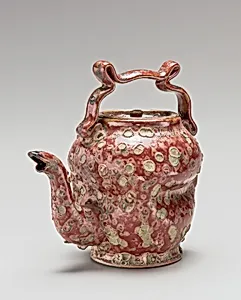
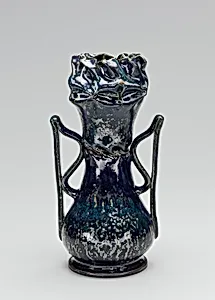
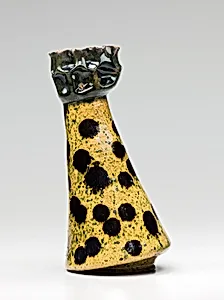
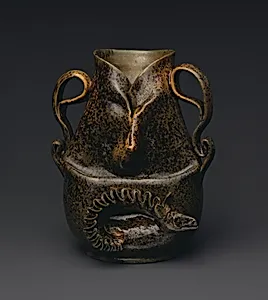
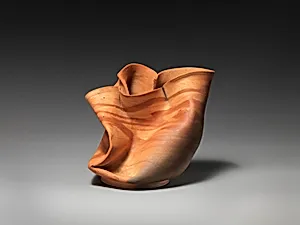
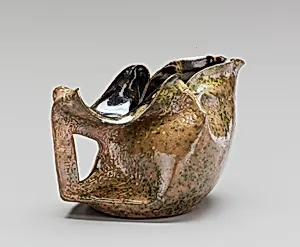
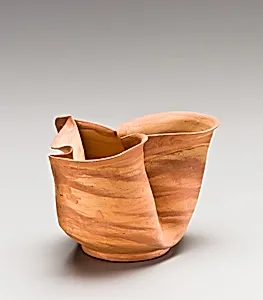
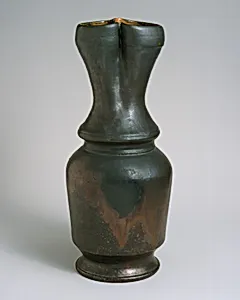
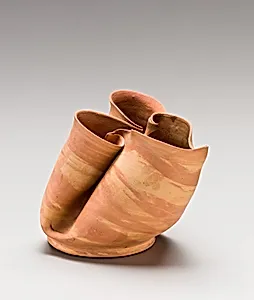
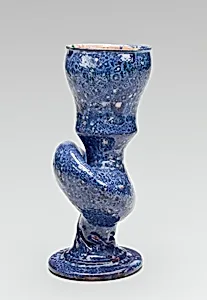
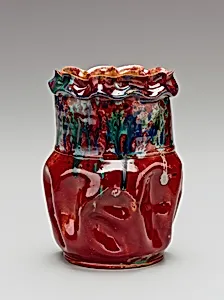
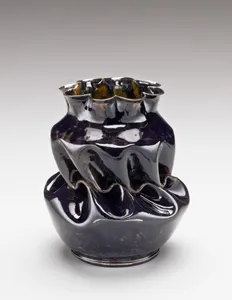
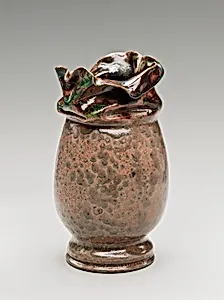
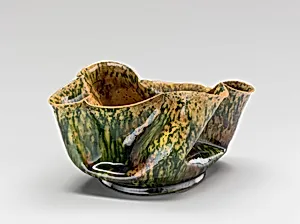
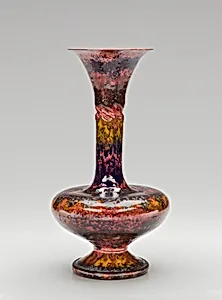
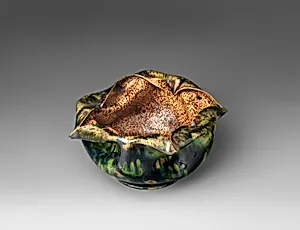
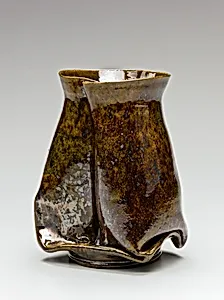
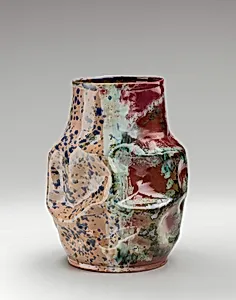
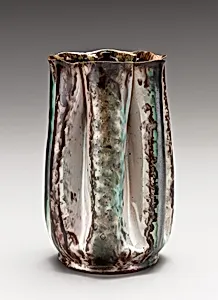
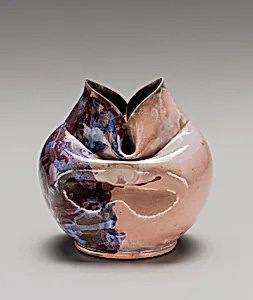
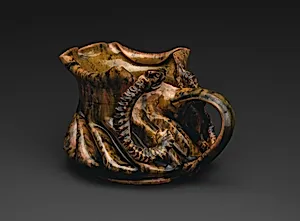
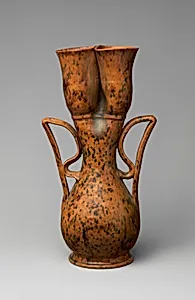
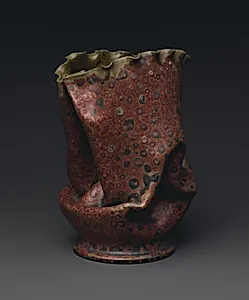
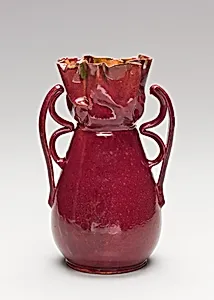
His mature style featured wildly twisted, crumpled, and pinched vessels with ultra-thin walls and vibrant, often experimental glazes. Ohr produced thousands of unique pieces, each proudly signed and distinct, embodying an early form of abstract expressionism in ceramics decades ahead of its time. A devastating studio fire in 1894 marked a turning point, after which his work grew even more daring and individualistic.
Though largely unappreciated during his lifetime—he died in 1918—Ohr’s visionary pottery was rediscovered in the mid-20th century, earning him recognition as America’s first great art potter and a pioneer of modern ceramics. Today his works reside in major collections, and the Ohr-O’Keefe Museum of Art in Biloxi celebrates his eccentric genius and enduring legacy.