Ctrl K
1641–1711
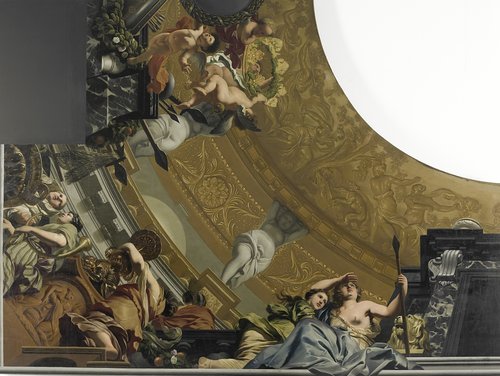
Gerard de Lairesse (1641–1711) was a leading figure of the Dutch Golden Age, renowned as both a painter and art theorist whose classical ideals bridged the dramatic realism of Rembrandt with the refined elegance of French academism. Born on September 11, 1641, in Liège, he was the second son of the painter Renier de Lairesse (1597–1667). De Lairesse received his initial training under his father before studying from 1655 with Bertholet Flémalle, a prominent Baroque artist. In 1660, he worked in Cologne and Aix-la-Chapelle (Aachen) for Maximilian Henry of Bavaria, honing his skills in historical and allegorical subjects. By 1664, he had settled in the Netherlands, working briefly in Utrecht in 1665 before establishing himself in Amsterdam from 1667 until his death in 1711.
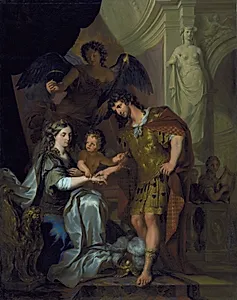
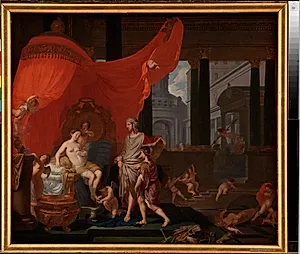
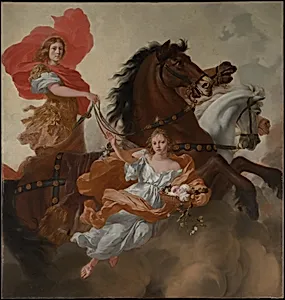
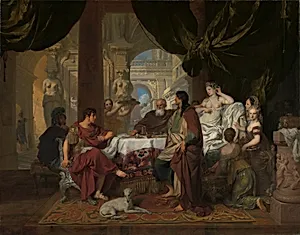
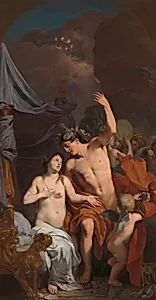
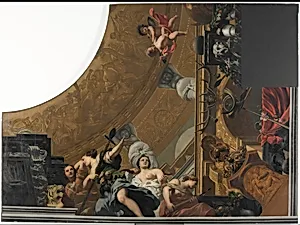
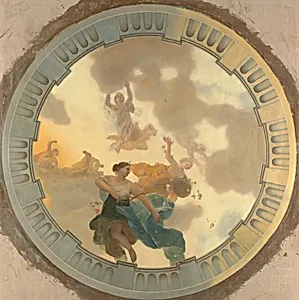
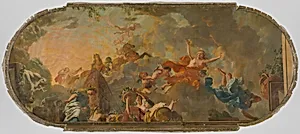
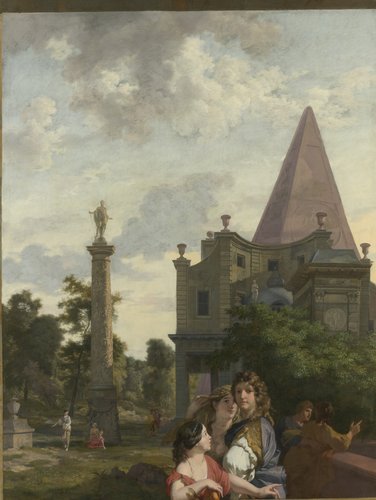
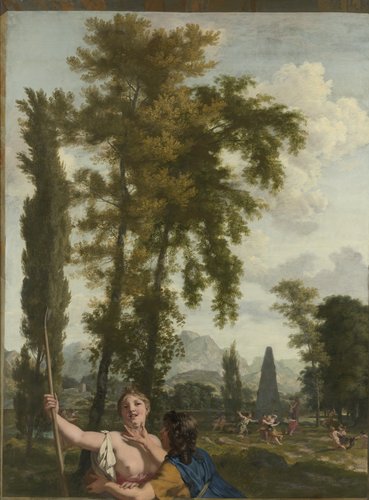
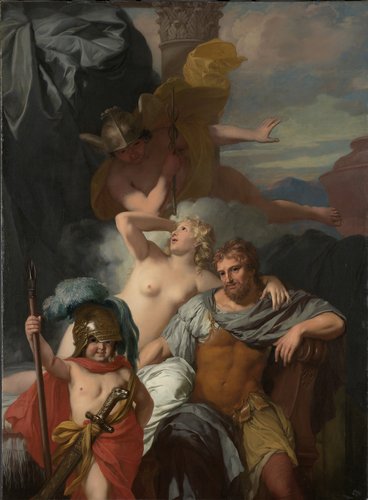
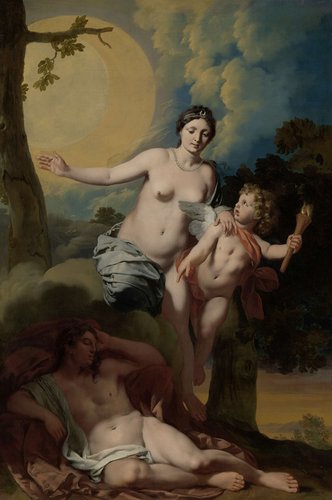
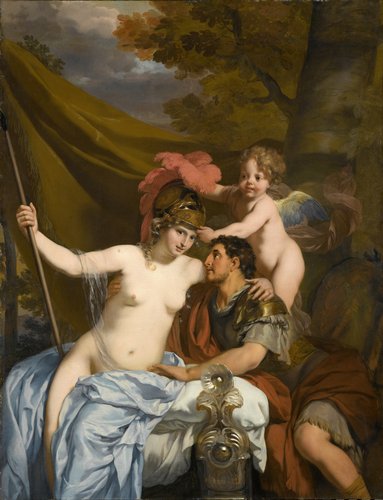
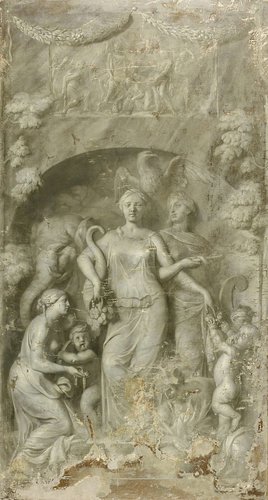
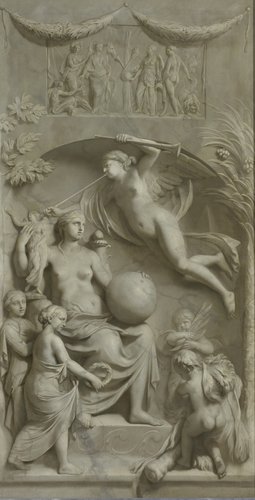
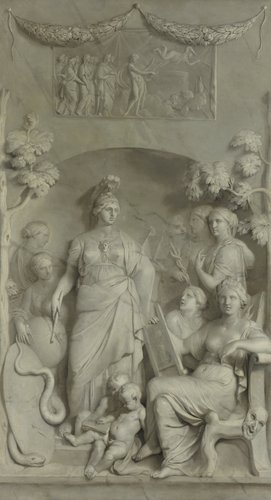
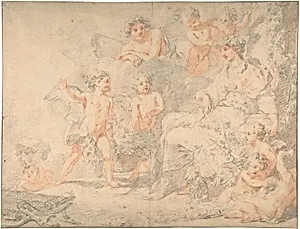
De Lairesse's artistic style championed French classicism, drawing inspiration from Cesare Ripa's iconographic manual *Iconologia*, as well as painters like Charles Le Brun and Simon Vouet, and dramatists such as Pierre Corneille and Jean Racine. He rejected the earthy tenebrism of Rembrandt—whose death in 1669 elevated de Lairesse's prominence—for smooth, idealized forms, balanced compositions, and luminous clarity, aligning with the Utrecht school tradition while working in Amsterdam's vibrant scene. A polymath, he excelled in music, poetry, and theater, infusing his art with rhetorical grandeur and moral allegory. His paintings, often featuring mythological and biblical themes, graced palaces and civic buildings, with 29 known works in major collections today, including history pieces that exemplify his polished, Rubensian vigor tempered by Poussin-esque restraint.
De Lairesse's enduring legacy rests on his theoretical writings, which codified his vision and profoundly shaped 18th-century European art. *Grondlegginge ter Teekenkonst* (Foundation of Drawing, 1701) emphasized geometry and proportion, while the expansive *Groot Schilderboek* (Great Book of Painting, 1707) offered comprehensive guidance on anatomy, perspective, and color—treatises translated widely and consulted by artists from the Rococo to Neoclassicism. Blind in later years from syphilis, he dictated these masterpieces from his Amsterdam home, cementing his role as a tastemaker who elevated Dutch art toward international classicism. De Lairesse's influence lingered, inspiring generations to prioritize intellectual rigor and beauty over raw emotion.