Ctrl K
1652–1726
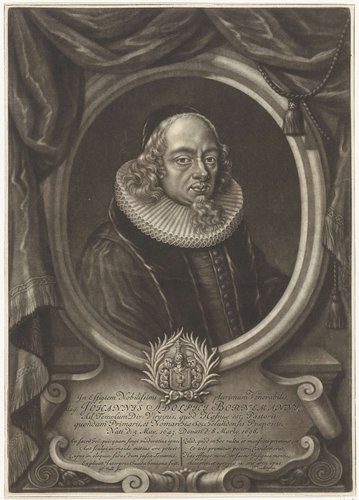
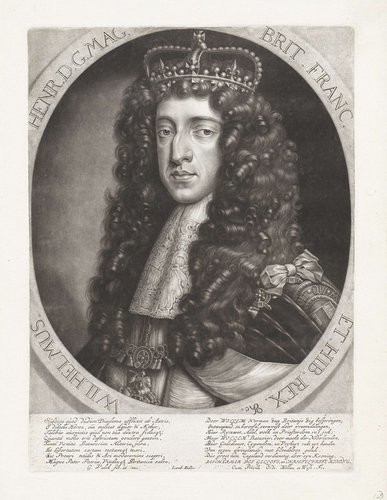
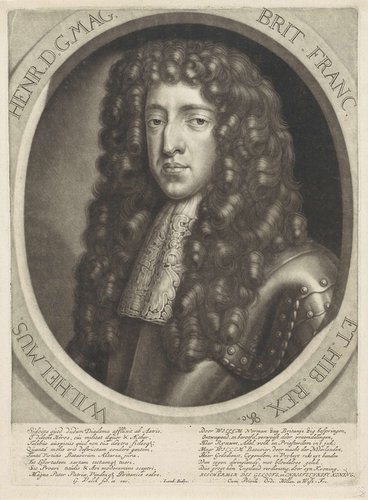
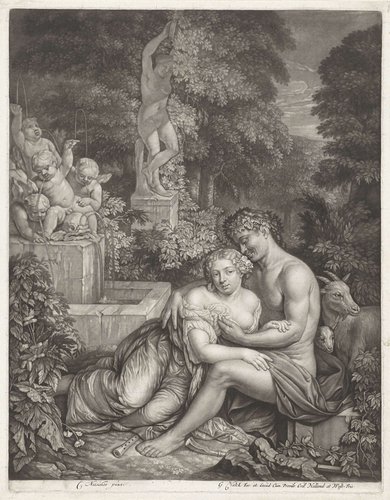
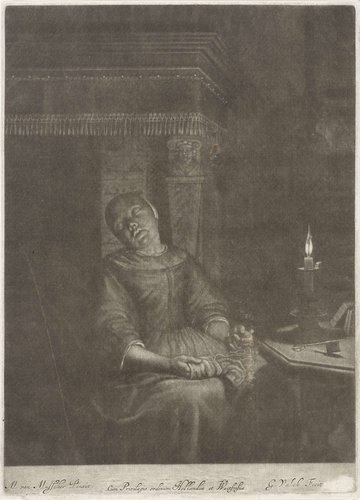
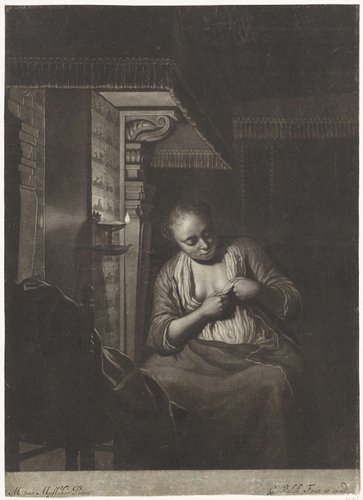
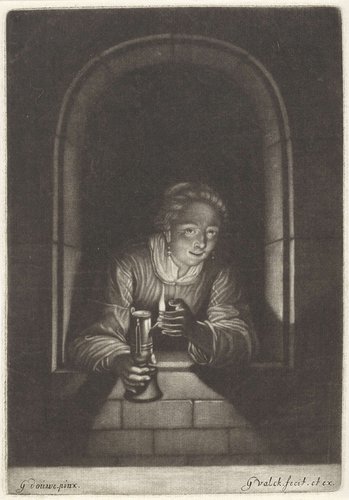
Gerard Valck (1652–1726) was a Dutch engraver, publisher, and cartographer whose career bridged the 17th-century Dutch Golden Age and the 18th-century Enlightenment. Born on September 30, 1652, in Amsterdam to a silversmith father, and dying on October 21, 1726, Valck played a crucial role in introducing and developing mezzotint printmaking in England while also establishing a significant publishing enterprise in Amsterdam. His multifaceted career encompassed creating refined portrait mezzotints primarily after paintings by Sir Peter Lely, publishing atlases and maps in collaboration with his brother-in-law Pieter Schenk and his son Leonardus Valck, and producing diverse print series depicting Dutch architecture, trades, and natural history subjects. Valck's English period (1672–circa 1680) saw him working closely with his teacher and brother-in-law Abraham Blooteling, creating mezzotint portraits of English nobility that helped establish the technique in Britain, while his later Amsterdam publishing activities disseminated geographical and topographical knowledge throughout Europe.
Gerard Valck was born on September 30, 1652, in Amsterdam to an Amsterdam silversmith. Growing up in a craftsman's household provided exposure to precise metalworking skills that would prove valuable for printmaking, which required similar manual dexterity and attention to detail.
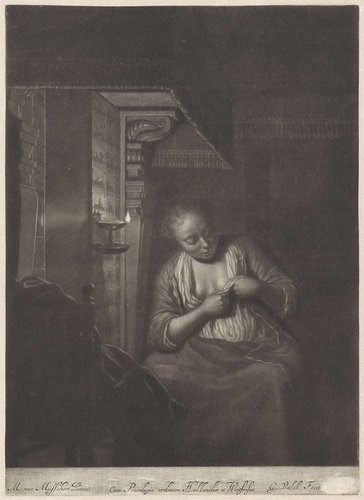
Valck became a student of Abraham Blooteling (1640–1690), one of the pioneers of mezzotint printmaking in the Netherlands. This apprenticeship proved crucial, as Blooteling was among the first Dutch artists to master mezzotint, a relatively new technique offering unprecedented tonal subtlety.
The relationship between teacher and student deepened when Valck married Blooteling's sister, creating family ties that would influence both their personal lives and professional collaboration.
In 1672, Valck traveled to London with Blooteling, arriving during a momentous period in English history. Charles II's reign (1660–1685) saw flourishing court culture and patronage of the arts, creating opportunities for skilled printmakers.
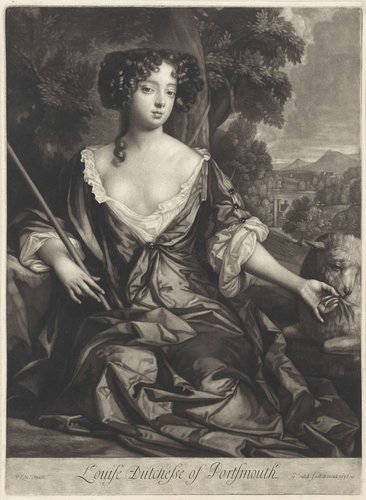
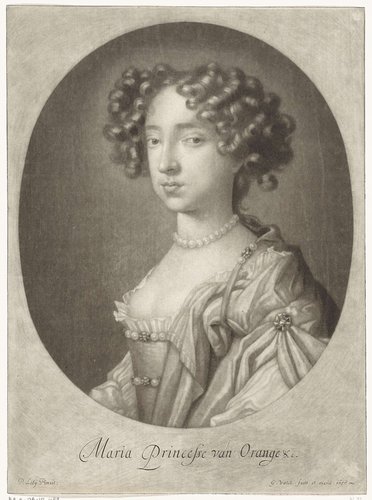
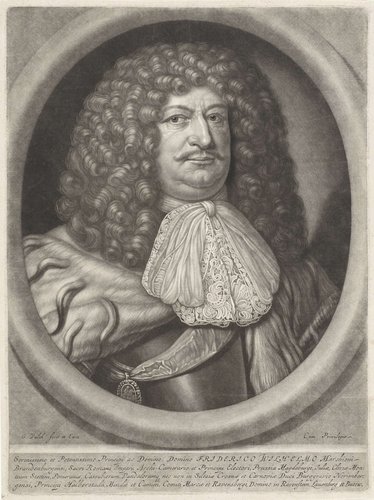
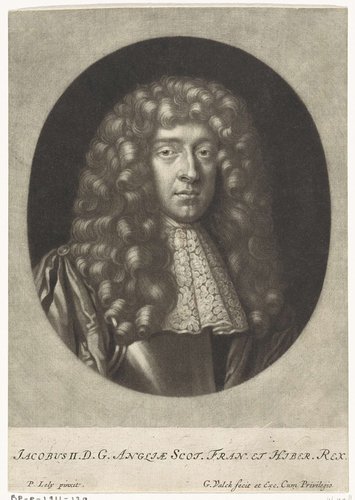
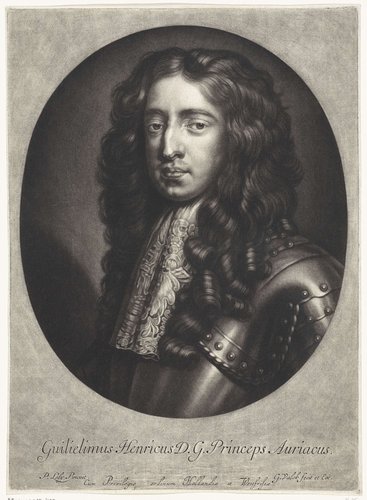
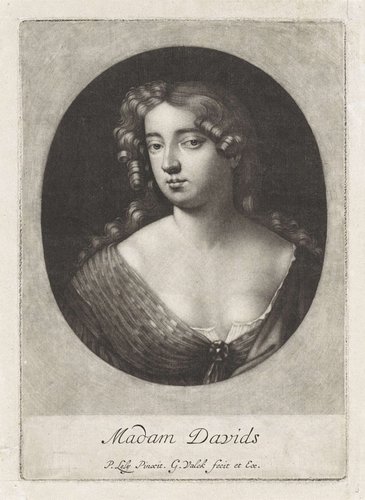
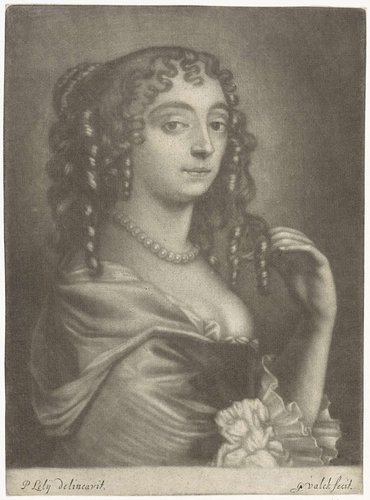
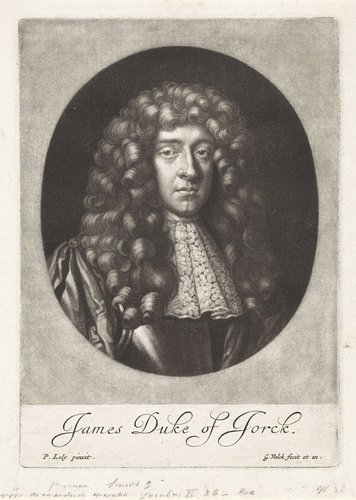
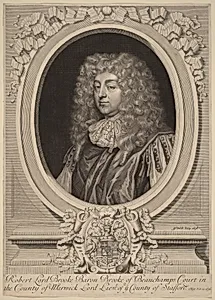
Valck may have remained in London until at least 1680, working extensively during these years. His primary focus was creating portrait mezzotints, many based on paintings by Sir Peter Lely (1618–1680), the dominant court painter of Restoration England. Lely's elegant portraits of English nobility provided ideal subjects for mezzotint's subtle tonal capabilities.
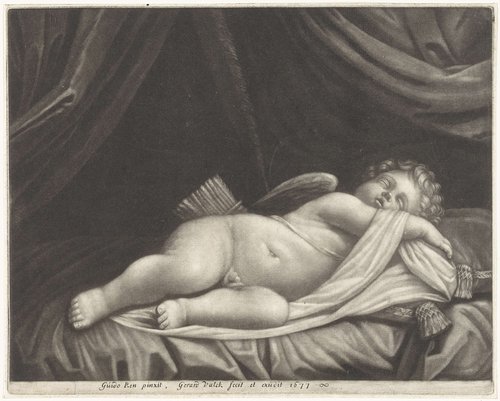
Valck's earliest dated mezzotint, "Sleeping Cupid" (1677), was created after a painting by Guido Reni, demonstrating his ability to work from both contemporary and earlier Italian Baroque sources.
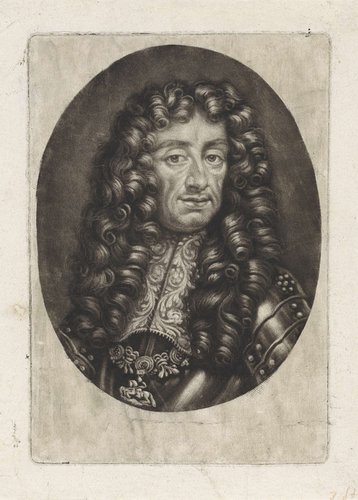
Working frequently in collaboration with Blooteling, Valck helped establish mezzotint in England. Blooteling had come into contact with court painter Peter Lely, and together they proved important figures in introducing and developing the mezzotint technique in Britain. Their spectacularly large portraits of Charles II, James Duke of York, and James Scott Duke of Monmouth stood at the start of an English mezzotint tradition that would reach its peak in the 18th century.
After Blooteling's death in 1690, Valck acquired his teacher's plates and republished many of them, ensuring the continued circulation of Blooteling's work while adding to his own publishing inventory.
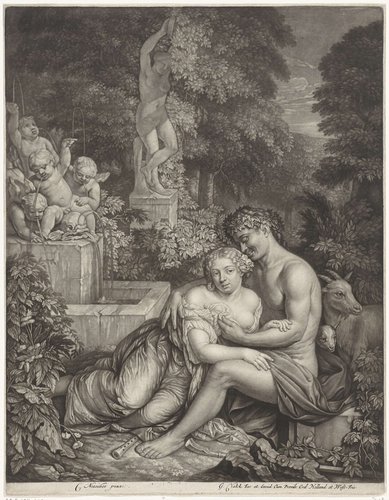
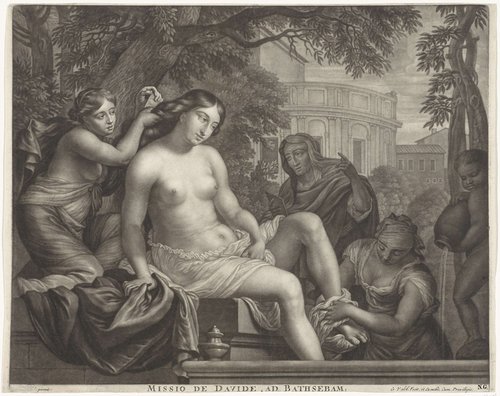
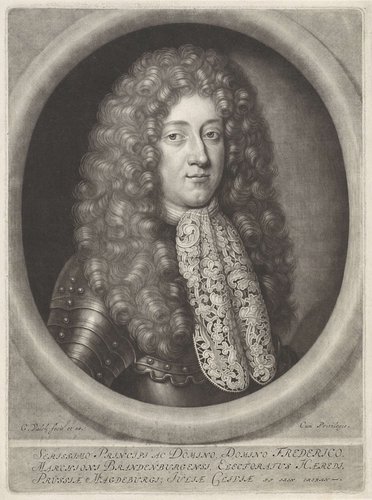
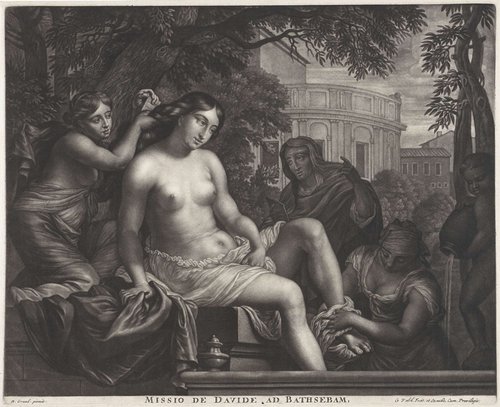
Returning to Amsterdam, Valck established a significant publishing business. His 67 engravings and mezzotints were mostly based on designs by other artists including Peter Lely, Gérard de Lairesse, and Philipp Tidemann, and were often published by Valck himself.
Valck collaborated extensively with his brother-in-law Pieter Schenk and later with his own son Leonardus Valck. Together they published atlases and maps, contributing to the important Dutch tradition of cartography and geographical publishing that had flourished since the 16th century.
Beyond maps and atlases, Valck's publishing enterprise produced diverse print series including views of houses belonging to the Orange-Nassau family (documenting aristocratic architecture), series depicting trades and professions (valuable records of 18th-century occupations), fountains (decorative architectural elements), chimneys (architectural details), and birds (natural history subjects).
This wide-ranging publishing activity demonstrated Valck's entrepreneurial acumen and responsiveness to various market demands, from educational materials to decorative prints to topographical documentation.
Gerard Valck died on October 21, 1726, in Amsterdam, having built a publishing enterprise that continued through his son's work. His dual legacy encompasses both his artistic achievements in mezzotint—particularly his role in establishing the technique in England—and his contributions to Dutch publishing of maps, topographical views, and diverse print subjects.
Artheon Research Team
Last updated: 2025-11-09
Biography length: ~1,180 words