Ctrl K

1755–1828
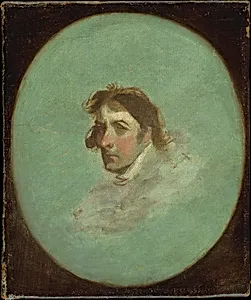
Gilbert Stuart (1755–1828) was born on December 3, 1755, in Saunderstown, Rhode Island. He received his first painting instruction from local portraitist Samuel King, then studied under Scottish artist Cosmo Alexander who brought him to Scotland in 1771. After Alexander died, Stuart returned to Newport before sailing to London in 1775, where he entered the studio of Benjamin West for approximately six years.
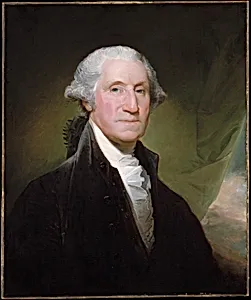
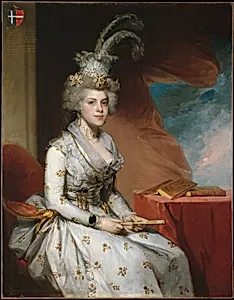
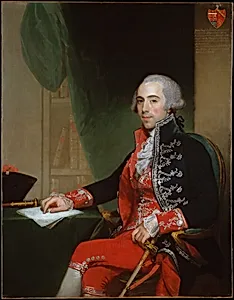
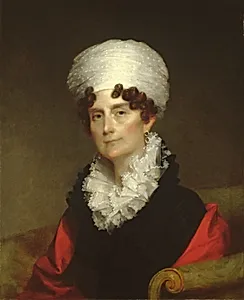
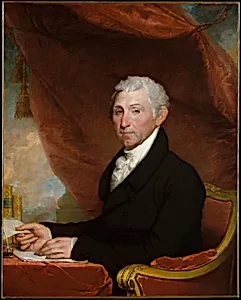
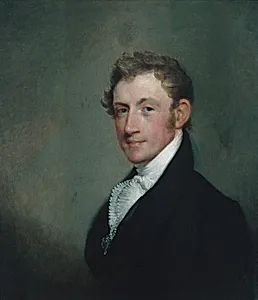
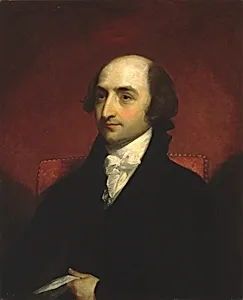
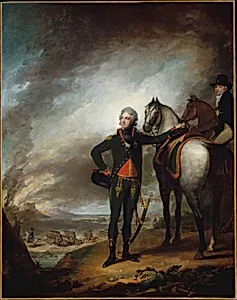
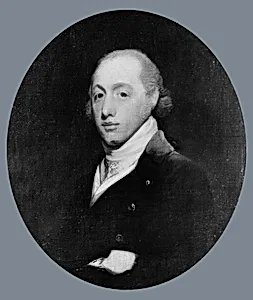
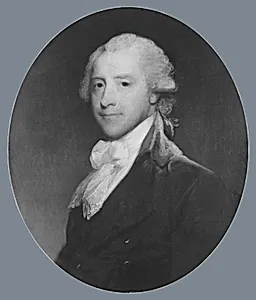
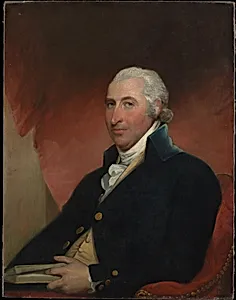
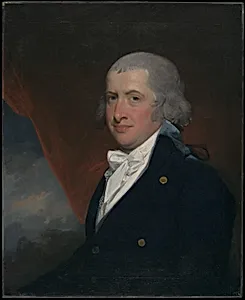
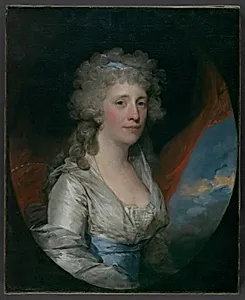
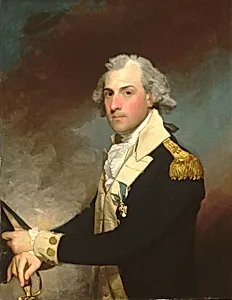
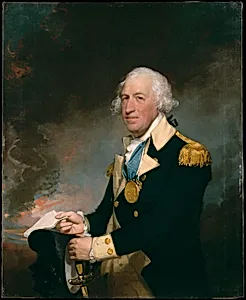
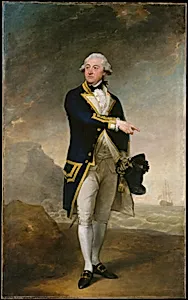
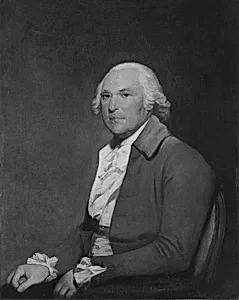
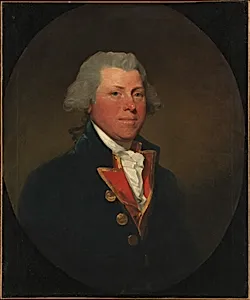
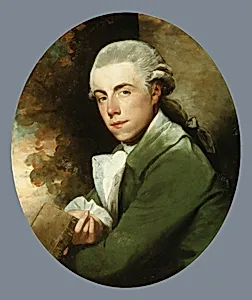
Stuart's artistic signature was his remarkable ability to render flesh convincingly — warm, translucent skin that seemed almost to breathe — combined with psychological penetration that brought his sitters vividly to life. His breakthrough came with "The Skater" (1782), a daring full-length portrait of William Grant that caused a sensation in London. Financial difficulties drove him first to Dublin in 1787, then back to America in 1793.
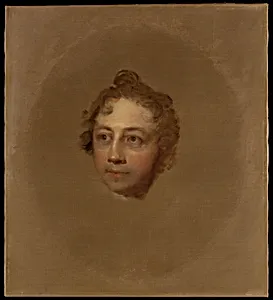
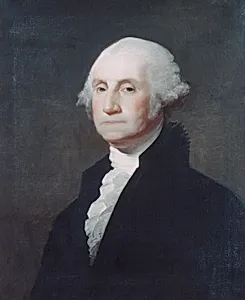
It was in Philadelphia that Stuart secured his most famous commission: a series of portraits of George Washington. The three principal types — the Vaughan (1795), the Lansdowne (1796), and the Athenaeum (1796) — became defining images of the first president. The unfinished Athenaeum portrait became the basis for Washington's face on the American one-dollar bill. Stuart ultimately painted each of the first six presidents from life.
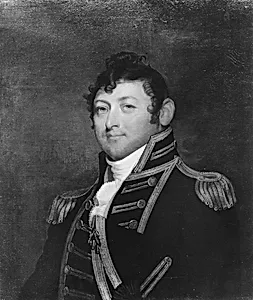
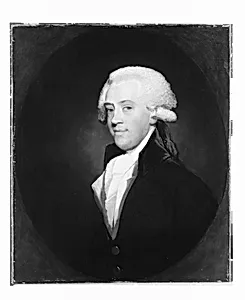
Over the course of his career he produced approximately 1,000 portraits, shaping how subsequent generations would visualize the leaders of the early American republic. He elevated portraiture from a provincial craft to a respected profession in the United States, and counted John Vanderlyn and Thomas Sully among the artists he influenced.