Ctrl K
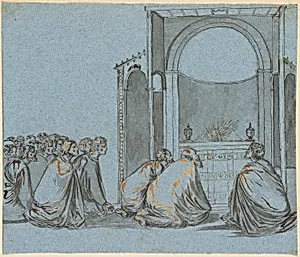
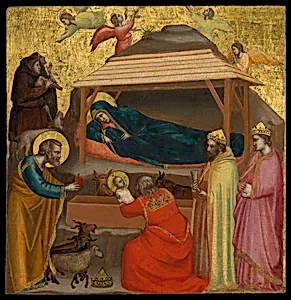
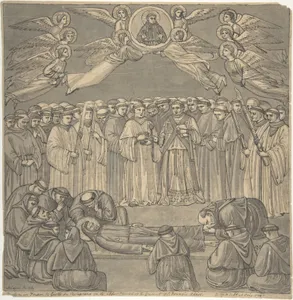
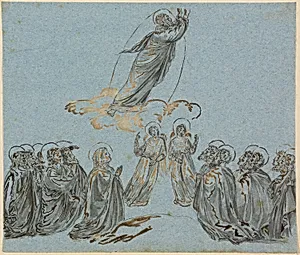
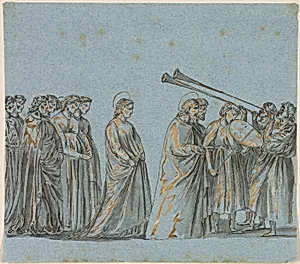
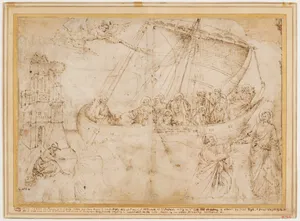
**Giotto di Bondone (c. 1267–1337)** was an Italian painter and architect from Florence whose groundbreaking work marked a pivotal shift in Western art during the Late Middle Ages. Born near Florence, he is widely regarded as the first major figure in the Proto-Renaissance, bridging Gothic traditions with emerging naturalism.
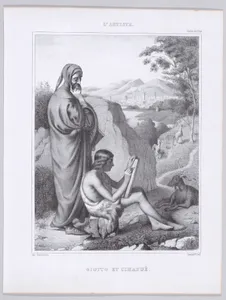
Giotto studied under the prominent Florentine painter Cimabue, whose influence helped shape his early development, though legends of his precocious talent—such as drawing lifelike sheep as a boy—have long circulated. He worked primarily in the Gothic and Proto-Renaissance styles, rejecting the flat, stylized Byzantine conventions of his time in favor of figures grounded in observation of nature, with solid three-dimensional forms, expressive gestures, and convincing spatial depth.
His masterpiece is the fresco cycle in the Scrovegni Chapel (also known as the Arena Chapel) in Padua, completed around 1305. This extensive series depicts the lives of the Virgin Mary and Christ across dozens of scenes, renowned for its emotional intensity, innovative use of perspective, and narrative clarity. Giotto also designed the campanile (bell tower) of Florence Cathedral and executed commissions across Italy, including in Rome, Assisi, and Naples.
Giotto’s legacy endures as the artist who “drew all his figures and their postures according to nature,” as noted by his contemporary Giovanni Villani, laying the foundation for the great Italian masters of the Renaissance. His emphasis on human emotion and realistic representation profoundly influenced subsequent generations, earning him recognition as the father of European painting.