Ctrl K
1609–1664
Giovanni Benedetto Castiglione, known as Il Grechetto, was baptized on March 23, 1609, in Genoa and died on May 5, 1664, in Mantua. Born into a large family, he collaborated closely with his brother Salvatore, an artist who shared his talents, and later taught his son Francesco, whose works were sometimes confused with his own. His parents placed him in the studio of Giovanni Battista Paggi, where he trained alongside Sinibaldo Scorza, absorbing lessons in drawing from nature, classical mythology, and idealized figures in a vibrant, open workshop environment. A passionate admirer of Anthony van Dyck, who visited Genoa in 1621, and Peter Paul Rubens, Castiglione developed an early fascination with northern influences amid the Genoese school's Mannerist traditions.
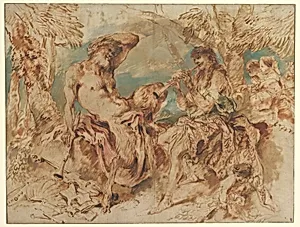
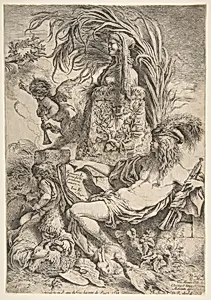
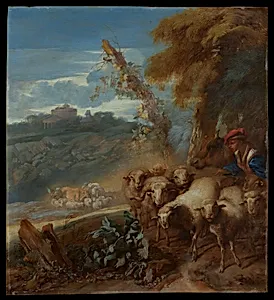
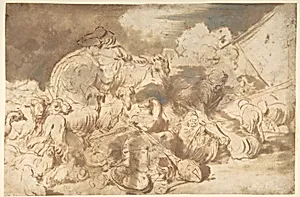
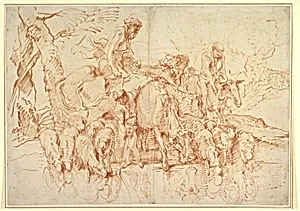
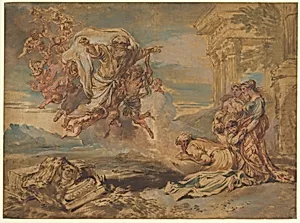
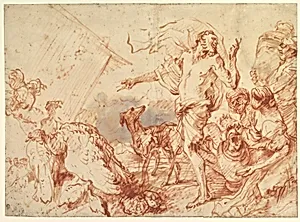
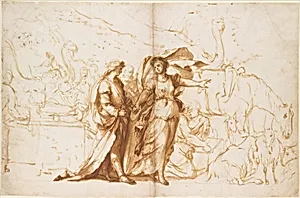
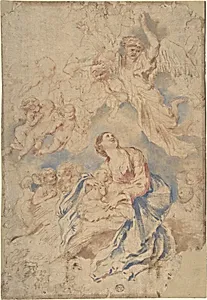
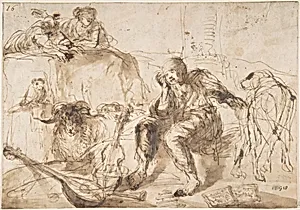
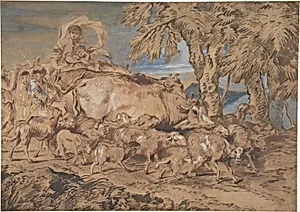
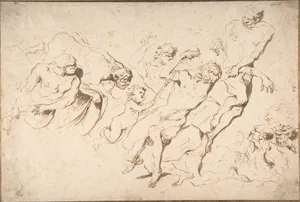
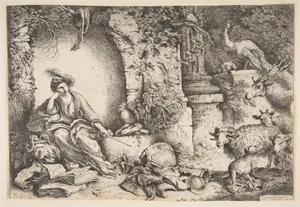
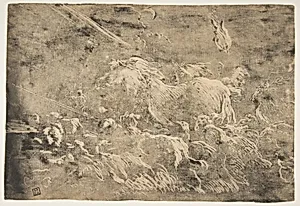
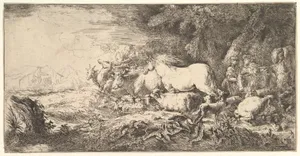
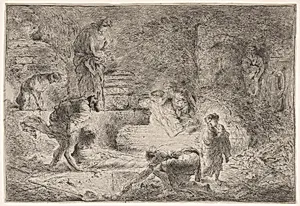
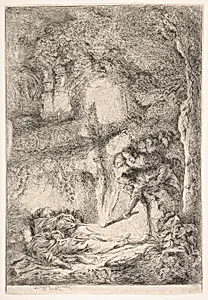
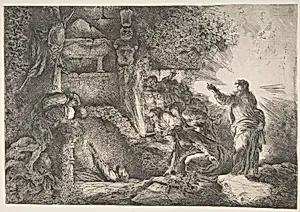
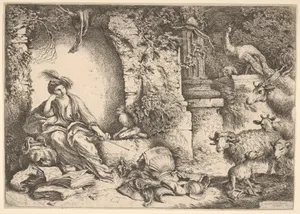
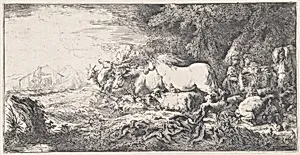
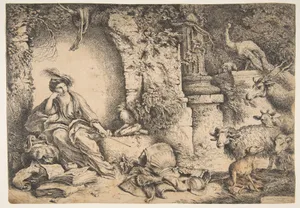
Working in the Genoese Baroque tradition, Castiglione excelled as a painter, draftsman, and printmaker, specializing in pastoral landscapes, Old Testament scenes featuring patriarchs and their animals, and vivid depictions of farm beasts that often dominated his compositions. His innovative techniques included pioneering monotype around 1642–1648—the only major printmaking method invented in Italy—and oil sketches on paper as autonomous artworks, blending dry brush, ink, and pigment for luminous, unfinished effects reminiscent of Rembrandt, earning him the moniker "the second Rembrandt." Key works include the etching *The Genius of Castiglione* (1648), a self-proclaimed tribute to his invention; *Circe Changing the Companions of Ulysses into Beasts* (etching, 1650–51); *Noah's Sacrifice after the Deluge* (1650–55); the celebrated *Nativity* or *Presepio* for Genoa's San Luca church (1645); and paintings like *The Adoration of the Shepherds* and *Jesus Clearing the Temple* in the Louvre.
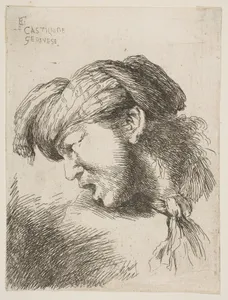
Castiglione's restless career took him from Genoa to Rome (1632–1645), Naples, Florence, and back, before he became court artist in Mantua in 1651 for Duke Carlo II Gonzaga. Despite a volatile life marked by legal troubles, gout, and brushes with violence, his etchings—over 70 produced, including exotic "Oriental heads"—and animal studies influenced followers like Anton Maria Vassallo and engravers across Europe. Today, with dozens of works in collections like the National Gallery of Art, Castiglione endures as a technical virtuoso whose pastoral visions and printmaking genius bridged Genoese naturalism and northern drama, revitalizing Baroque art's emotional depth.