Ctrl K
1473–1531
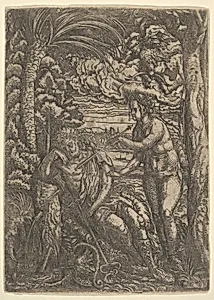
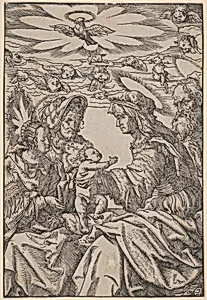
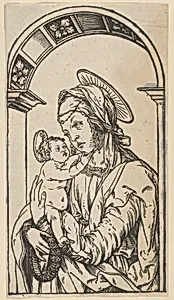
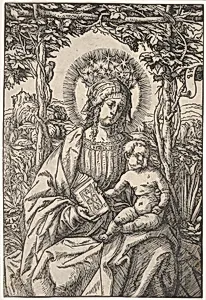
Hans Burgkmair the Elder (1473–1531) was a German painter and printmaker who became one of the leading artists of the Renaissance in Augsburg. Born into a family of painters — his father, Thoman Burgkmair, was a respected artist — he likely received his initial training in his father's workshop. He may also have studied with Martin Schongauer in Colmar, and a probable visit to Italy around 1507 exposed him to Venetian painting and the Italian Renaissance.
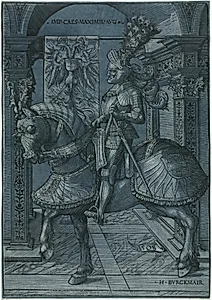
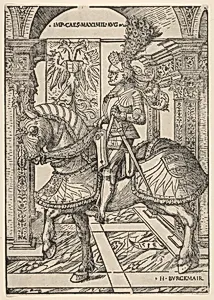
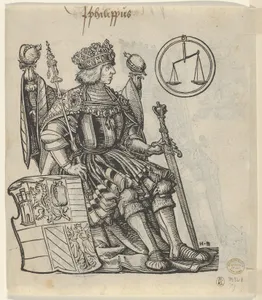
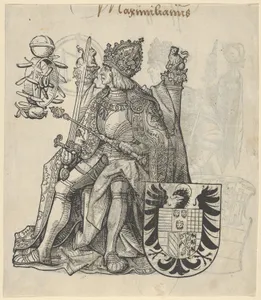
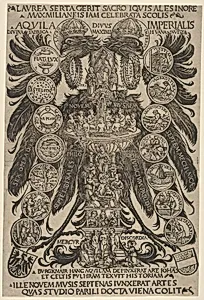
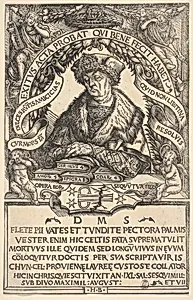
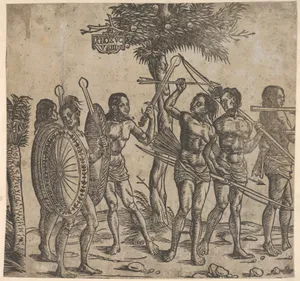
Burgkmair was a central figure at the court of Emperor Maximilian I, contributing extensively to the Emperor's ambitious artistic programs. He was a primary designer, alongside Albrecht Dürer, of the monumental "Triumphal Procession" woodcut series, one of the largest and most elaborate print projects of the Renaissance. His designs for this and other imperial commissions demonstrate his mastery of complex multi-figure compositions and his ability to combine Northern European detail with Italian Renaissance grandeur.
As a painter, Burgkmair produced accomplished altarpieces, portraits, and devotional works that reflect the transition from late Gothic to Renaissance styles in southern Germany. His paintings show an awareness of Italian perspective, classical architecture, and Venetian color that set them apart from the more purely Northern work of many contemporaries.
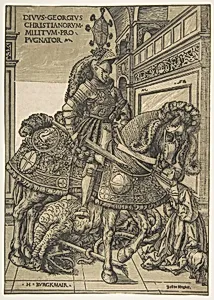
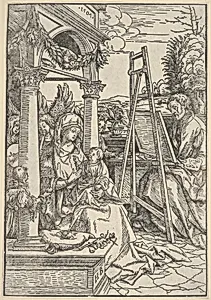
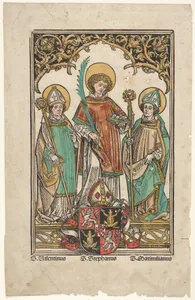
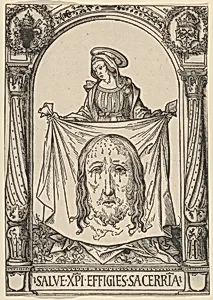
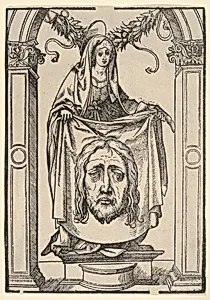
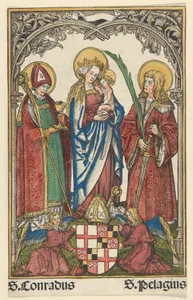
Burgkmair was also a pioneering experimenter in the technique of chiaroscuro woodcut, producing some of the earliest European color woodcuts using multiple blocks. His innovations in printmaking and his synthesis of Northern and Italian artistic traditions make him a significant figure in the German Renaissance. His paintings are held by the Alte Pinakothek in Munich, the Germanisches Nationalmuseum in Nuremberg, and the Kunsthistorisches Museum in Vienna.