Ctrl K
1502–1561
Heinrich Aldegrever, born in 1502 in Paderborn, Westphalia, to parents Herman and Katherine Trippenmeker—a family of clog-makers known by the dialect name Trippenmecker—emerged as a multifaceted artist in the German Renaissance. His early training remains undocumented, though he likely apprenticed in a Soest goldsmith's workshop after relocating there around 1525, where he joined the painters' guild between 1526 and 1527 and became a citizen in 1530. Aldegrever worked across media as a goldsmith—crafting silver seals for the Duke of Cleves in 1552—painter, and possibly stained-glass designer, with his son Christoph later praising these skills in a 1561 record; he even taught goldsmithing to Christoph. Among his few attributed paintings are the wings and predella of the Mary Altar in Soest's Wiesenkirche, depicting the Life of the Virgin around 1525–1526.
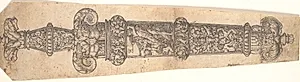
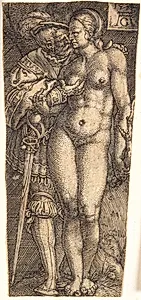
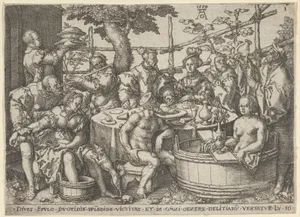
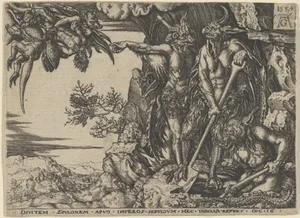
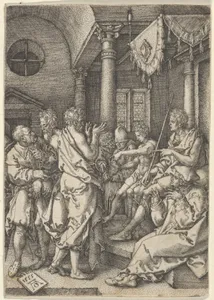
A leading figure among the "Little Masters"—alongside the Beham brothers and Georg Pencz—Aldegrever specialized in small-format engravings characterized by delicate, minute lines, attenuated figures, and agitated drapery, blending Northern precision with Italianate nudes via Marcantonio Raimondi. His monogram "AG" echoed Albrecht Dürer's, reflecting profound influence from the master, alongside Lucas van Leyden, Hans Holbein, and Antwerp Mannerists; nearly one-third of his output comprised ornamental designs for goldsmiths and crafts, prized as models into the seventeenth century.
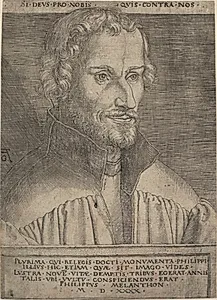
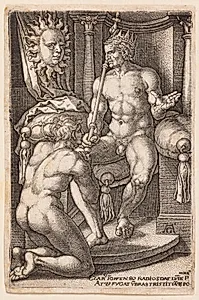
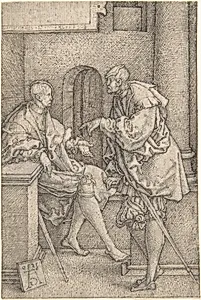
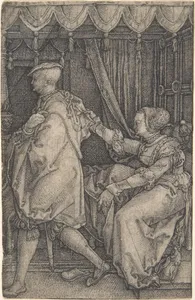
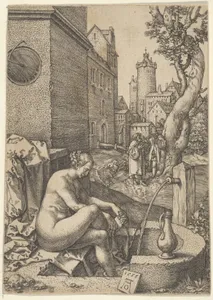
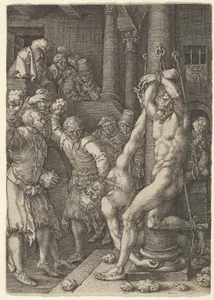
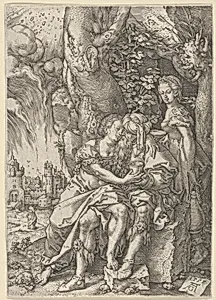
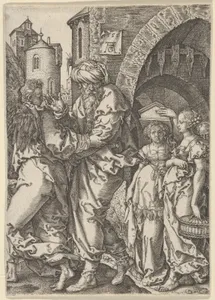
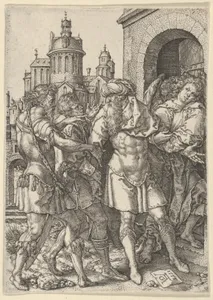
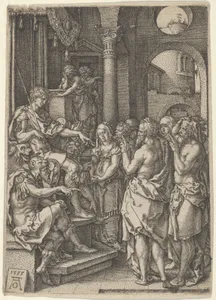
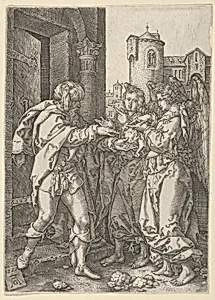
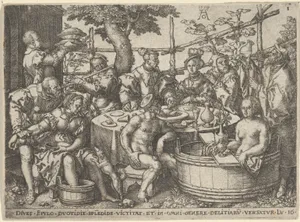
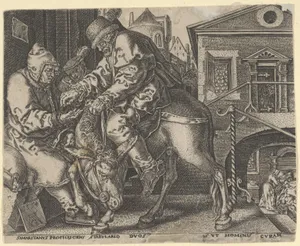
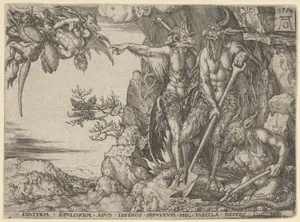
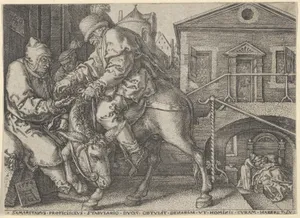
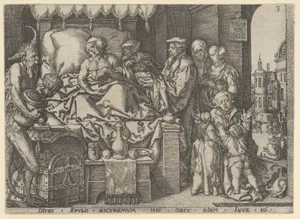
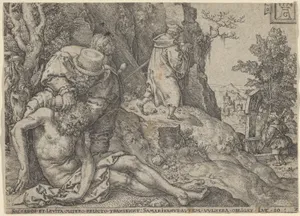
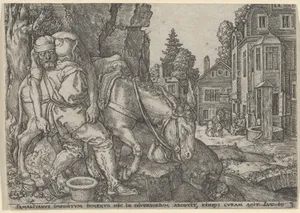
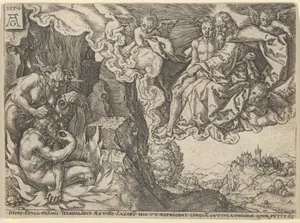
Over his career, Aldegrever produced around 300 engravings and woodcuts from his own designs, beginning in 1527: portraits of Reformation figures like Martin Luther and Philipp Melanchthon (after 1531), caricatures of Anabaptist leaders Jan van Leiden and Bernhard Knipperdolling (1535–1536), and his self-portrait (1537). Iconic series include the Large Wedding Dancers (1538 and 1551, twelve plates of festive processions), the Labors of Hercules (1549–1555, e.g., Hercules Slaying the Nemean Lion), the Story of Susanna (1555), Virtues and Vices, Power of Death (after Holbein), and biblical narratives like Lot and His Daughters or the Good Samaritan.
Aldegrever's fervent Lutheranism, embraced in 1531 amid Soest's Reformation, infused his satirical prints critiquing Catholic vices and sympathizing with radicals, securing his legacy as northern Germany's premier Renaissance engraver. He died in Soest between 1555 and 1561, leaving a prolific oeuvre that captured folk revelry, mythology, and moral allegory in exquisite miniature scale.