Ctrl K
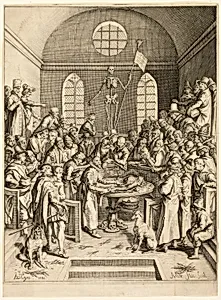
1565–1629
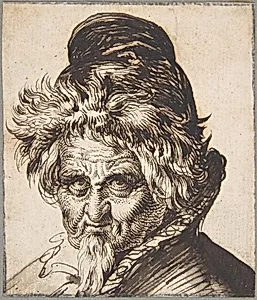
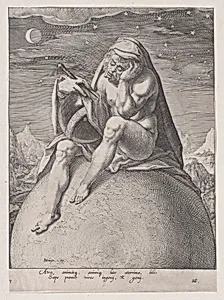
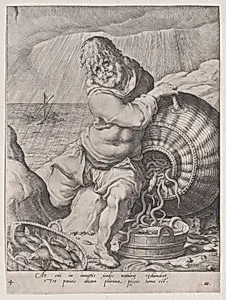
Jacques de Gheyn II (1565–1629) was born in Antwerp into an artistic family, receiving his earliest instruction from his father, Jacob de Gheyn I, a skilled glass painter, engraver, and draftsman. In 1585, the young de Gheyn moved to Haarlem, where he spent five formative years studying under Hendrik Goltzius, one of the most celebrated engravers of the Northern Renaissance. This apprenticeship proved decisive, shaping de Gheyn into a master of line and composition.
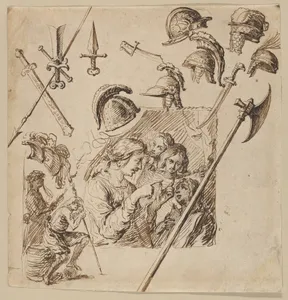
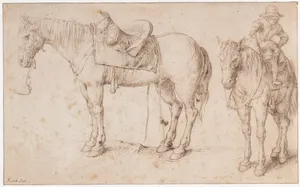
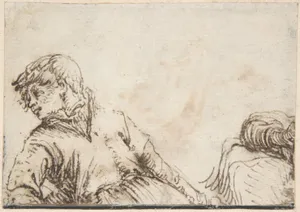
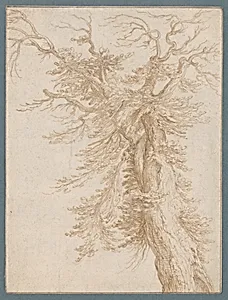
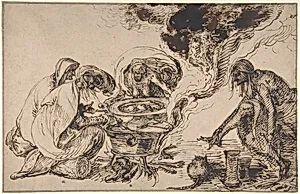
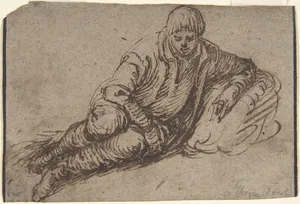
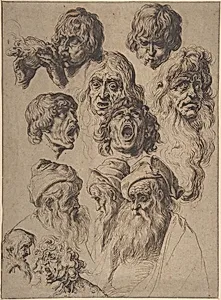
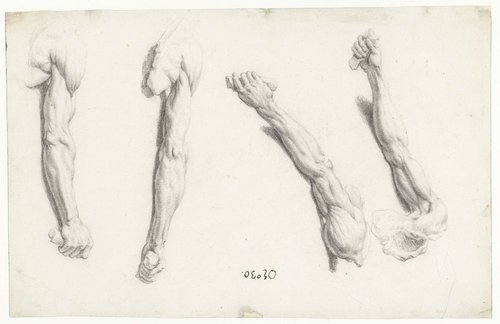
De Gheyn's career traces a remarkable arc from Northern Mannerism toward the naturalistic observation that would define the Dutch Golden Age. Around 1600 he largely abandoned engraving and shifted his focus to painting, etching, and drawing. His work is distinguished by an intense, almost scientific curiosity about the natural world — insects, lizards, shells, and plants appear rendered with meticulous precision in his more than 1,500 surviving drawings. When he settled permanently in The Hague in 1605, he became closely associated with the court of Prince Maurice of Nassau.
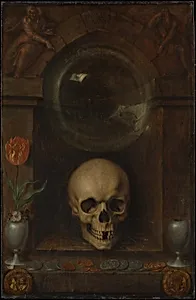
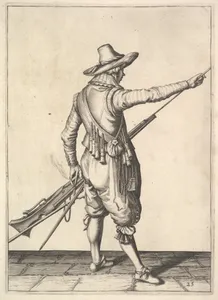
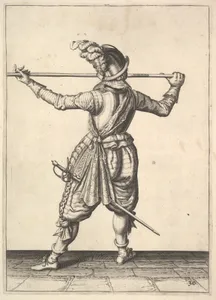
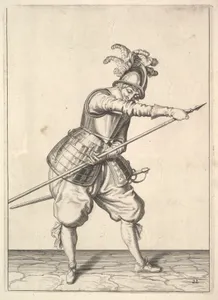
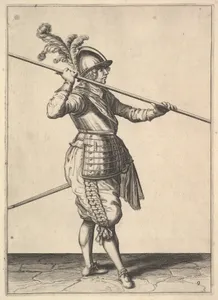
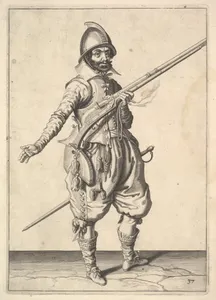
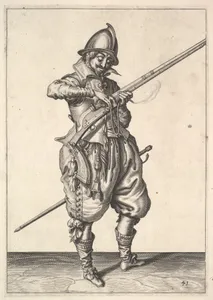
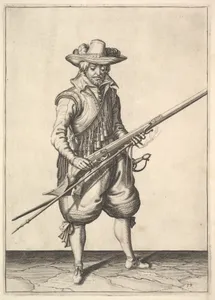
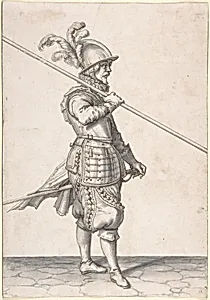
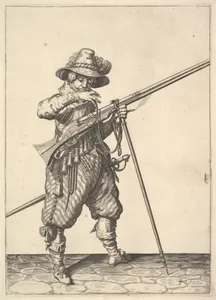
Among his most significant works is the Vanitas Still Life (1603), now held at the Metropolitan Museum of Art, which is widely regarded as the earliest known independent vanitas painting. He also produced 117 engravings for the influential military manual The Exercise of Armes, commissioned by Prince Maurice.
De Gheyn's legacy is that of a bridge figure: trained in the virtuosic Mannerist tradition of Goltzius, he helped lay the conceptual and technical groundwork for Dutch naturalism. His works are held today in major institutions including the Metropolitan Museum of Art, the National Gallery of Art, the Getty Museum, and the Rijksmuseum.