Ctrl K
1500–1599
"Italian 16th Century" refers to a collective attribution for anonymous painters and sculptors active in Italy during the 16th century, a period bridging the High Renaissance and Mannerism. These artists, often working in workshops of masters like Titian, Veronese, and Tintoretto, remain unidentified due to the collaborative nature of Renaissance production. Their early lives and training are not well documented, though many likely apprenticed in prominent regional centers such as Venice, Florence, and Rome, absorbing techniques from the era's leading figures.
Stylistically, these creators embodied the transition from Renaissance harmony to Mannerist elegance and complexity. Venetian examples favor rich colors, luminous atmospheres, and dynamic compositions suited for grand ecclesiastical and civic spaces, as seen in ceiling paintings with dramatic foreshortening. Central and Northern Italian works often feature intricate bronzes, enameled gold objects, and mythological scenes with elongated figures and allegorical depth, reflecting the period's fascination with classical antiquity and religious narrative. This diversity underscores Italy's regional schools—Venetian colorito versus Florentine disegno—while adapting to patrons like confraternities and nobility.
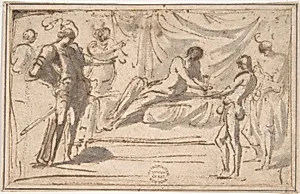
Among the 205 known artworks in this virtual museum's collection, standout pieces include Venus Blindfolding Cupid (c. 1566/1570), an oil on canvas capturing erotic tension and playful mythology, and The Worship of the Golden Calf (c. 1594), a vivid biblical scene. Other highlights are bronze medals like Nicola Vicentino, Composer and Musical Theorist (after 1561), and rock crystal cups with Este arms (1560s), showcasing technical virtuosity in luxury goods. Workshop ties appear in works like Saint John the Evangelist on Patmos (c. 1553/1555), echoing Titian's visionary style for Venice's Scuola di San Giovanni Evangelista.
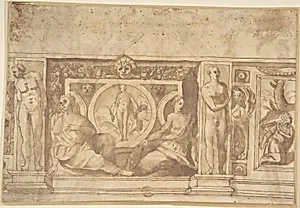
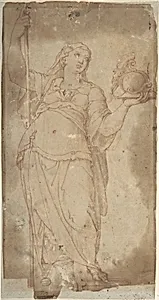
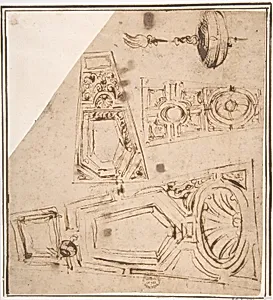
The legacy of these anonymous Italian 16th-century artists endures in major institutions like the National Gallery of Art and Samuel H. Kress collections, where their output—spanning paintings, sculptures, and decorative arts—preserves the era's innovative spirit. They contributed essential works to the scuole grandi and princely courts, influencing later Baroque developments and reminding us of the unsung hands behind Italy's artistic golden age.