Ctrl K
1745–1808
Jacob Wilhelm Mechau (1745–1808) was a German painter and draughtsman who became one of the more distinctive landscape artists working in Rome during the late eighteenth century. Born in Dresden in 1745, Mechau received his early artistic education in the rich environment of that city's court culture, which placed a high premium on classical training and technical refinement. He later made his way to Rome, as did so many German artists of his generation, drawn by the city's unparalleled concentration of ancient art, Renaissance masterworks, and a thriving international community of painters and collectors.
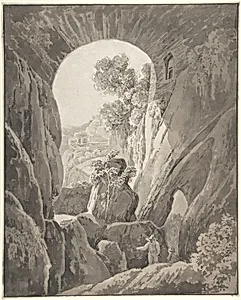
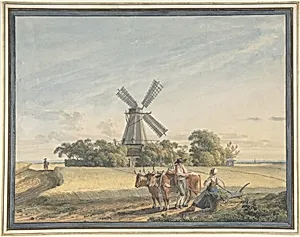
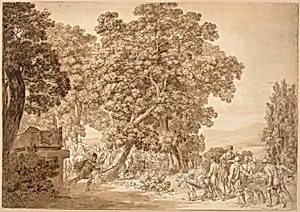
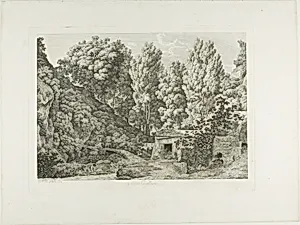
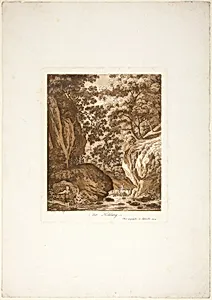
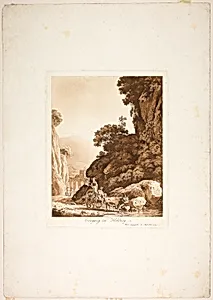
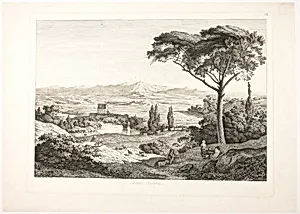
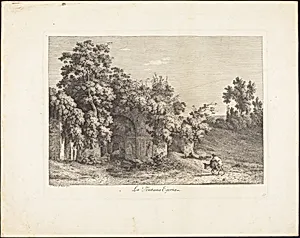
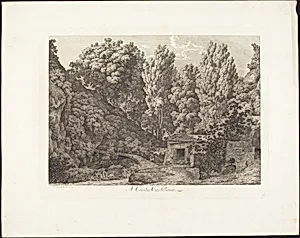
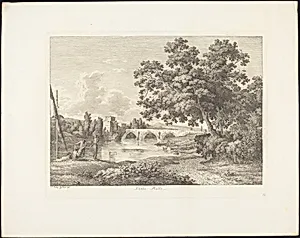
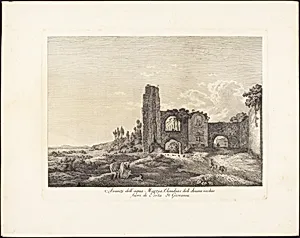
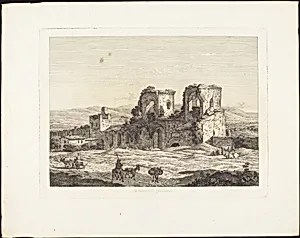
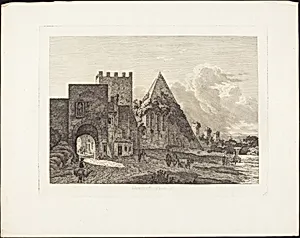
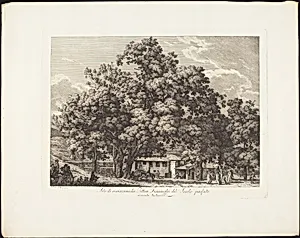
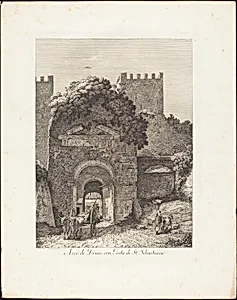
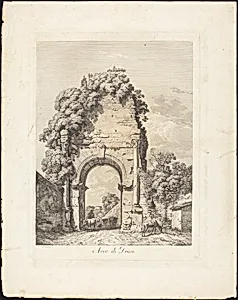
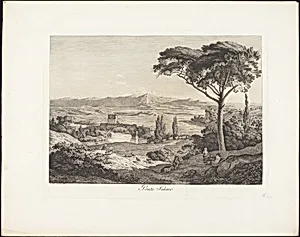
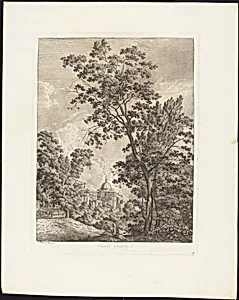
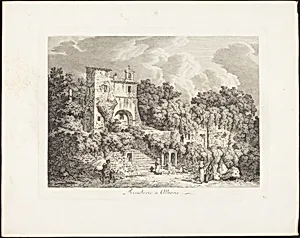
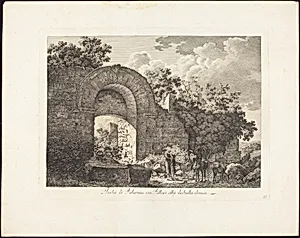
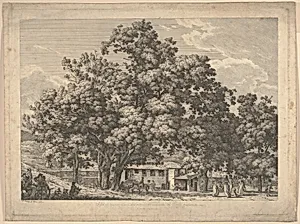
In Rome, Mechau came under the influence of the classical landscape tradition that had descended from Claude Lorrain and Nicolas Poussin, and he absorbed the lessons of his contemporaries in the circle of artists working in the city during the era of Neoclassicism. His landscapes are marked by a careful organization of space, harmonious lighting, and an idealized vision of the Italian countryside in which ancient ruins, picturesque peasants, and softly rendered foliage combine to create scenes of serene beauty. He also worked in the tradition of the veduta, producing views of Rome and its environs that appealed strongly to the Grand Tour market.
Mechau exhibited his work and found patrons among the educated European visitors who flooded Rome in search of cultural refinement. His drawings and paintings in gouache and oil were appreciated for their technical polish and their ability to evoke the calm grandeur of the Italian landscape. He maintained close ties with German patrons and eventually returned to Germany, where he spent his later years.
Though Mechau does not occupy a place in the first rank of the Neoclassical landscape tradition, his work is a valuable record of the international artistic culture of late eighteenth-century Rome. He died in 1808, and his paintings and drawings are held in several European collections, where they continue to be appreciated as accomplished examples of the German response to the Italian landscape ideal.