Ctrl K
1749–1831
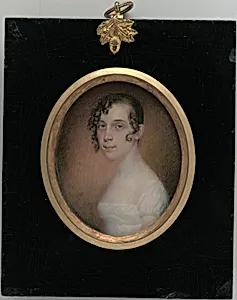
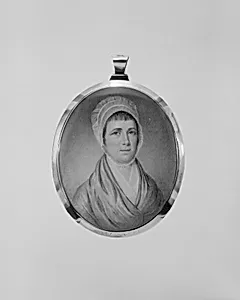
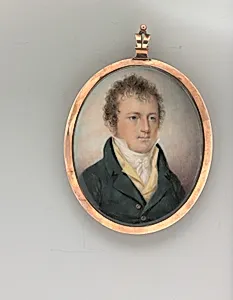
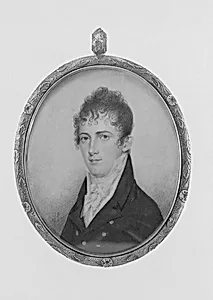
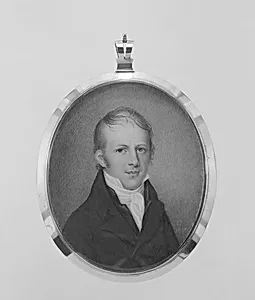
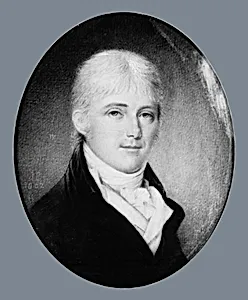
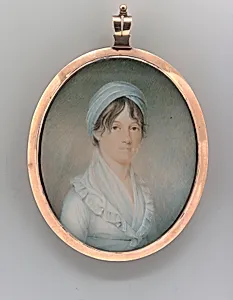
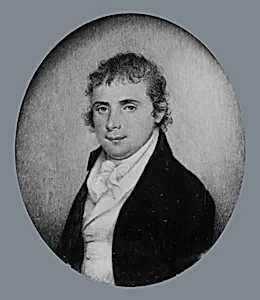
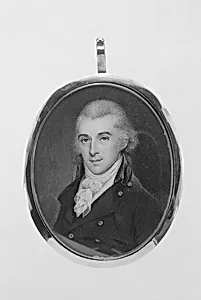
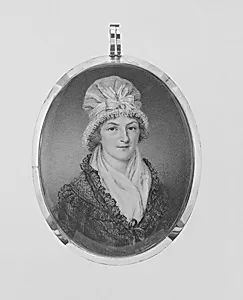
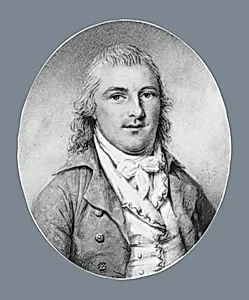
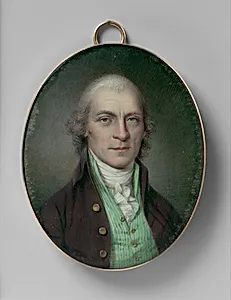
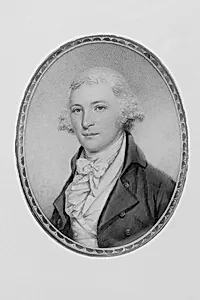
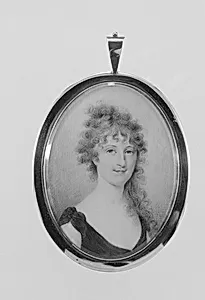
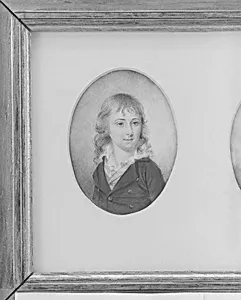
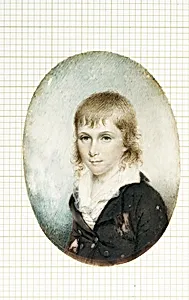
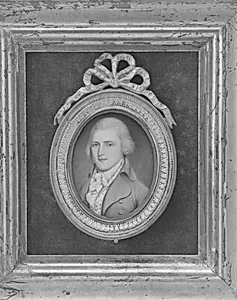
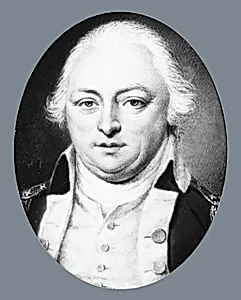
James Peale was an American painter born in 1749, the younger brother of the more famous Charles Willson Peale, and a member of one of the most remarkable artistic families in the history of American art. Trained largely by his brother, James worked for many years in Charles Willson's shadow, assisting with portraits and miniatures in the Philadelphia studio before developing his own independent practice. His earliest significant work was in miniature portraiture, a specialty in which he became one of the finest practitioners in America during the Federal period, producing small, precisely painted likenesses in watercolor on ivory that were prized by sitters across the eastern seaboard.
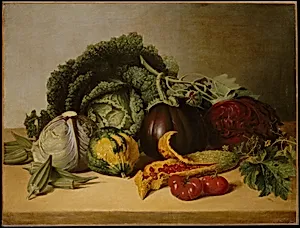
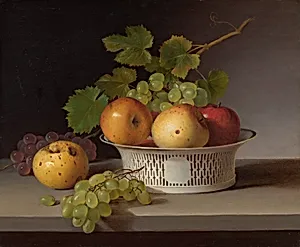
As his eyesight declined with age, James Peale turned increasingly to still-life painting, and it is in this genre that he made his most distinctive and lasting contribution. His tabletop arrangements of vegetables, fruits, and ceramic vessels are painted with quiet confidence and a warm, domestic light that distinguishes them from the more theatrical European still-life tradition. Working in a mode that would come to be associated with Philadelphia still-life painting more broadly, he helped establish a vernacular American approach to the genre — modest in scale, naturalistic in intention, and attentive to the textures and colors of ordinary produce.
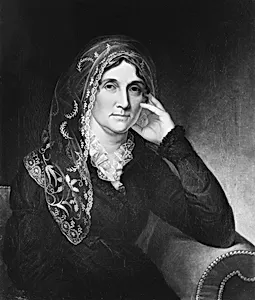
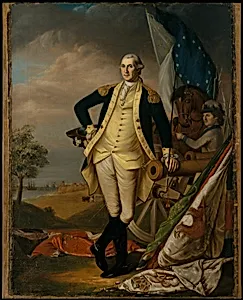
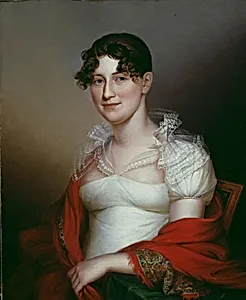
James Peale exhibited regularly at the Pennsylvania Academy of the Fine Arts and remained active as a painter well into old age, a testament to his dedication to the craft. Several of his children also became painters, extending the Peale family's influence across another generation of American art. His portraits record the faces of Revolutionary-era Americans with the intimacy characteristic of the miniature tradition.
James Peale died in 1831, and his reputation, long overshadowed by that of his brother Charles and his nephew Rembrandt, has been substantially rehabilitated by scholars of American art. His still lifes in particular are now recognized as foundational works in the development of an indigenous American tradition of that genre, and his miniatures are valued both as portraits and as exquisite examples of a once-flourishing craft.