Ctrl K
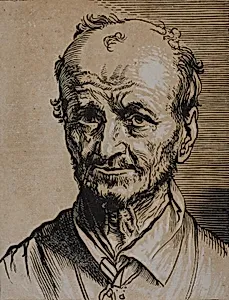
1607–1674
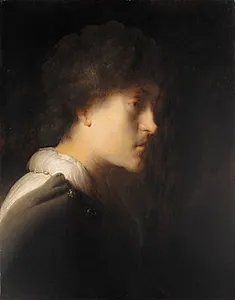
Jan Lievens (1607–1674) was born in Leiden and showed exceptional artistic promise from an early age, beginning his training with the local painter Joris van Schooten before traveling to Amsterdam around 1617 to study for two years under Pieter Lastman—the same teacher who would later instruct Rembrandt van Rijn. Lievens and Rembrandt, near-contemporaries born in the same city, subsequently shared a studio in Leiden during the 1620s, forming one of the most creatively charged partnerships in the history of Dutch art.
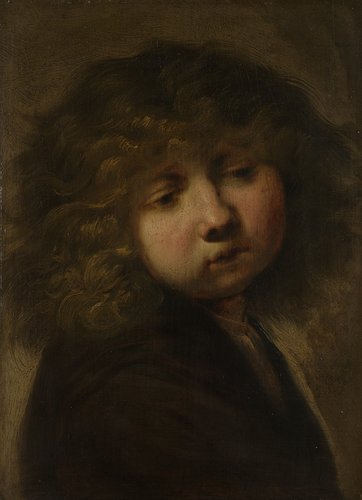
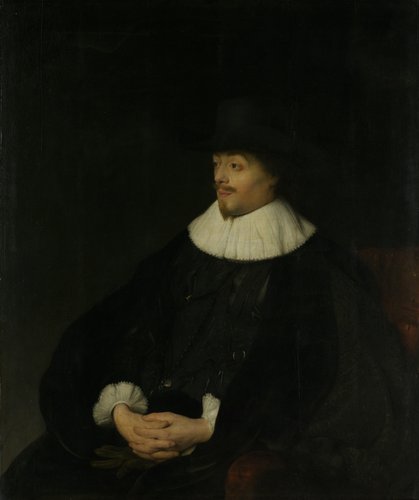
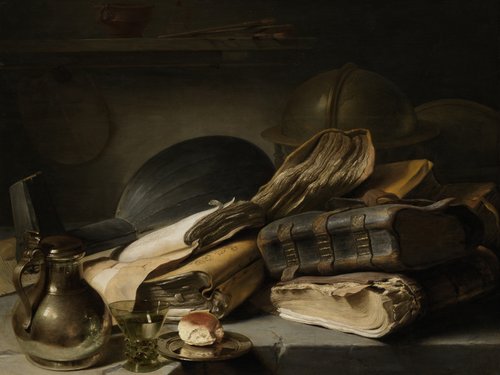
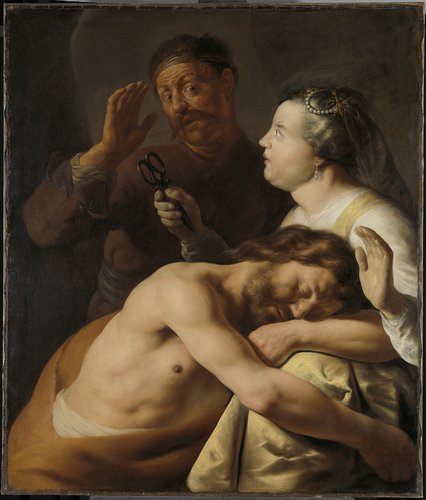
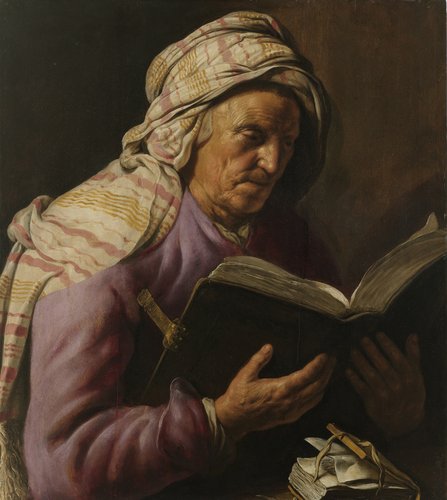
The years of their collaboration produced ambitious works in which the two artists influenced each other deeply, trading subjects, formats, and technical discoveries. The diplomat and connoisseur Constantijn Huygens visited their shared studio around 1628 and left a celebrated assessment of both artists, judging Lievens to be the more inventive of the two but finding Rembrandt more expressive and emotionally penetrating. Lievens's canvases from this period—large-scale figure compositions lit with dramatic chiaroscuro clearly derived from the Caravaggist tradition—display a confidence of conception that fully justifies Huygens's admiration. The two artists separated around 1631 when Rembrandt moved to Amsterdam.
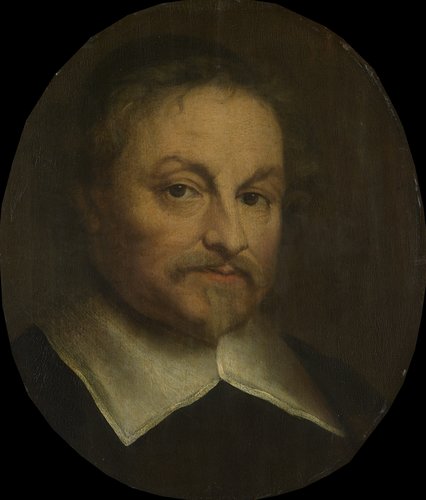
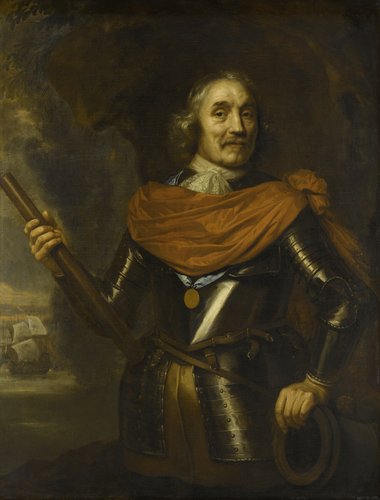
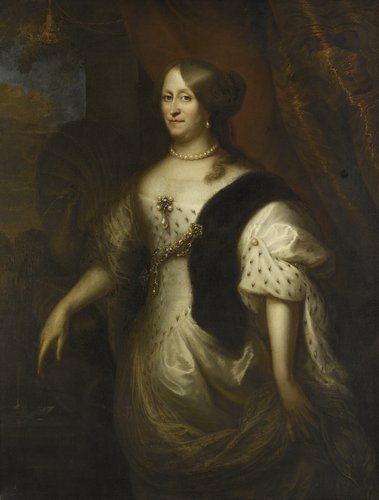
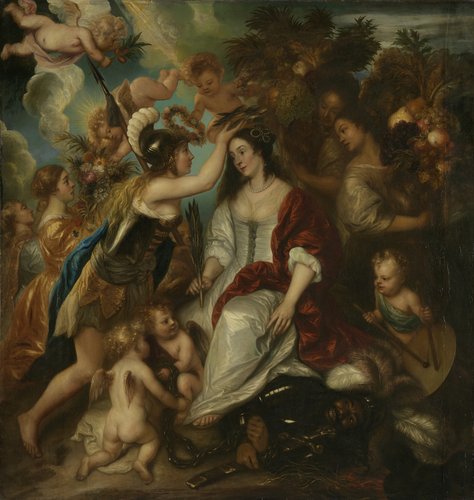
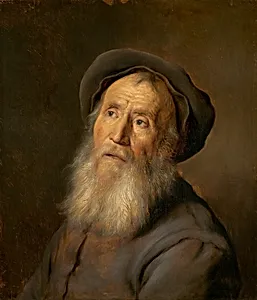
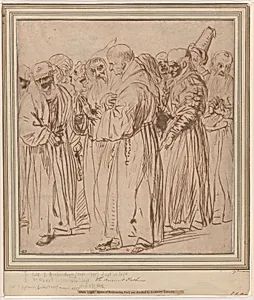
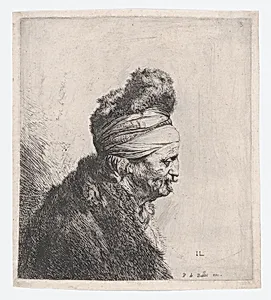
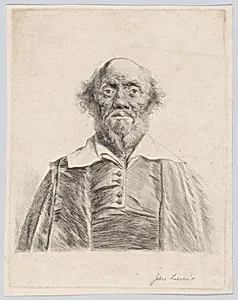
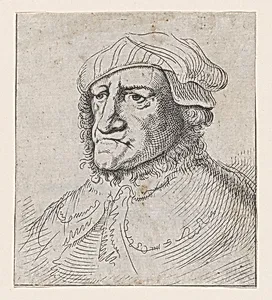
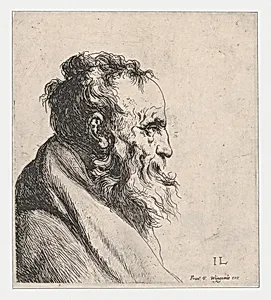
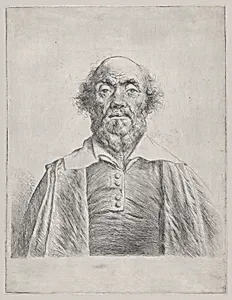
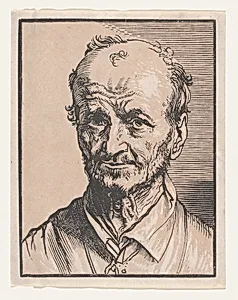
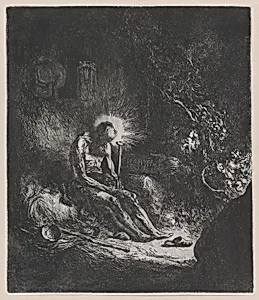
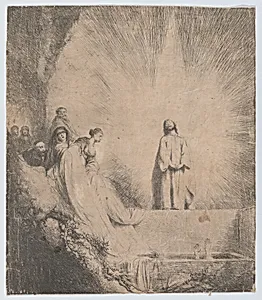
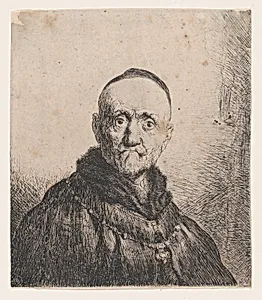
Lievens subsequently traveled to England, where he remained from approximately 1632 to 1635 and came under the influence of Anthony van Dyck, whose polished portrait manner left a lasting mark on his style. He then settled in Antwerp for nearly a decade before eventually returning to the Dutch Republic, working in The Hague and Amsterdam. During these later decades he produced portraits, history paintings, and a substantial body of prints—etchings and woodcuts—that demonstrate continued technical vitality. He served courts and wealthy patrons across northern Europe, though his later career was troubled by financial difficulties.
Lievens has often been viewed primarily through the shadow of his famous contemporary, but sustained scholarly attention has established him as a significant independent artistic personality. Major exhibitions devoted to his work have helped reveal the full scope of his achievement across nearly five decades of production, confirming his place among the leading painters of the Dutch Golden Age.