Ctrl K
1571–1628
**Jan Harmensz. Muller (1571–1628)**
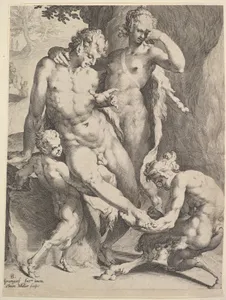
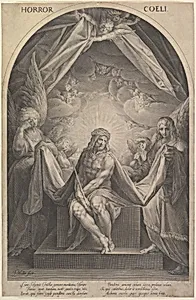
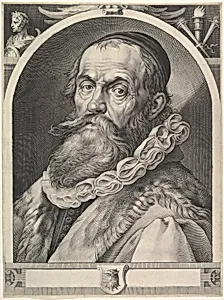
Born in Amsterdam in 1571, Jan Harmensz. Muller grew up immersed in the world of printmaking, as the son of the prominent engraver, publisher, and book printer Harmen Jansz. Muller. He studied under his father, mastering the engraving trade within the family business, The Gilded Compasses. Around 1589, Muller joined the workshop of Hendrick Goltzius in Haarlem, where he honed his skills and emerged as a formidable rival to his mentor during the 1590s. This training in the Dutch Mannerist tradition equipped him with a distinctive technique of flawlessly even, swelling cross-hatched lines that created intricate, swirling compositions emphasizing elongated nudes and muscular forms.
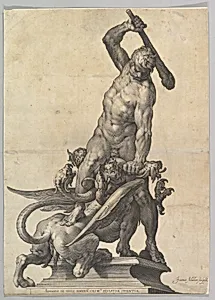
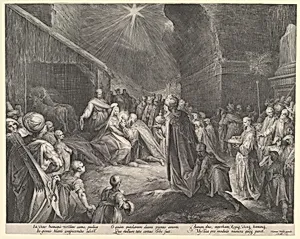
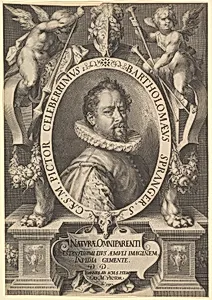
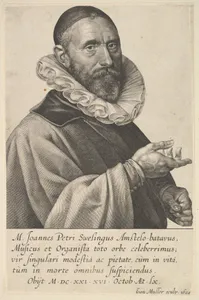
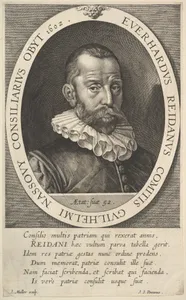
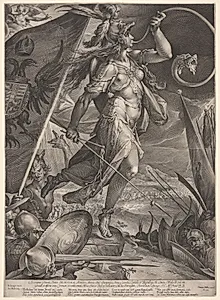
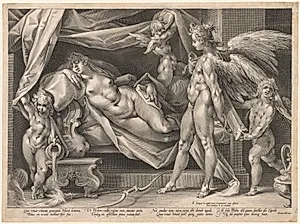
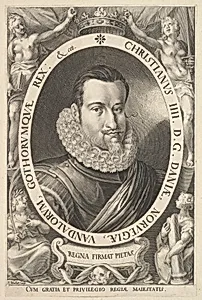
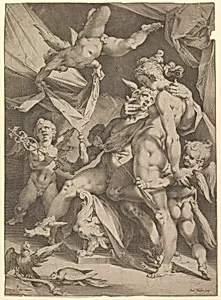
Muller's career flourished through ambitious collaborations and international travels. From 1594 to 1602, he worked in Italy and likely Prague, engraving reproductive prints after leading Mannerists at Emperor Rudolf II's court, including Bartholomeus Spranger, Adriaen de Vries, and Hans von Aachen. Partnering with Goltzius, he contributed to monumental series like *The Creation of the World*. Standout original and reproductive works include his self-designed *Lot and His Daughters* (1600), the dynamic *Minerva and Mercury Arming Perseus* (1604), *Hercules Killing the Hydra* (c. 1602), and portraits such as *Christian IV of Denmark* (1625) and *Albert, Archduke of Austria* (c. 1615, after Rubens). These engravings showcase his mastery of curvilinear rhythms and exaggerated anatomies, blending sensuality with technical virtuosity.
Returning to Amsterdam, Muller inherited his father's publishing house and continued producing refined prints until his death in 1628. His legacy endures as one of the most imaginative Dutch engravers of his era, bridging Haarlem Mannerism with imperial patronage. Muller's surviving proof impressions offer rare insights into his creative process, cementing his place in printmaking history and influencing generations with his elegant, dizzying line work. Today, his works grace collections like the National Gallery of Art, celebrating a pivotal figure in the Northern Renaissance's graphic revolution.
![Sine Cerere et Baccho Friget Venus [Without Ceres and Bacchus Venus Grows Cold]](https://images.artheonmuseum.org/met/dp/thumb/sine-cerere-et-baccho-friget-venus-without-ceres-and-bacchus-venus-grows-cold-366421.webp)