Ctrl K
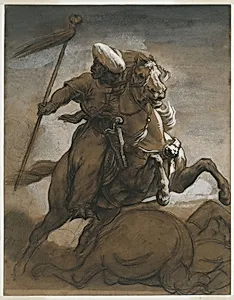
1791–1824
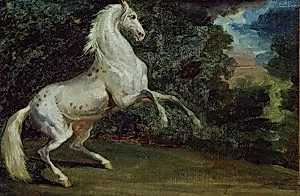
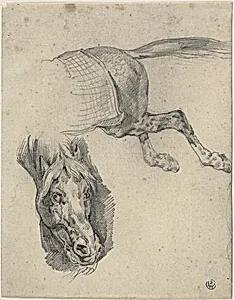
Jean-Louis André Théodore Géricault (1791–1824) was born into a prosperous bourgeois family in Rouen, France, the son of a lawyer who managed the family tobacco business. After moving to Paris around 1797, his artistic talent emerged early, nurtured in a circle that included his maternal uncle Jean-Baptiste Caruel and art dealer Jean-Louis Laneuville. Géricault began formal training in 1808 under Carle Vernet, mastering English sporting art traditions and developing a lifelong passion for equine anatomy through studies at Versailles stables. In 1810, he entered the École des Beaux-Arts studio of Pierre-Narcisse Guérin, a strict Neoclassicist who taught classical figure composition, though Géricault's impulsive energy soon clashed with the academic rigor. He spent years copying masters like Rubens, Titian, Velázquez, and Rembrandt at the Louvre, blending their dramatic colorism with contemporary subjects.
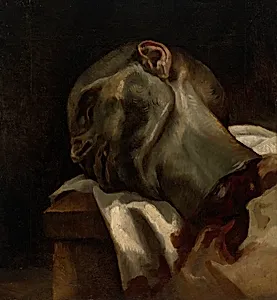
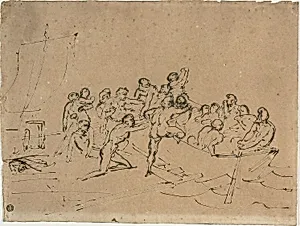
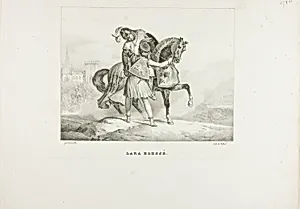
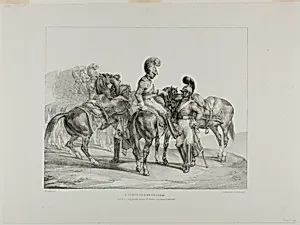
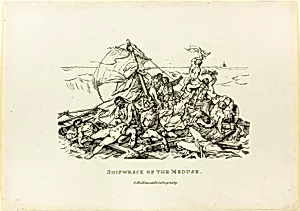
A pioneer of French Romanticism, Géricault rejected Neoclassicism's polished order for raw emotion, turbulent compositions, and human drama, influenced by Michelangelo, Baroque artists, and Antoine-Jean Gros's monumental battle scenes. His debut at the 1812 Salon, *The Charging Chasseur*, showcased a rearing horse and fleeing officer, echoing Rubens while engaging Napoleonic themes. The 1814 Salon's *Wounded Cuirassier* depicted defeat's pathos. His masterpiece, *The Raft of the Medusa* (1818–1819), scandalized the 1819 Salon with its epic portrayal of shipwreck survivors' cannibalistic desperation, critiquing corruption and fusing heroic scale with visceral realism; it toured England to acclaim.
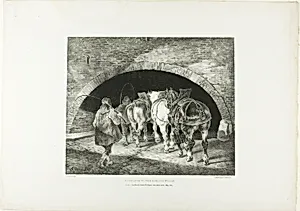
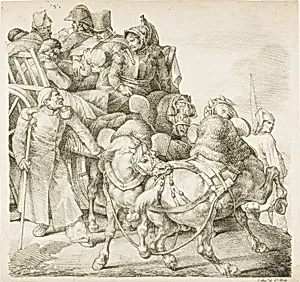
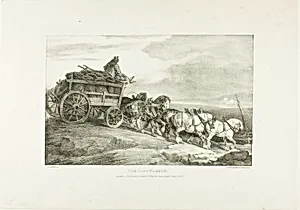
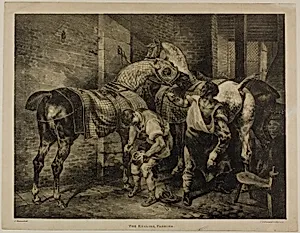
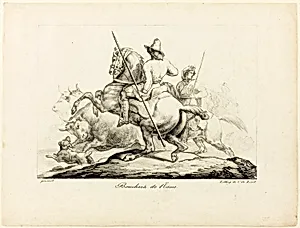
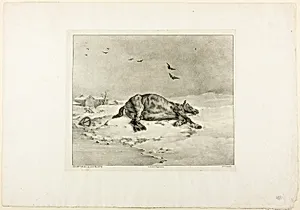
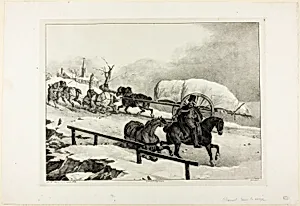
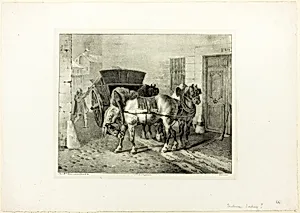
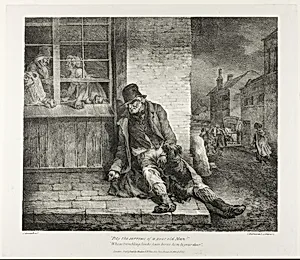
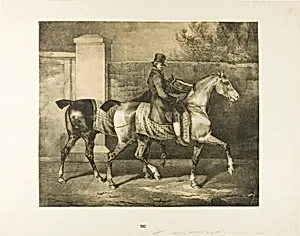
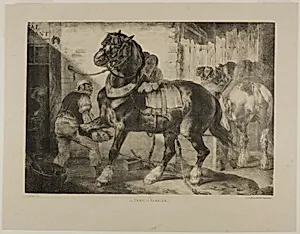
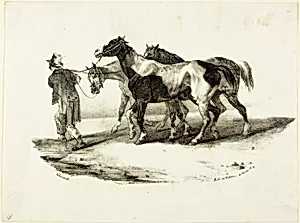
In his final years, after travels to Italy (1816–1817) and England (1820–1821), Géricault produced haunting *Portraits of the Insane* (1822–1823), including *The Woman with Gambling Mania* and *Portrait of a Kleptomaniac*, commissioned by psychiatrist Étienne-Jean Georget and drawn from his family's history of mental fragility and his own declining health. He pioneered expressive lithography with military subjects and horse studies like *The Derby at Epsom* (1821). Weakened by riding falls and tuberculosis, he died at 32. Géricault's boundary-pushing legacy shaped Romantics like Eugène Delacroix, cementing Romanticism's focus on passion, the sublime, and social critique.