Ctrl K
1600–1663
Occupations
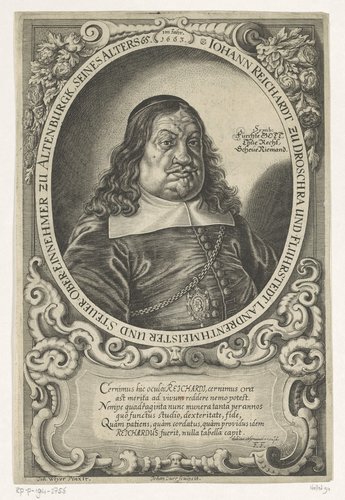
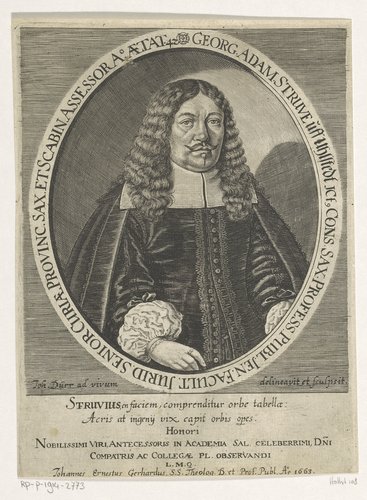
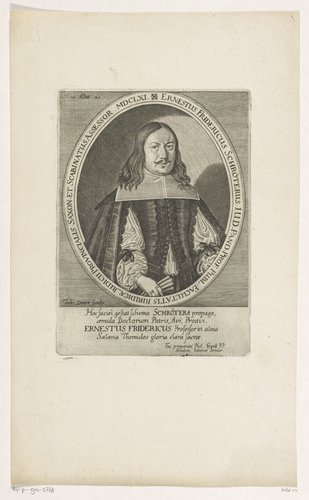
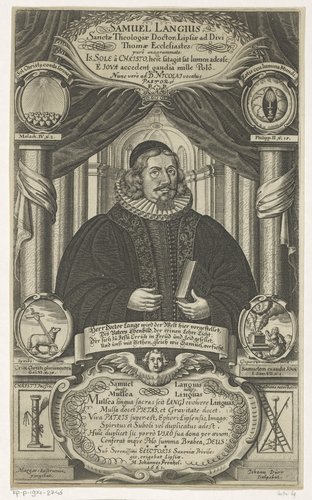
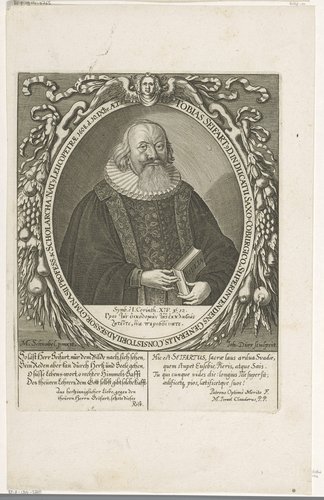
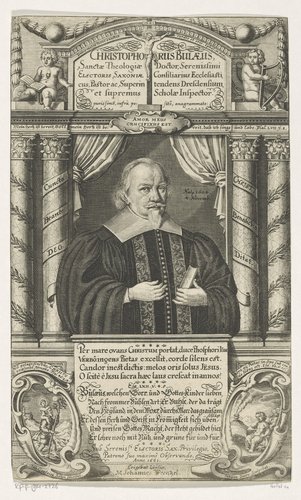
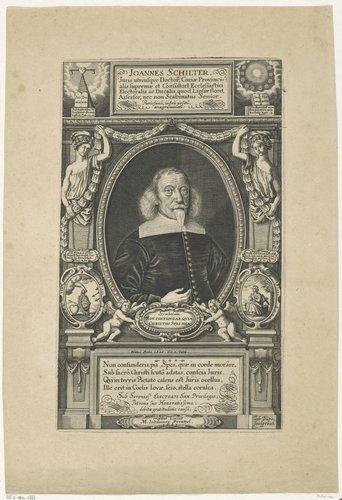
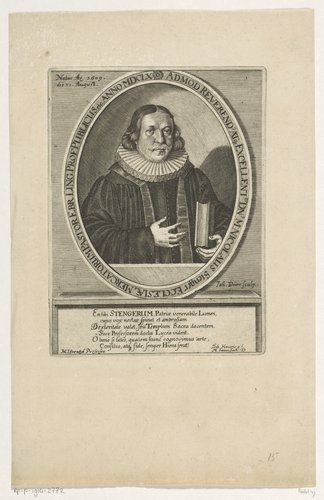
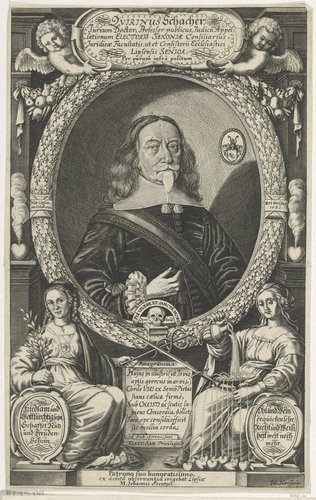
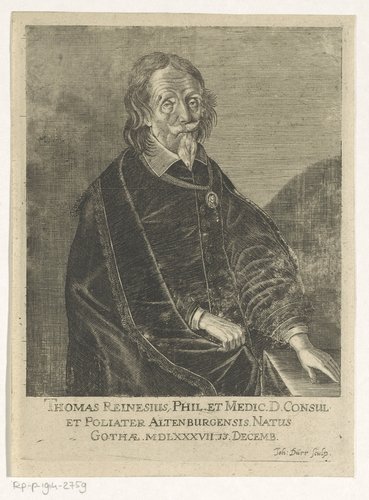
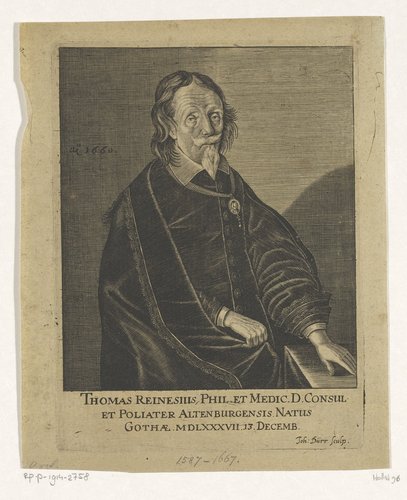
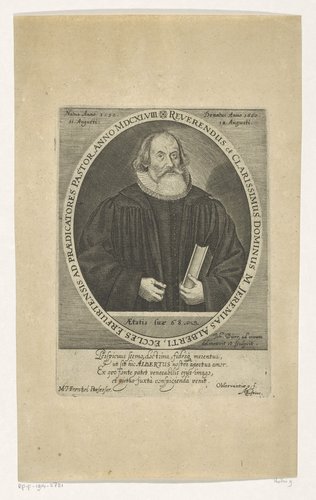
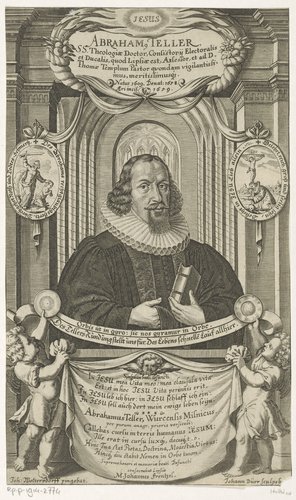
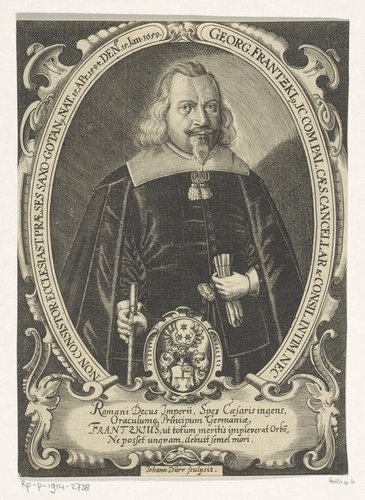
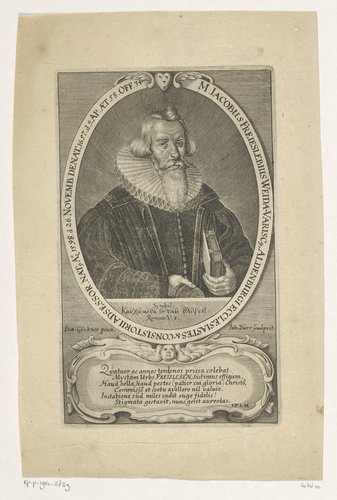
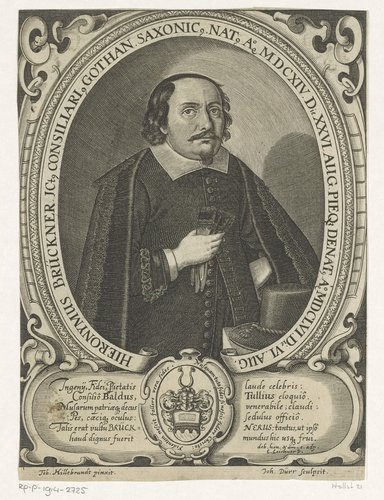
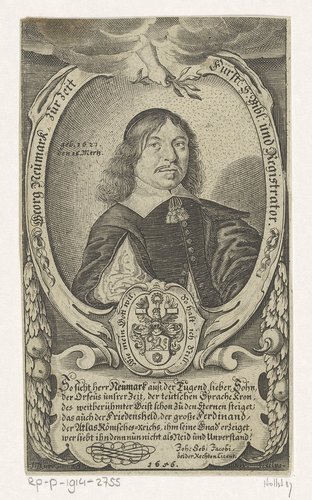
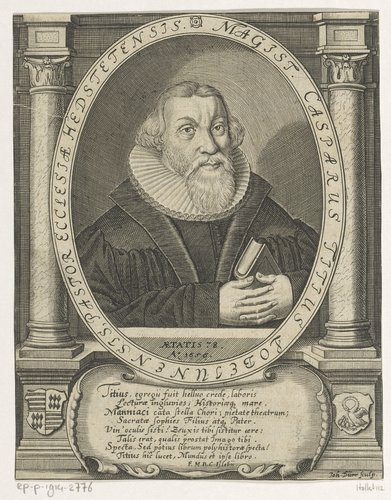
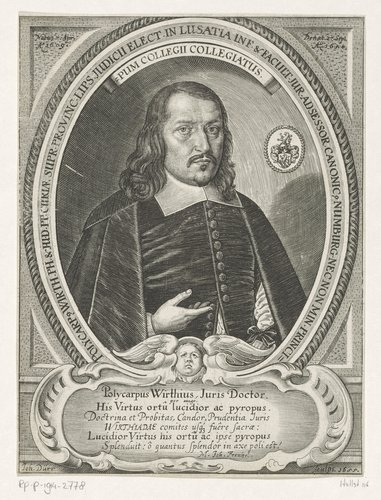
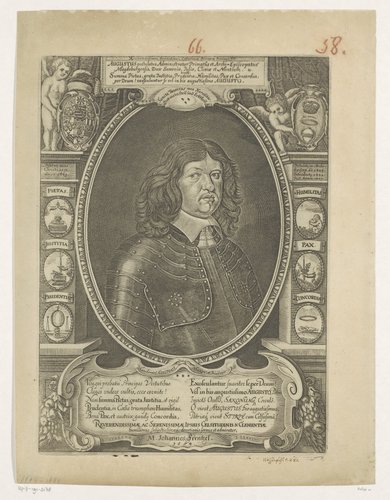
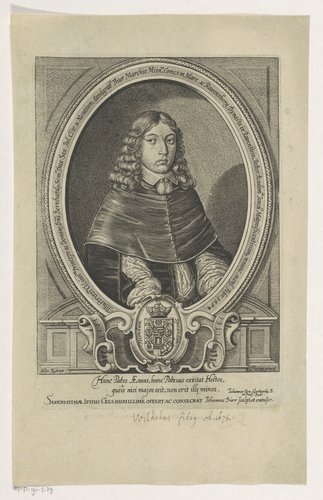
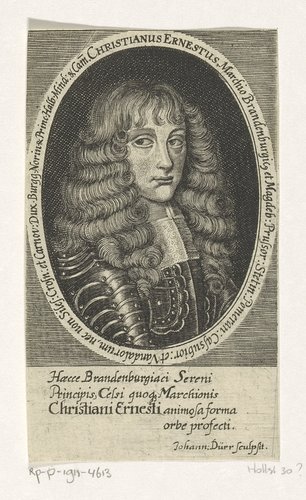
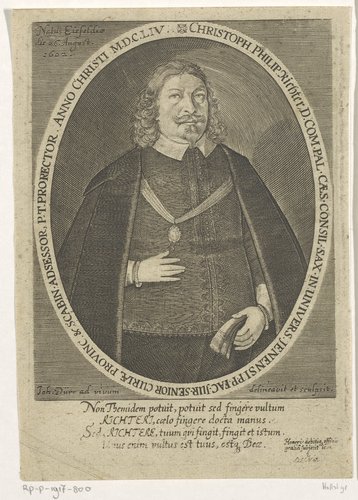
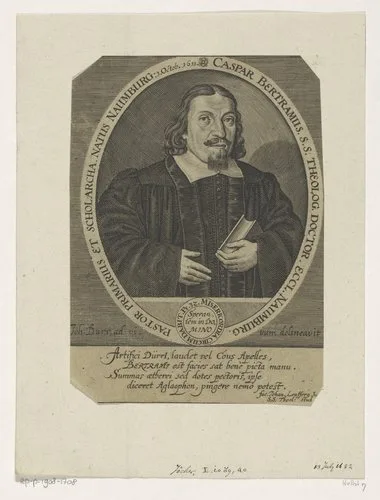
Johann Dürr (1600–1663) was a German copperplate engraver who worked primarily in Weimar during the mid-17th century, producing prints for court and scholarly patrons during the tumultuous period of the Thirty Years' War. Born in 1600, Dürr's career spanned one of the most devastating periods in German history, when religious conflict and military campaigns brought widespread destruction to German territories. Despite these challenges, he maintained productive output creating printing plates for portraits, scholarly works, and court commissions. His subjects included William, Duke of Saxe-Weimar (1598–1662), and he worked on projects published by the mathematician Erhard Weigel (1625–1699). His sons, Ernst Caspar Dürr and Johann Christoph Dürr, continued artistic traditions, suggesting the establishment of a family workshop. Though detailed biographical information remains limited, Dürr's dated works ranging from the 1630s through 1660s document a sustained career serving the cultural and political needs of the Weimar court and central German scholarly community.
Johann Dürr was born in 1600 in German territories, at the beginning of the 17th century. Little is known of his early life or artistic training, though his later technical competence indicates systematic apprenticeship in copper engraving techniques.
His formative years coincided with growing religious and political tensions that would explode into the Thirty Years' War (1618–1648), one of the most destructive conflicts in European history. The war would profoundly affect German cultural and economic life throughout Dürr's career.
He established himself as a copperplate engraver, learning the demanding technique of incising lines into copper plates using the burin for intaglio printing. This specialized craft required years of training to develop the steady hand control and systematic approach necessary for quality work.
Dürr worked primarily in Weimar, seat of the Duchy of Saxe-Weimar, where he produced printing plates for various patrons. His work included portraits of nobility, particularly William, Duke of Saxe-Weimar (1598–1662), a significant military and political figure during the Thirty Years' War who allied with Sweden and France against the Holy Roman Emperor.
Creating portrait plates of Duke William placed Dürr within court circles, producing images that served propaganda, commemorative, and documentary purposes. Such portraits were essential for spreading rulers' images and maintaining their presence beyond physical appearance at court.
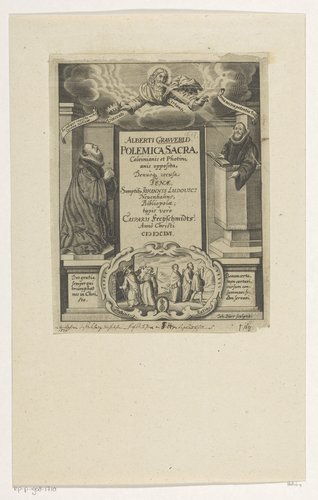
Dürr also collaborated with scholars, producing plates for publications by Erhard Weigel (1625–1699), an important mathematician, astronomer, and philosopher who taught at Jena University. This scholarly work demonstrated Dürr's versatility, creating technical illustrations and diagrams alongside commemorative portraits.
His work depicting Johannes Martin Luther (1616–1669), descendant of Martin Luther, indicates connections to Lutheran scholarly and religious circles in central Germany. These various projects show Dürr navigating the complex religious, political, and intellectual landscape of 17th-century Germany.
Dated works range from the 1630s through the 1660s, indicating sustained productivity across three decades despite the war's disruptions. His ability to maintain work during this devastating period testifies to the continued demand for printed images even amid widespread destruction.
Johann Dürr died in Weimar in 1663. He left two sons who became artists: Ernst Caspar Dürr and Johann Christoph Dürr, suggesting establishment of a family workshop that continued artistic traditions into the next generation.
Artheon Research Team
Last updated: 2025-11-09
Biography length: ~778 words
Wikidata (CC0)