Ctrl K
1855
**John Thorsen (active c. 1935)**
John Thorsen was an American artist active during the 1930s, best known for his contributions to the Index of American Design, a Federal Art Project under the Works Progress Administration (WPA). Little is documented about his early life, training, or formal artistic education, suggesting he may have been a self-taught practitioner whose skills aligned with the project's emphasis on documenting everyday American craftsmanship. Operating amid the Great Depression, Thorsen captured the utilitarian beauty of folk objects, tools, and textiles in a precise, documentary style that blended watercolor, graphite, gouache, colored pencil, and pen and ink on paper or paperboard.
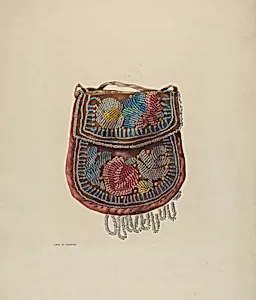
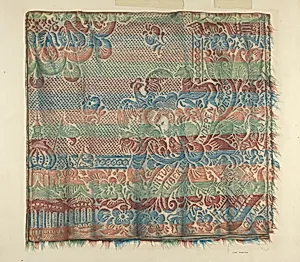
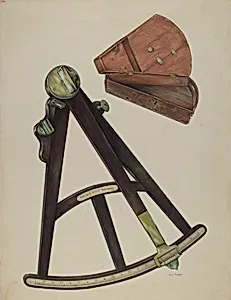
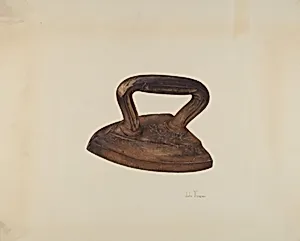
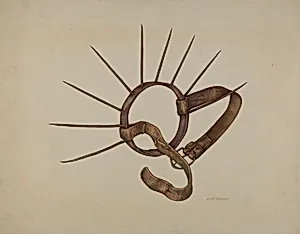
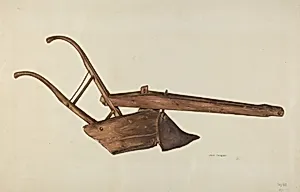
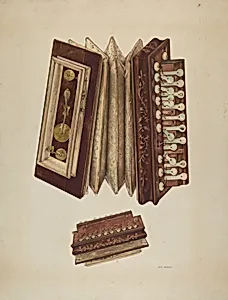
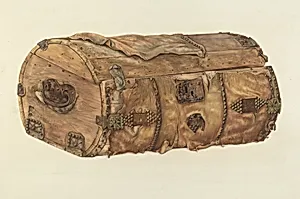
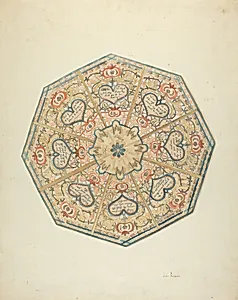
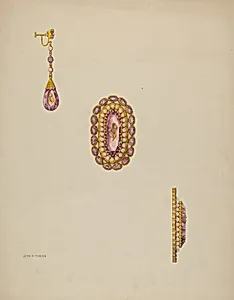
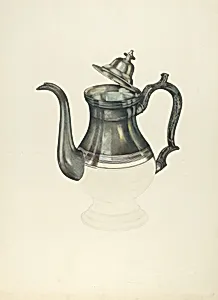
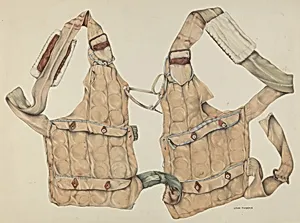
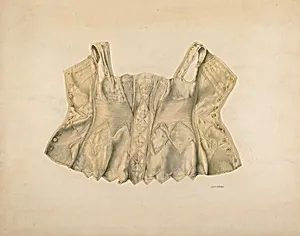
Thorsen's oeuvre, comprising 14 works in the National Gallery of Art's collection—all donated in 1943 as part of the Index of American Design—features meticulous renderings of vernacular items reflective of American material culture. Key examples include *Plow* and *Nose Piece (For Weaning Calf)* (both c. 1938), which depict agricultural tools with technical accuracy; *Trunk* (c. 1937) and *Iron* (c. 1938), showcasing household wares; and more ornamental pieces like *Corset* and *Bag* (both c. 1941), *Brooch and Earrings* (c. 1936), *Woman's Accordion* (1938), *Octant* (1939), *U.S. Grant Coverlet* (1939), and *Valentine* (c. 1937). His drawings emphasize form, texture, and function, evoking the simplicity and durability of pre-industrial designs in an era of modernization.
Thorsen's legacy endures through these artifacts, which preserve a visual record of America's folk heritage for posterity. Housed prominently in the National Gallery of Art, his works exemplify the Index's mission to celebrate regional crafts, influencing later studies in American folk art and design history. Though sparsely recognized beyond this context, Thorsen's contributions highlight the value of anonymous makers in shaping national identity.