Ctrl K
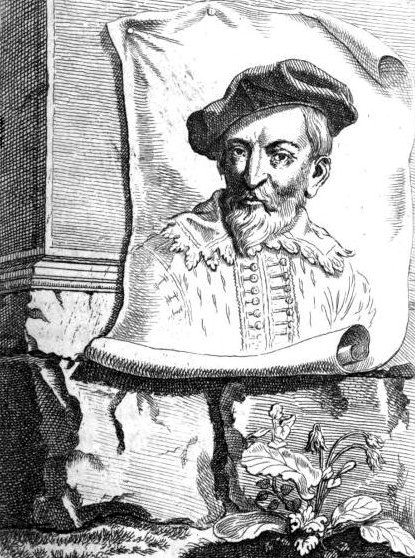
1539–1591
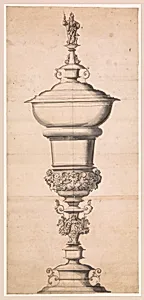
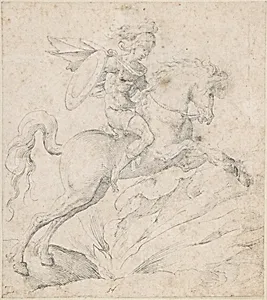
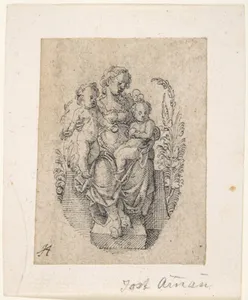
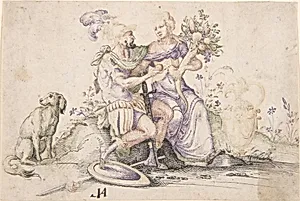
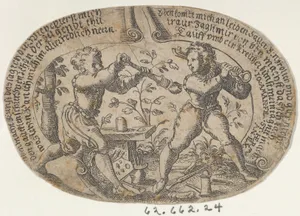
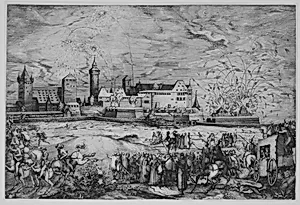
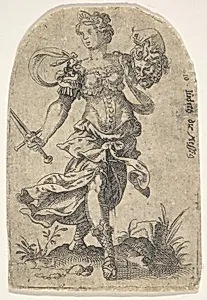
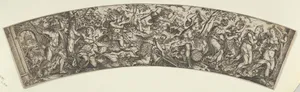
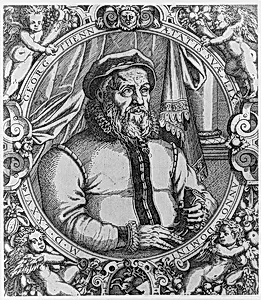
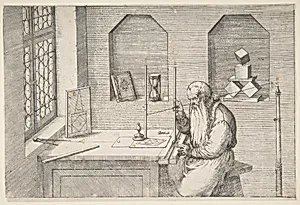
Jost Amman (1539–1591) was a Swiss-born woodcut designer, engraver, and illustrator who became one of the most prolific and influential graphic artists of sixteenth-century Germany, producing an output of extraordinary range and technical virtuosity that shaped the visual culture of the later Reformation era. Born in Zurich, Amman moved to Nuremberg around 1560, the city that had been the center of German graphic art under Albrecht Dürer, and there established himself in the workshop of the publisher and woodcutter Virgil Solis. After Solis's death, Amman effectively inherited his position as the leading supplier of woodcut illustrations to the German publishing trade.
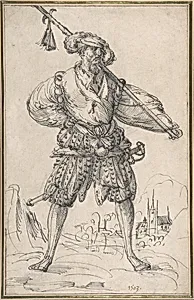
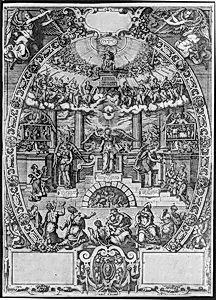
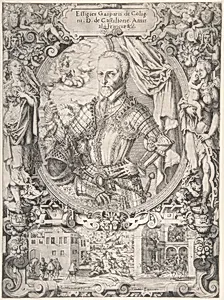
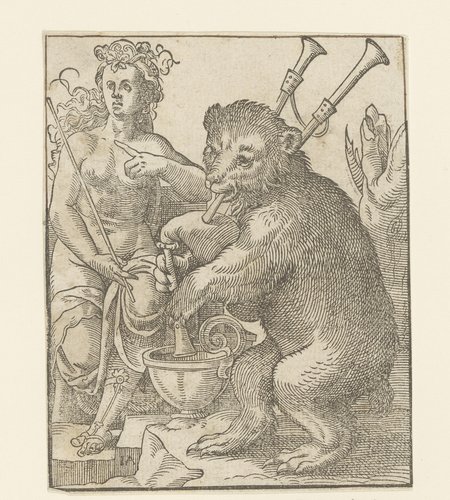
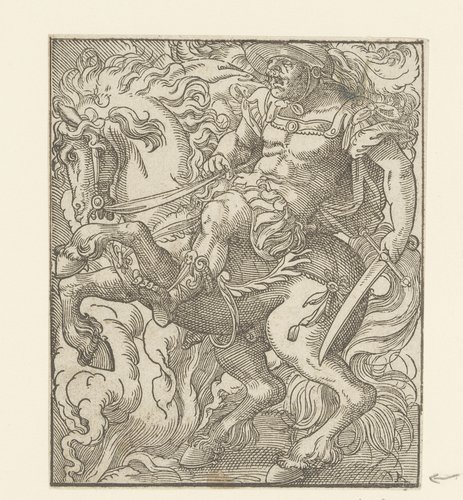
Amman worked across an astonishing variety of subjects and formats. His illustrations encompass biblical narratives, classical mythology, heraldry, costume, the trades and professions, hunting, tournament, and historical subjects. His celebrated Book of Trades (Ständebuch), published in 1568 with verses by Hans Sachs, depicts craftsmen and workers from across society in lively, precisely observed woodcuts that constitute an invaluable document of sixteenth-century economic and social life. His series on costumes and his contributions to emblem books further illustrate his gifts as a systematic observer and recorder of the visual world.
Amman's style, though rooted in the Dürer tradition of precise, energetic line, has a directness and economy that reflects the demands of a prolific career in commercial publishing. At his best, his woodcuts achieve a remarkable balance between documentary thoroughness and pictorial vitality.
Amman's legacy is that of an artist who shaped the visual imagination of late sixteenth-century Europe through the medium of print. The sheer volume and variety of his output made him a decisive presence in the history of the illustrated book, and his depictions of trades, costumes, and social life continue to be reproduced by historians as primary sources for the material culture of his era.