Ctrl K
1762–1819
Occupations
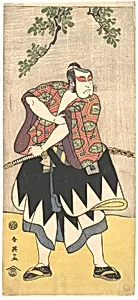
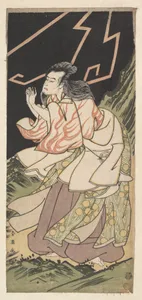
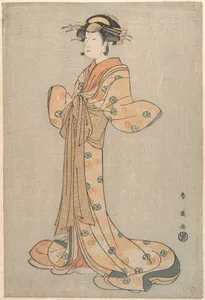
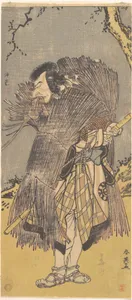
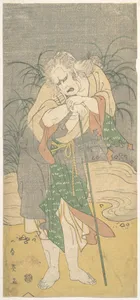
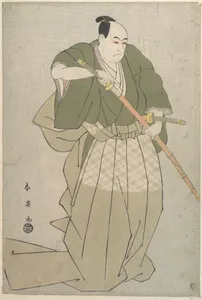
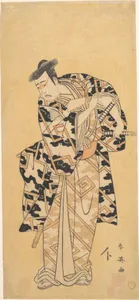
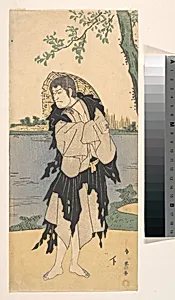
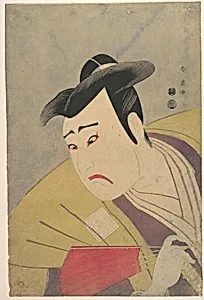
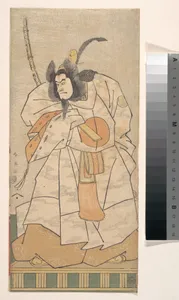
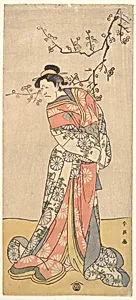
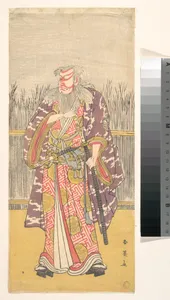
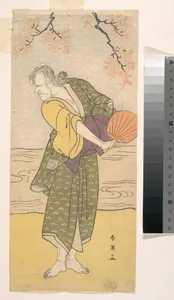
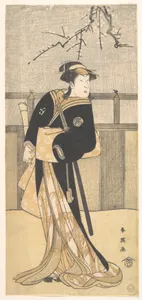
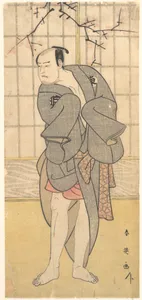
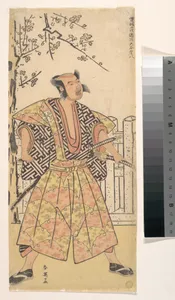
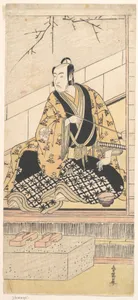
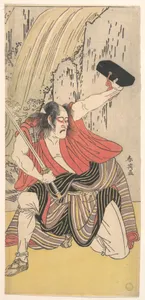
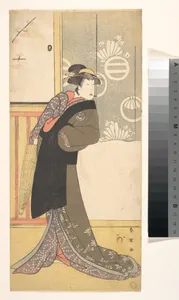
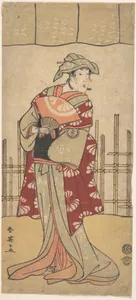
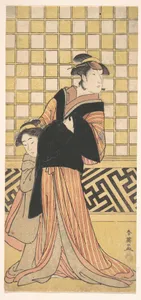
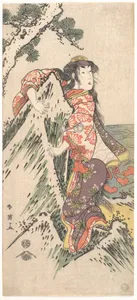
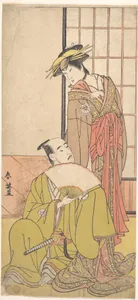
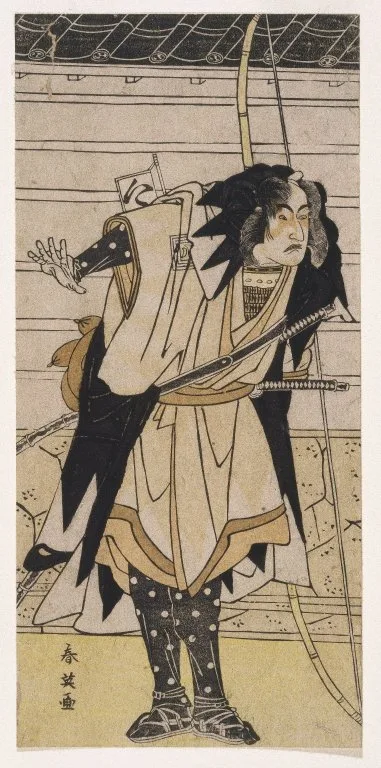
Katsukawa Shun'ei (1762–1819) was a Japanese ukiyo-e artist who succeeded his master Katsukawa Shunshō as head of the Katsukawa school around 1800, continuing and advancing the school's innovations in kabuki actor portraiture. Born on December 13, 1762, into a landlord family with the surname Isoda, Shun'ei trained under Shunshō from his youth and became one of the most accomplished designers of yakusha-e (actor prints) in late 18th-century Japan. His artistic innovations included pioneering the ōkubi-e (large head) bust portrait format as early as 1791, creating dramatic close-up images that captured actors' expressions with unprecedented intimacy and psychological depth. Beyond theatrical prints, Shun'ei demonstrated versatility through his musha-e (warrior prints), sumo wrestler depictions, and contributions to kabuki reference works. As a man of diverse interests who engaged in Japanese-style painting, illustration, and music while maintaining keen interest in kabuki theater, Shun'ei exemplified the cultured ukiyo-e artist who bridged popular entertainment and elite cultural traditions.
Shun'ei was born on December 13, 1762. His real surname was Isoda, and his father, Isoda Jirōbei, was a landlord, suggesting respectable economic circumstances. The family's status provided resources for artistic education and cultural engagement.
He received training in ukiyo-e printmaking at the renowned Katsukawa school under the guidance of Katsukawa Shunshō, the school's founder and head. His earliest known work dates to 1778, when he was only sixteen years old, indicating precocious talent and early entry into artistic production.
Under Shunshō's tutelage, Shun'ei learned the Katsukawa school's innovative approach to actor portraiture—the emphasis on realistic individual likenesses rather than generic types that had revolutionized yakusha-e. He also absorbed the school's systematic approaches to composition, particularly in theatrical subjects.
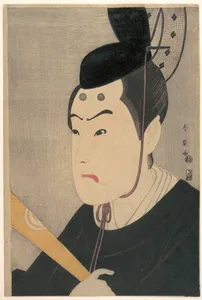
During this period of artistic maturation, Shun'ei designed mainly yakusha-e portraits of kabuki actors, building on his master's innovations while developing his own distinctive contributions. His most significant innovation came as early as 1791, when he began producing ōkubi-e—dramatic bust portraits that showed actors' heads and shoulders in close-up.
These large-head portraits represented a bold compositional innovation. By eliminating background and focusing entirely on the actor's face and expression, ōkubi-e created unprecedented intimacy and psychological intensity. The format allowed detailed rendering of facial features, makeup, and the subtle expressions through which kabuki actors conveyed character and emotion.
Together with Toyokuni I, Shun'ei illustrated the five-volume kabuki guide 'Shibai kinmō zue' (Illustrated Guide to the Theatre), contributing to the documentation and popularization of kabuki culture. This collaborative project demonstrated his standing within the ukiyo-e community and his expertise in theatrical subjects.
Beyond actor prints, Shun'ei also made musha-e (warrior prints) depicting samurai and historical military figures, and prints of sumo wrestlers—another form of popular entertainment closely linked to kabuki in Edo culture. This versatility showed his ability to handle different subject matter while maintaining consistent quality.
Described by scholar Laurance Roberts as a man of diverse interests, Shun'ei engaged not only in ukiyo-e design but also in Japanese-style painting (different from the popular ukiyo-e tradition), illustration, and music, while maintaining keen interest in kabuki theater. This breadth of cultural engagement distinguished him from purely commercial print designers.
Around 1800, following Katsukawa Shunshō's death, Shun'ei succeeded his master as head of the Katsukawa school. This leadership position made him responsible for maintaining the school's reputation, training new students, and continuing the innovations that had made Katsukawa the preeminent school for theatrical prints.
His most prominent students during this period were Katsukawa Shuntei and Katsukawa Shunsen, who would carry forward the Katsukawa tradition. Through his teaching, Shun'ei ensured the transmission of the school's technical methods and artistic principles to a new generation.
As school head, Shun'ei continued his own productive output while managing the workshop and guiding students. His ōkubi-e format, pioneered in the 1790s, became increasingly influential and was adopted by other artists and schools, becoming a standard format for actor portraiture.
Shun'ei died in 1819 at age 56, having spent his entire adult life advancing the Katsukawa school's approach to theatrical imagery and expanding the visual vocabulary of ukiyo-e through his innovations in composition and format.
Artheon Research Team
Last updated: 2025-11-09
Biography length: ~1,078 words
Wikidata/Wikimedia Commons