Ctrl K
**Kinkozan** refers to the renowned Kinkōzan family workshop of Kyoto potters, active from 1645 until its closure around 1927. Originally known under the Kobayashi family name, the workshop received the Kinkozan designation in the 18th century from the Tokugawa shogunate. It specialized in Satsuma ware, particularly the elaborately decorated Kyoto (Kyō-Satsuma) style featuring ivory-bodied earthenware with intricate overglaze enamel paintings, gold detailing, and crackled glazes.
The most productive era came under Kinkōzan Sōbei VI (1824–1884) and his son Kinkōzan Sōbei VII (1867–1927). Sōbei VI began significant exports in 1875, especially to American markets, while Sōbei VII expanded the operation into one of the largest producers of Satsuma export ware. The workshop innovated with new colors, forms, and techniques, collaborating with Western experts such as the German chemist Gottfried Wagener. In 1896, Sōbei VII co-founded the Kyoto City Ceramic Research Center to advance production methods and train artisans.
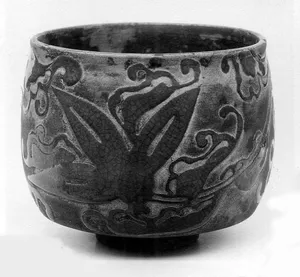
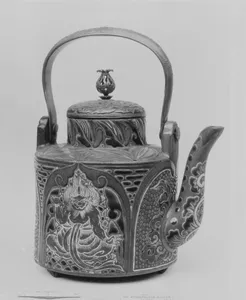
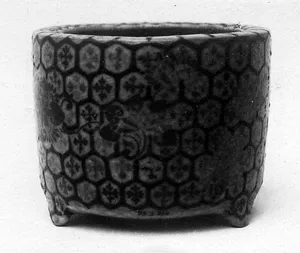
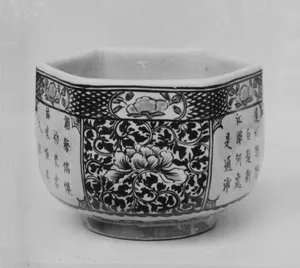
Kinkozan pieces often feature densely packed floral motifs, genre scenes, landscapes, and figures rendered in vibrant enamels with generous gold application. Notable examples include finely painted bowls and vases from the 19th and early 20th centuries held in collections such as the Metropolitan Museum of Art and the National Museum of Asian Art. The workshop also produced a more Western-influenced line under the “Royal Nishiki Nippon” mark.
Kinkozan’s legacy lies in its role as the foremost exporter of Satsuma ware during the Meiji and Taishō periods, helping popularize Japanese ceramics internationally while pushing technical and stylistic boundaries. Though mass production sometimes affected quality, the finest works remain celebrated for their craftsmanship and artistic ambition, influencing subsequent generations of Kyoto ceramicists.
All 4 artworks loaded