Ctrl K
1480–1542
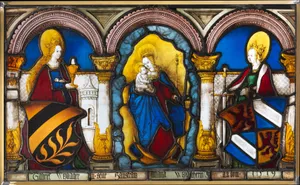
Leonhard Beck (c. 1480–1542) was a prominent painter, draftsman, and woodcut designer active in Augsburg, Germany, during the early Renaissance. Born into an artistic family, he was the son of the miniaturist Georg Beck, with whom he collaborated on two psalters for an Augsburg monastery around 1495. Beck began his training as an apprentice in the workshop of the esteemed Augsburg painter Hans Holbein the Elder, assisting on a significant altarpiece for the Frankfurt Dominican monastery between 1500 and 1501, now in the Städel Museum. He earned his master's rights in Augsburg in 1503, establishing himself in the vibrant local tradition of painting and graphic arts.
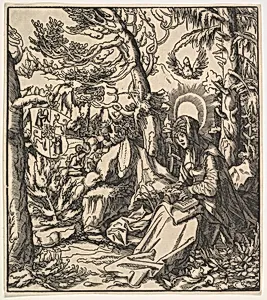
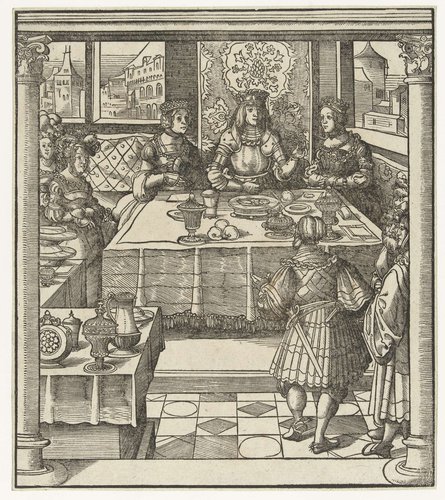
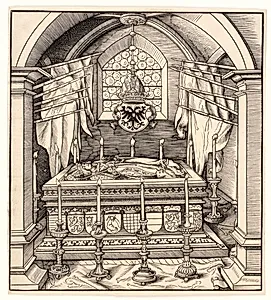
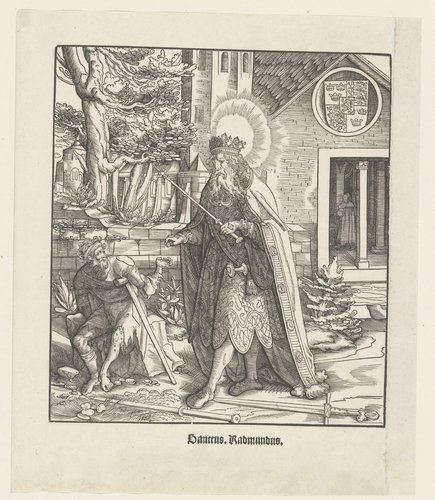
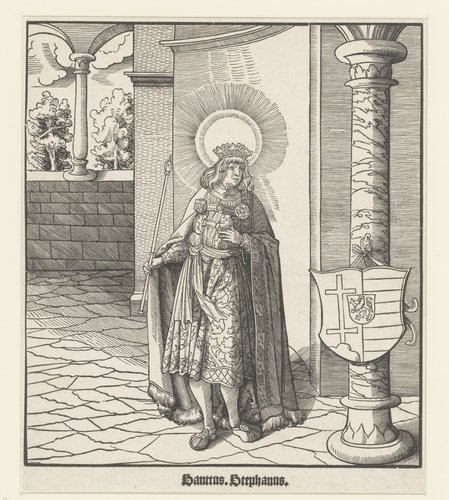
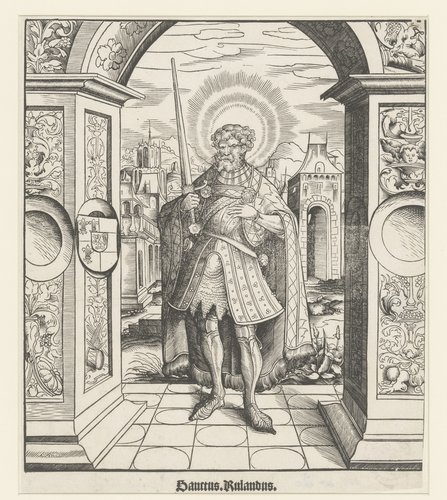
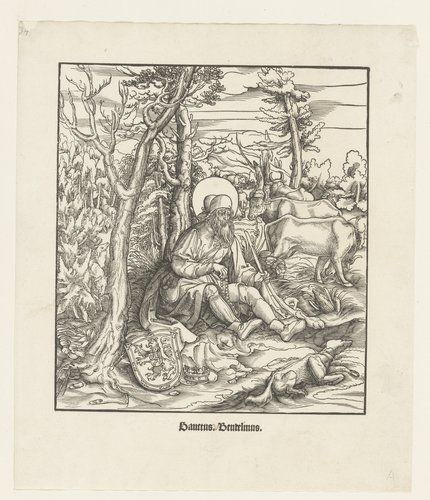
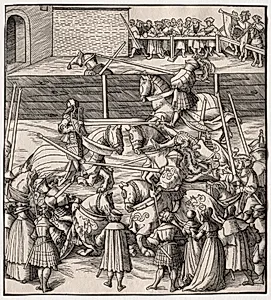
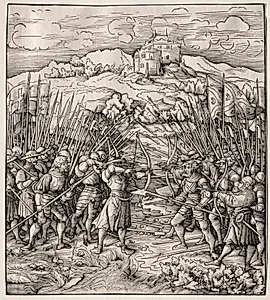
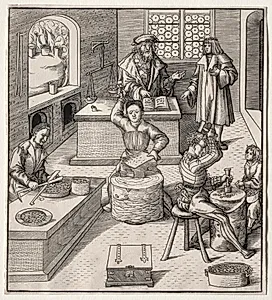
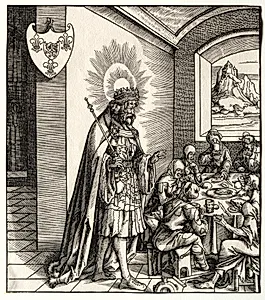
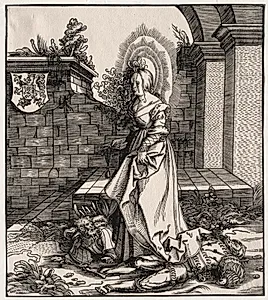
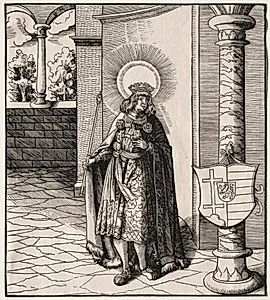
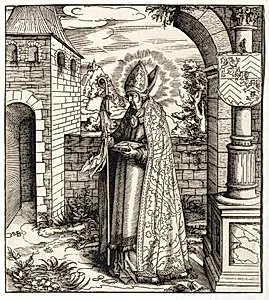
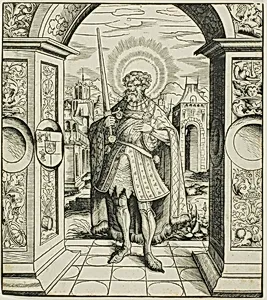
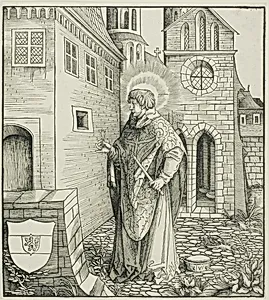
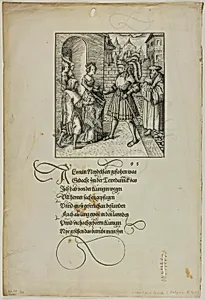
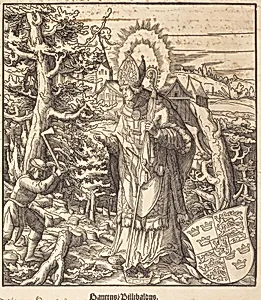
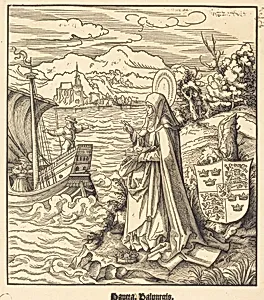
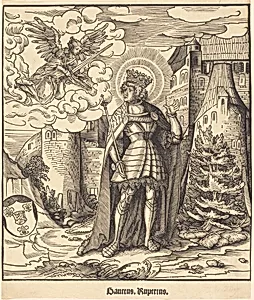
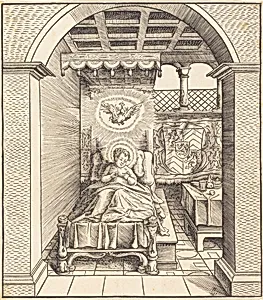
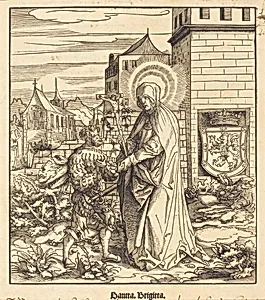
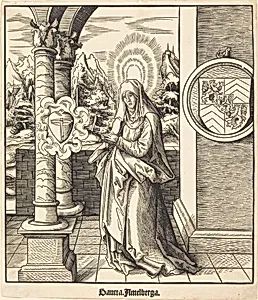
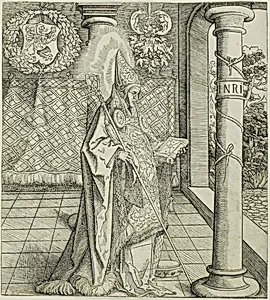
Beck's career peaked through his extensive contributions to Emperor Maximilian I's grandiose propaganda projects, collaborating with artists like Hans Burgkmair and Hans Schäufelein under humanist Conrad Peutinger's supervision. He designed 77 of the 118 woodcuts for the 1517 edition of *Theuerdank*, a chivalric poem celebrating Maximilian, and revised them for the 1519 second edition; produced 126 blocks for *Der Weisskunig* (c. 1514–1516); contributed seven to the *Triumphal Procession*; and created all 123 woodcuts for the *Genealogy of the House of Habsburg* (c. 1516–1518), depicting saintly ancestors like Saint Ita, Saint Leo, and Saint Walpurgis—many of which appear in museum collections today. His woodcut output exceeded 300 sheets, blending intricate narrative detail with heraldic flair.
While few paintings survive, Beck's *Saint George Fighting the Dragon* (c. 1515, Kunsthistorisches Museum, Vienna) exemplifies his dynamic style, indebted to Burgkmair yet distinctly his own in its energetic figures and landscape integration. Previously misattributed to his mentor's circle, Beck's independent voice emerged in late-19th-century scholarship. His fusion of Swabian precision with imperial spectacle influenced Augsburg's graphic tradition, bridging painting and printmaking in the Northern Renaissance.