Ctrl K
1855
Lloyd Charles Lemcke was an American artist active around 1935, best known for his contributions to the Index of American Design, a Federal Art Project initiative under the Works Progress Administration (WPA) that aimed to document the nation's folk crafts and vernacular objects through precise artistic renderings. Little is known about Lemcke's early life or formal training, as biographical details remain sparsely documented in available sources. No records of specific teachers, art schools, or family relationships have surfaced, leaving his personal background enigmatic amid the broader context of Depression-era artistic endeavors.
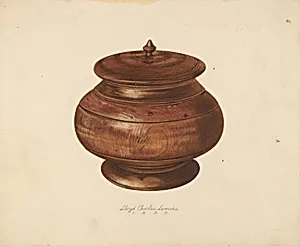
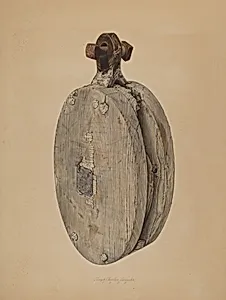
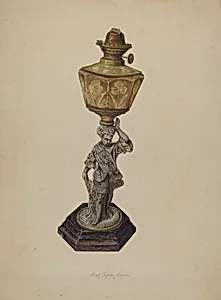
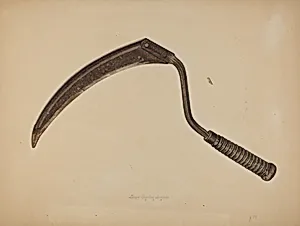
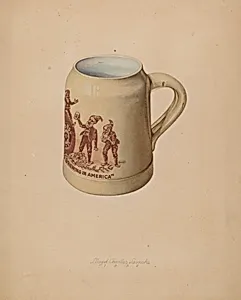
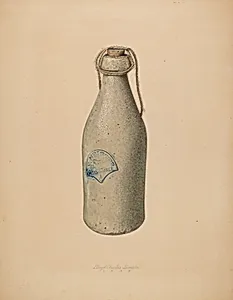
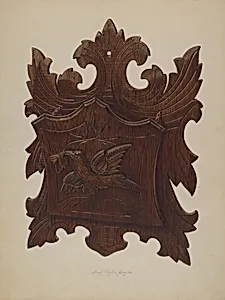
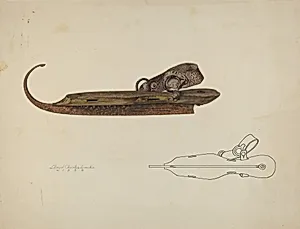
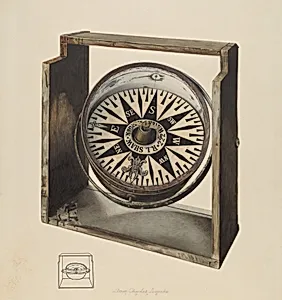
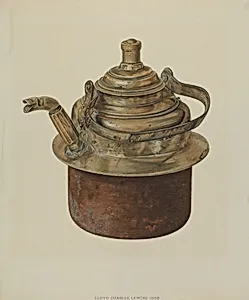
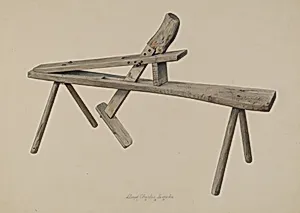
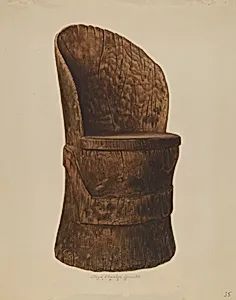
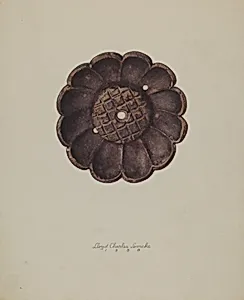
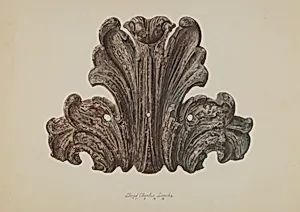
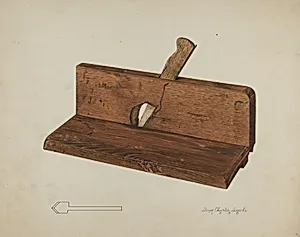
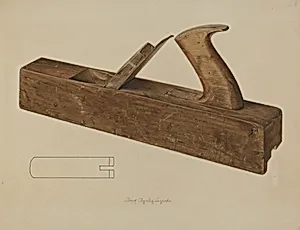
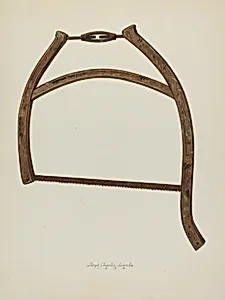
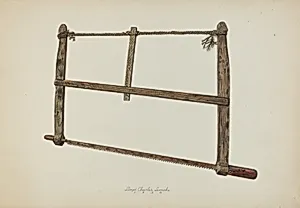
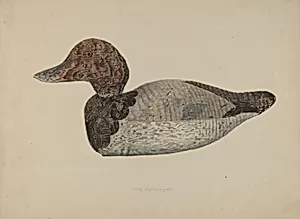
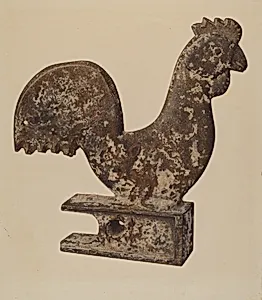
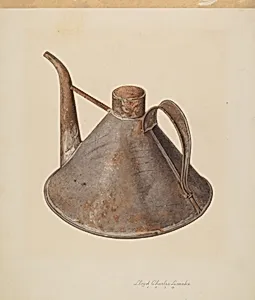
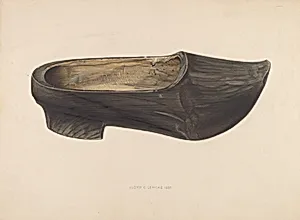
Lemcke worked in a hyper-realistic style, employing watercolor, graphite, colored pencil, and occasionally pen and ink on paperboard to capture the intricate details of everyday American artifacts. His pieces reflect the Index's mission to celebrate utilitarian design traditions, blending technical accuracy with subtle artistic interpretation to highlight textures, forms, and historical craftsmanship. Rather than aligning with a particular avant-garde movement, Lemcke's output embodies the documentary ethos of American regionalism and folk art preservation during the 1930s.
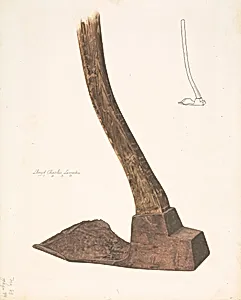
Among his major works, preserved in the National Gallery of Art's collection of 36 pieces, are meticulous depictions such as *Wood Carver's Bench* (1938), a detailed rendering of a craftsman's tool-laden workstation; *Witch Lantern* (1937), evoking colonial-era whimsy; *Adze* (1938), showcasing woodworking precision; *Spice Box* (1939); and *Hand Sickle* (1939), which illustrate farming implements with faithful attention to wear and materiality. These watercolors transform humble objects—tools, pottery like stoneware beer mugs, furniture, and household wares—into visual archives of pre-industrial American life.
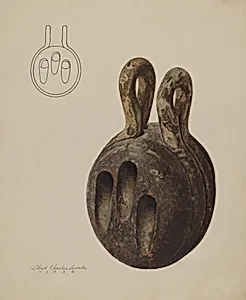
Lemcke's legacy endures through the Index of American Design, which has informed generations of scholars, designers, and historians about the diversity of U.S. material culture. His anonymous yet invaluable role in this WPA effort underscores the power of collaborative public art projects to safeguard cultural heritage, ensuring that forgotten crafts like coopers' tools and nautical blocks remain vividly accessible today.