Ctrl K
1717–1806
**Louis Carrogis Carmontelle** (15 August 1717 – 26 December 1806) was a multifaceted French artist, dramatist, architect, and inventor whose career bridged the worlds of courtly entertainment and innovative visual arts during the Rococo era. Born in Paris to a modest family—his father worked as a bootmaker—he rose through talent and wit from humble origins to serve prominent noble households. He studied drawing and geometry, qualifying as an engineer by age twenty-three, and began his professional life teaching these subjects to the children of the Duc de Chevreuse and Duc de Luynes at the Château de Dampierre.
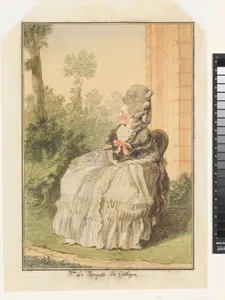
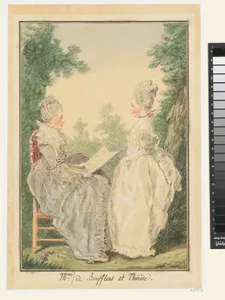
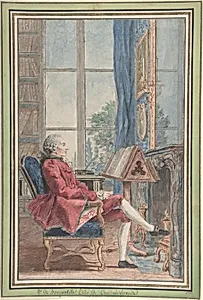
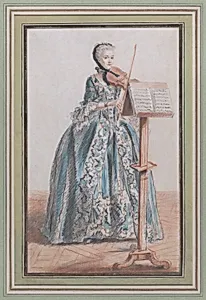
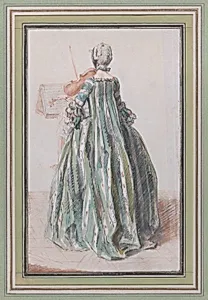
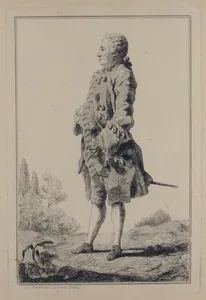
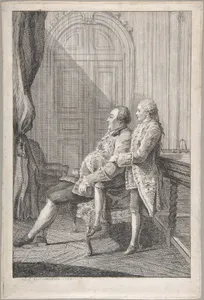
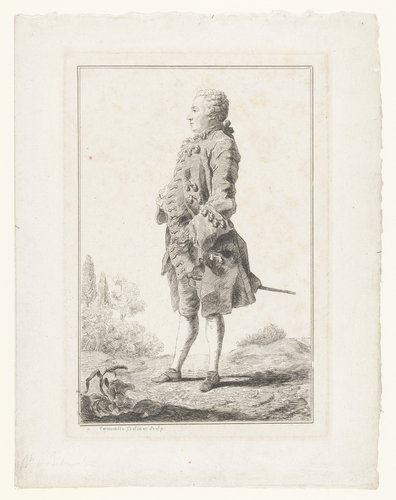
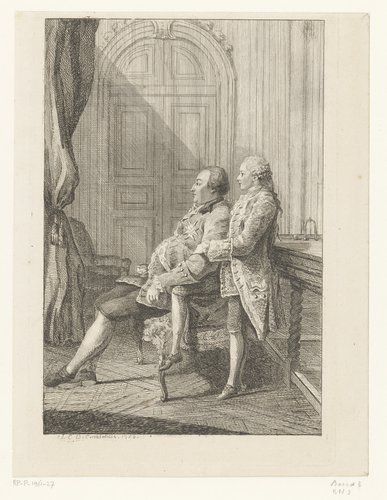
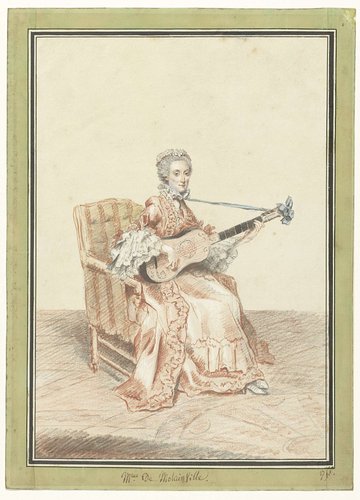
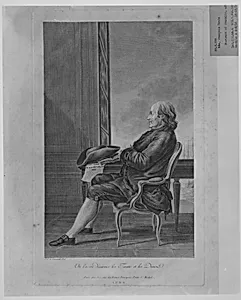
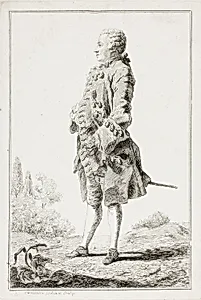
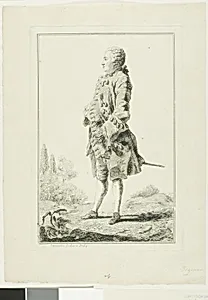
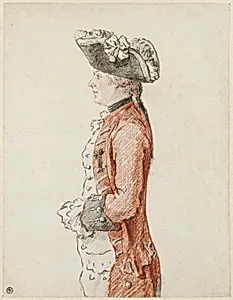
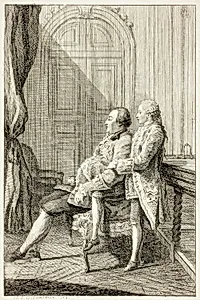
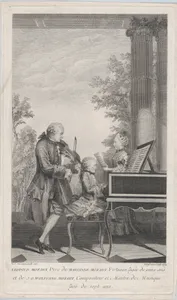
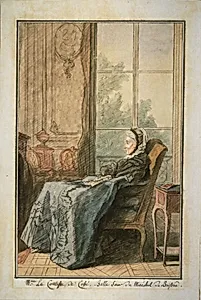
Carmontelle’s artistic practice centered on swift, insightful portraits executed in pen and watercolor, often completed in under two hours. These works captured the likenesses and personalities of French nobility, courtiers, intellectuals, and visiting luminaries with a light, elegant Rococo sensibility. Among his most celebrated drawings is the 1763 watercolor depicting the young Wolfgang Amadeus Mozart at the keyboard alongside his father Leopold and sister Maria Anna. Other notable portraits include those of composer Jean-Philippe Rameau (1760), writer Laurence Sterne (c. 1762), philosopher Baron d’Holbach, and Pierre Victor, Baron de Besenval (1780 etching). He also produced a self-portrait in 1762.
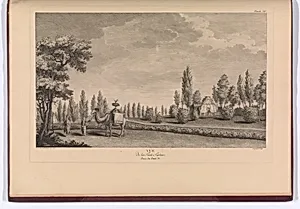
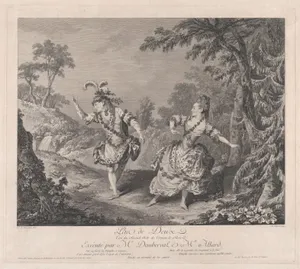
Beyond painting, Carmontelle excelled as a playwright and theatrical designer in the service of the Orléans family, particularly under Louis Philippe I, Duke of Orléans, and later the Duc de Chartres. He created the genre of the *proverbe dramatique*—short, witty scenes meant to spark improvisation—and designed scenery, costumes, and performances. His most enduring architectural legacy is the design of the Parc Monceau (originally the Folie de Chartres) between 1773 and 1778, a pioneering French landscape garden featuring eclectic *fabriques* that evoked antiquity, exotic cultures, ruins, and rustic idylls to delight and surprise visitors. In his later years, he pioneered “décors transparents animés,” long painted landscape scrolls viewed through a lighted box, an early precursor to cinematic animation; examples such as “Landscapes of France” survive today.
Carmontelle also tutored the future King Louis-Philippe and his sister Adélaïde in drawing. His legacy endures through his vivid portraits of Enlightenment-era figures, his innovative garden that remains a beloved Parisian landmark, and his forward-looking experiments with moving images, all of which reflect a playful yet sophisticated engagement with the visual and performing arts of his time.