Ctrl K
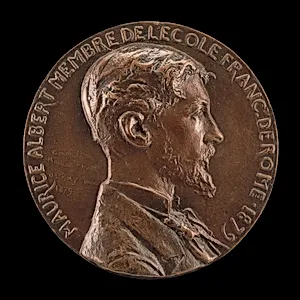
1846–1911
Louis-Oscar Roty, commonly known as Oscar Roty (1846–1911), was born on June 11 in Paris's Belleville neighborhood, the son of a modest schoolmaster. He began his artistic training under Horace Lecoq de Boisbaudran at the Petite École (later the École des Arts Décoratifs), honing his drawing skills, before entering the École des Beaux-Arts in 1864. There, he studied sculpture and medal engraving under the influential medallist Hubert Ponscarme—his primary mentor, credited with revitalizing the field—and Augustin-Alexandre Dumont. Roty's early competitions for the Prix de Rome in medal engraving yielded an honorable mention in 1869, second place in 1872, and the Grand Prix in 1875, earning him three years in Rome where he produced works like "Arts Applied to Industry."
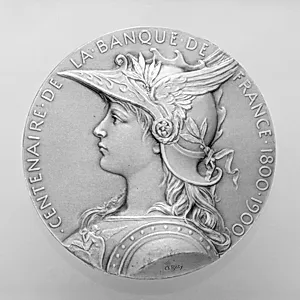
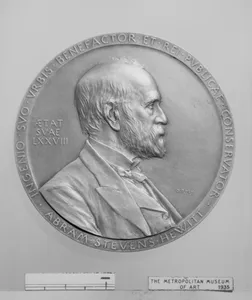
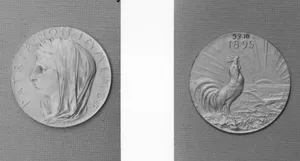
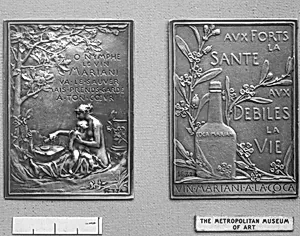
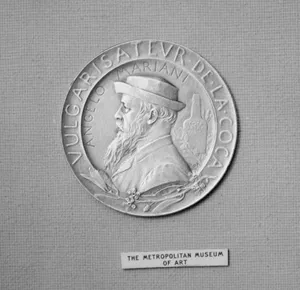
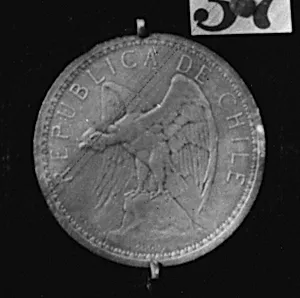
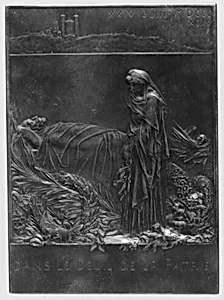
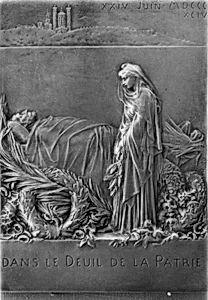
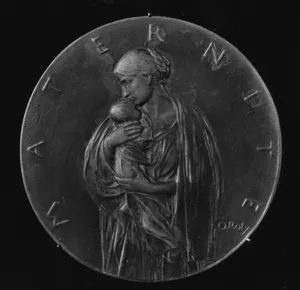
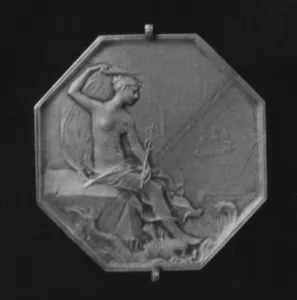
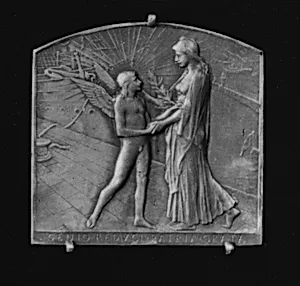
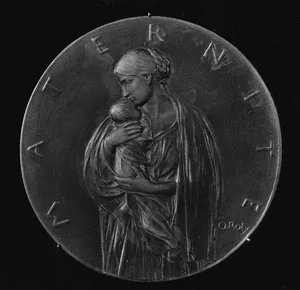
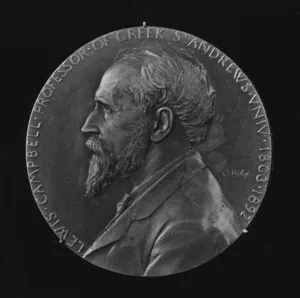
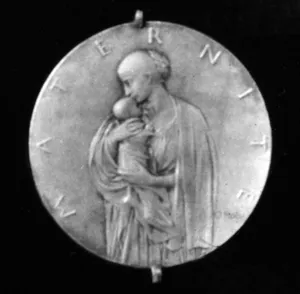
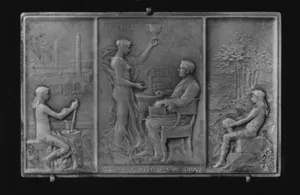
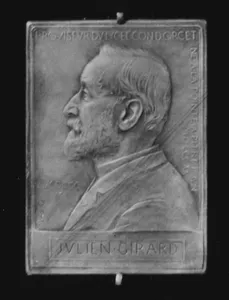
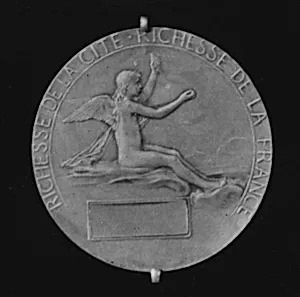
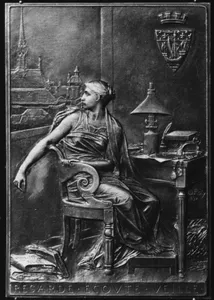
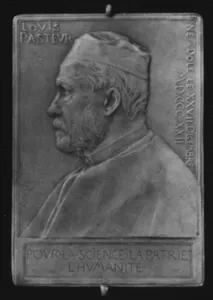
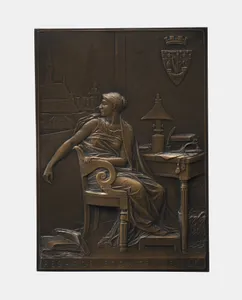
A pioneer of Art Nouveau medallic art, Roty revolutionized the medium by abandoning traditional rims—as in his 1867 Naudet medal—and embracing the Renaissance plaquette form, blending graceful figures, landscapes, and integrated backgrounds into sculptural reliefs. He designed over 140 medals, including the iconic *La Semeuse* (The Sower) in 1886–1897, commissioned for the Ministry of Finance and immortalized on French silver coins from 1897 and postage stamps from 1903; the 25th anniversary *Patria* for the Third Republic; the Lens Mining Company medal (1899); Louis Pasteur's 70th birthday; and the Madagascar expedition (1895). Other masterpieces feature portraits like Sir John Pope Hennessy and Pierre Boulanger (his father-in-law, married 1878), alongside public reliefs such as *La Peinture* and *La Musique* for Paris City Hall.
Roty's accolades peaked with Grand Prix at the 1889 and 1900 Expositions Universelle, election as professor (1888) and president (1897) of the Académie des Beaux-Arts, and Legion of Honor promotions to Commander (1900). His legacy endures in museums worldwide, including the Musée d'Orsay and the Musée Oscar Roty in Jargeau—founded by his son Georges—where his innovations elevated medals from currency to high art, influencing generations of engravers.