Ctrl K
1799–1872
Louis-Pierre-Théophile Dubois de Nehaut (1799–1872) was a French artist and early enthusiast of photography whose career bridged the worlds of traditional draughtsmanship and the new mechanical image-making technologies that transformed visual culture in the nineteenth century. Trained in the conventions of French academic art, he possessed the skills of a practiced draughtsman before turning his attention to the possibilities opened by the invention of photography.
Dubois de Nehaut became an early practitioner of the calotype and related photographic processes, experimenting with the medium in the 1840s and 1850s as it was still being refined by its inventors and first adopters across Europe. His background in drawing gave him a cultivated eye for composition and light, qualities that informed his photographic work and distinguished it from the more mechanical productions of contemporaries who lacked his formal artistic training.
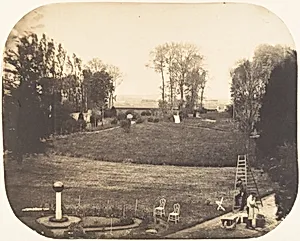
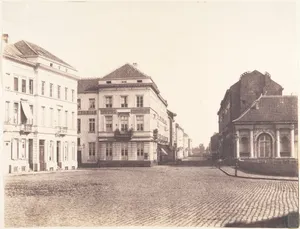
His photographs and graphic works reflect an interest in architecture, landscape, and the documentation of places, subjects well suited to the capacities of early photography. Working in a period when the artistic status of photography was actively debated, Dubois de Nehaut occupied the intersection between fine art and the new science of the image, a position shared by a small but significant group of artist-photographers in mid-nineteenth-century France.
Though not among the most celebrated names of early French photography, Dubois de Nehaut deserves recognition as part of the pioneering generation that established the aesthetic and technical foundations on which subsequent photographic art was built. His works offer valuable evidence of how trained artists approached and shaped the new medium in its formative years.
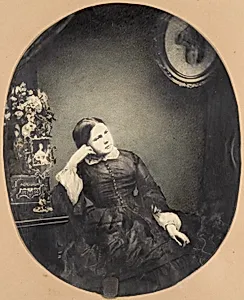
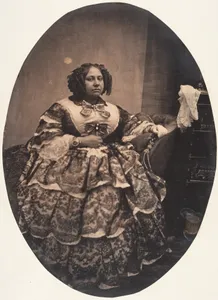
![[The Bear Enclave, Zoological Gardens, Brussels]](https://images.artheonmuseum.org/met/ph/thumb/the-bear-enclave-zoological-gardens-brussels-287256.webp)
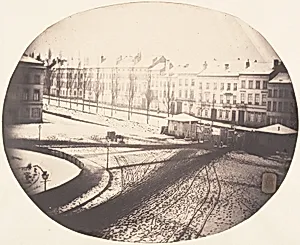
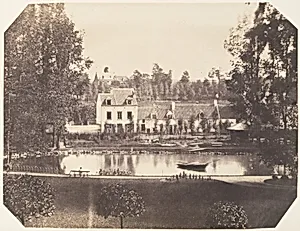
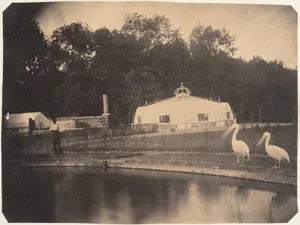
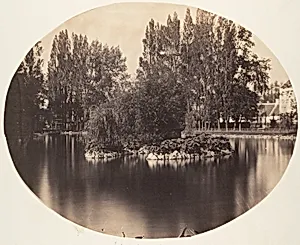
![[Heron Pond, Zoological Gardens, Brussels]](https://images.artheonmuseum.org/met/ph/thumb/heron-pond-zoological-gardens-brussels-287259.webp)
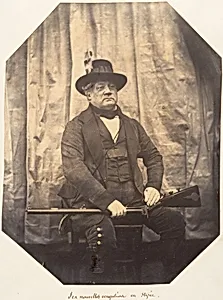
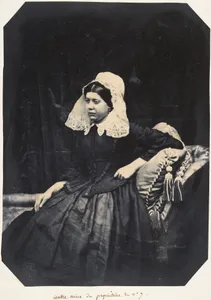
![[Elderly Lady Sitting]](https://images.artheonmuseum.org/met/ph/thumb/elderly-lady-sitting-287244.webp)
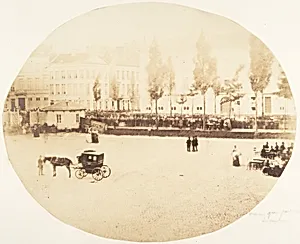
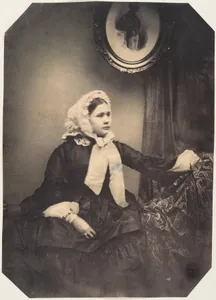
![[Elderly Lady Sitting]](https://images.artheonmuseum.org/met/ph/thumb/elderly-lady-sitting-287245.webp)
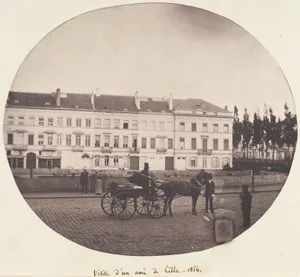
![[Women Stacking Carrots]](https://images.artheonmuseum.org/met/ph/thumb/women-stacking-carrots-286783.webp)