Ctrl K

1800
**Louis Prang (1824–1909)** was a pioneering American printer, lithographer, and publisher whose innovations in color printing and commitment to art education left a lasting mark on American visual culture. Born on March 12, 1824, in Breslau, Prussia (now Wrocław, Poland), to a textile manufacturer father of French Huguenot descent, Prang apprenticed under his father, mastering engraving, calico dyeing, and printing. He traveled through Europe in the 1840s, studying chemistry and printing techniques, before participating in the 1848 revolutions, which forced him to flee. He arrived in the United States in 1850 and settled in Boston, where he married Rosa Gerber in 1851.
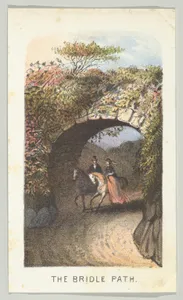
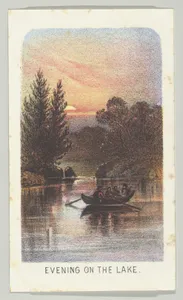
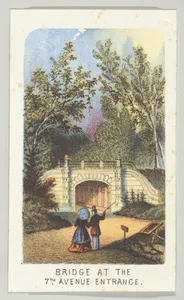
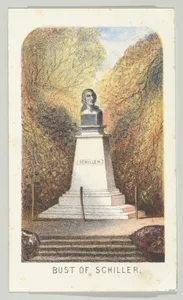
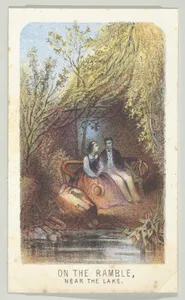
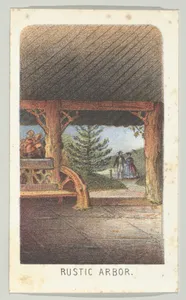
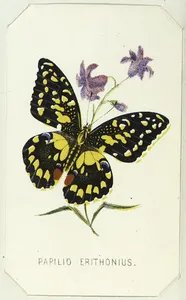
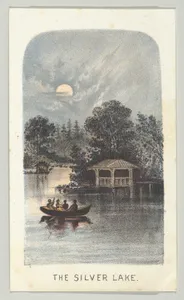
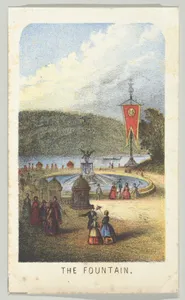
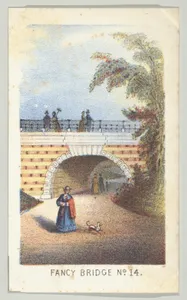
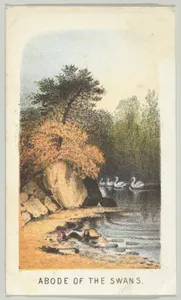
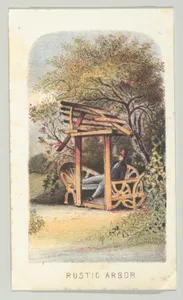
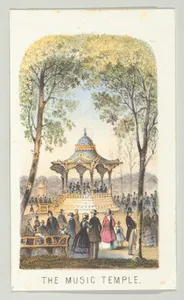
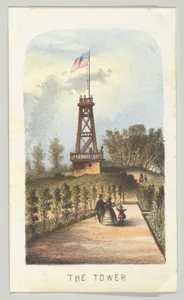
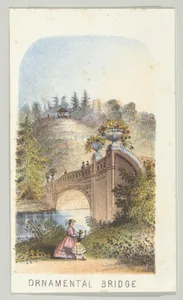
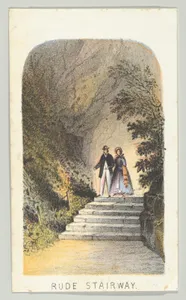
Prang’s early career involved wood engravings and publishing before he partnered with Julius Mayer in 1856 to form Prang & Mayer, specializing in lithographs. After buying out his partner in 1860, he established L. Prang & Company, which gained prominence during the Civil War by producing timely maps and illustrations of battles, such as those of Charleston Harbor. He later pioneered high-quality chromolithographs—multi-stone color prints that faithfully reproduced artworks—after studying European techniques in 1864. These “chromos” made fine art accessible to the public, though they sparked debate about originality. Prang also popularized album cards and, in 1875, introduced the first commercial Christmas cards in America, earning him the title “father of the American Christmas card.”
Beyond commercial success, Prang championed art education. From the 1860s onward, his firm published drawing manuals, instructional cards, and textbooks for schools and kindergartens. After his first wife’s death, he married educator Mary Dana Hicks in 1900; together they promoted art instruction nationwide. The company merged in 1897, and Prang spent his later years traveling to advocate for his educational materials. He died of pneumonia on June 15, 1909, in Los Angeles.
Prang’s legacy endures through the greeting-card industry’s annual Louie Awards, the continued use of his art-supply brand, and his role in democratizing art via affordable, high-quality prints. His support for female artists and emphasis on public art education helped shape American cultural institutions in the late nineteenth century.