Ctrl K
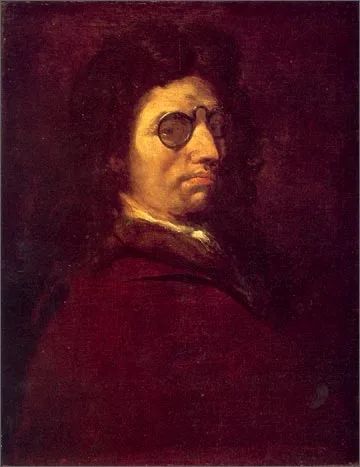
1634–1705
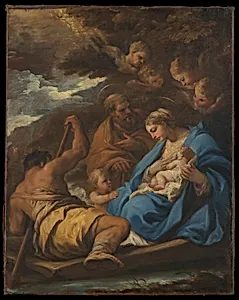
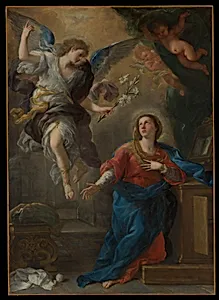
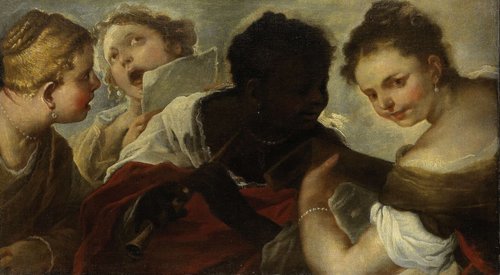
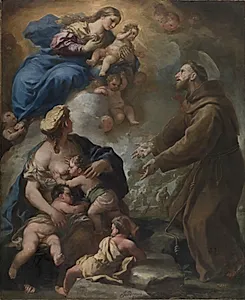
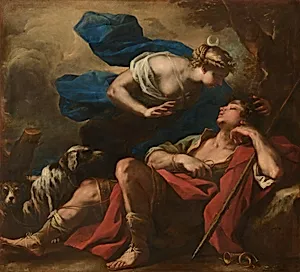
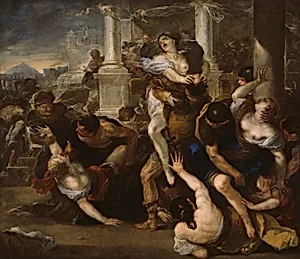
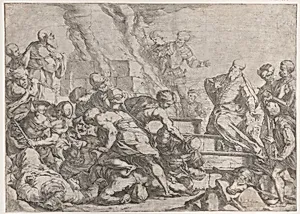
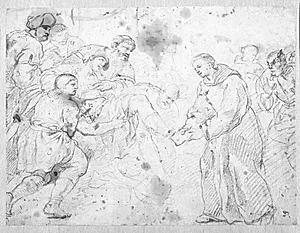
Luca Giordano (1634–1705) was an Italian painter of the late Baroque period who was one of the most prolific and versatile artists of the seventeenth century, earning the nickname "Luca fa presto" ("Luca works fast") for his extraordinary speed of execution. Born in Naples, he studied under José de Ribera and traveled extensively in Italy, absorbing influences from the Venetian colorists, Pietro da Cortona, and the Roman Baroque tradition.
Giordano's ability to work in multiple styles was legendary. He could convincingly imitate the manner of almost any painter — from Dürer to Veronese to Rubens — and his virtuosity in adapting his style to suit different commissions was unmatched in his era. This chameleon-like versatility, combined with his phenomenal speed, made him one of the most sought-after painters in Europe.
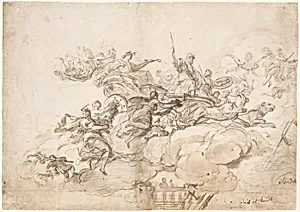
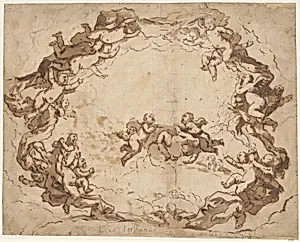
His major works include vast ceiling frescoes in Naples (the Chiesa dei Girolamini, the treasury of the Certosa di San Martino), the Palazzo Medici-Riccardi in Florence (the Allegory of the Medici Dynasty, 1682–85), and the Escorial and Buen Retiro Palace in Madrid, where he worked from 1692 to 1702 at the invitation of King Charles II of Spain. These monumental decorative cycles, painted with dazzling color and illusionistic virtuosity, rank among the finest Baroque ceiling paintings.
Giordano's influence was substantial, particularly on the development of eighteenth-century decorative painting. His work is held by the Museo di Capodimonte, the Prado, the National Gallery in London, the Kunsthistorisches Museum in Vienna, and churches and palaces throughout Italy and Spain.