Ctrl K
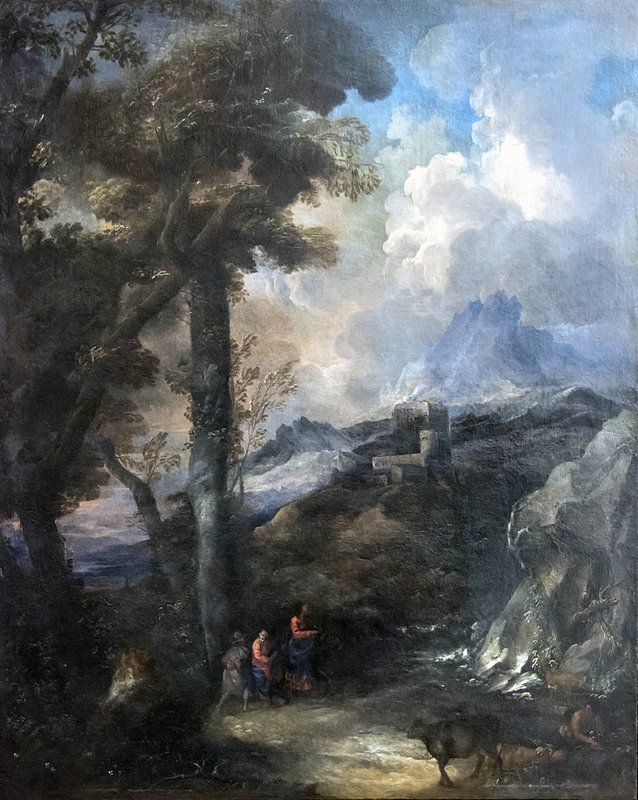
1676–1730
Marco Ricci (1676–1730) was born on June 6 in Belluno, in the Republic of Venice, into a family steeped in artistic tradition as the nephew of the renowned Baroque painter Sebastiano Ricci. He received his first instruction in art from his uncle, likely during a period in Milan from 1694 to 1696, before accompanying Sebastiano to Venice in 1696, from which he soon fled amid personal troubles. Ricci honed his skills in Rome, painting architectural perspectives, and drew influences from masters like Claude Lorrain, Gaspard Dughet, and Salvator Rosa, developing a distinctive naturalistic landscape style rooted in the Veneto tradition.
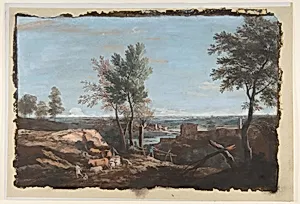
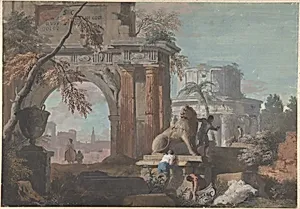
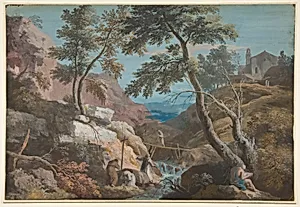
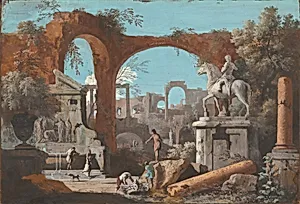
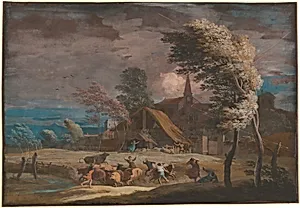
In late 1708, invited by British patrons including Charles Montagu, 4th Earl of Manchester, Ricci traveled to England, where he immersed himself in Dutch landscape painting en route and collaborated extensively with Giovanni Antonio Pellegrini on opera scenery at the Queen's Theatre in Haymarket, including sets for *Pyrrhus and Demetrius* and *Camilla*. He returned briefly in 1711 but rejoined his uncle Sebastiano in 1712 for commissions like six mythological canvases at Burlington House. Notable works from this period include the *Rehearsal of an Opera* for Charles Howard, 3rd Earl of Carlisle, and landscapes such as *Landscape with Woodcutters* (Victoria and Albert Museum). His output featured alpine pastorals, stormy scenes, ruined capricci, and village views, often in oil on canvas or innovative tempera on goatskin.
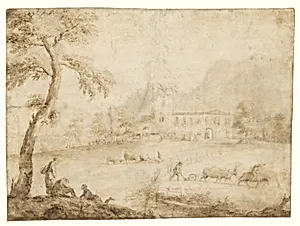
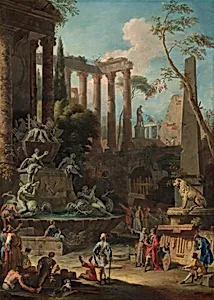
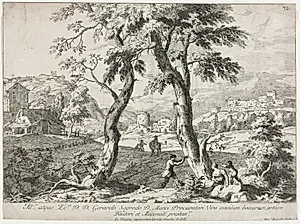
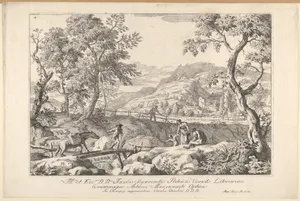
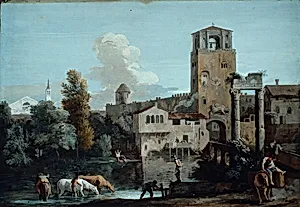
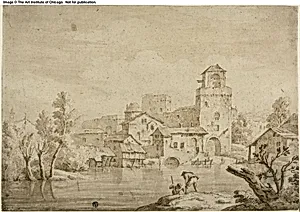
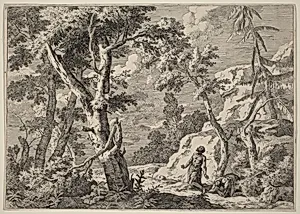
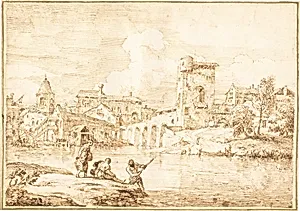
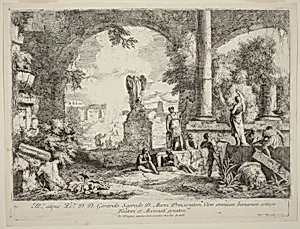
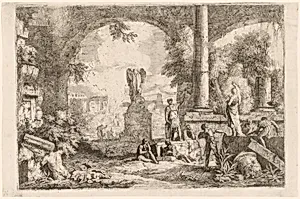
Back in Venice by 1716, Ricci lived with his uncle until 1730, producing a prodigious body of work in the 1720s, including collaborations on monumental figurative paintings and the 1726 pen-and-ink drawing *The House of Marco Ricci in the Bellunese*, depicting his mountain home gifted to a British patron. Key Venetian landscapes include *Landscape with River and Figures* (1715), *Waterfall*, and *Landscape with Mountain and Figures* (Gallerie dell'Accademia), alongside a series of twenty-three etchings from 1723 of ruins and views that anticipated Giovanni Battista Piranesi. Ricci pioneered a fresh Venetian landscape style blending Baroque drama with Rococo lightness, achieving international acclaim through patrons like Joseph Smith.
Ricci's pupils, such as Domenico Bernardo Zilotti and Giuseppe Valeriani, carried forward his innovations, cementing his legacy as a bridge between Venetian vedutismo and northern European influences, though his adventurous life—from exile to operatic stagecraft—has often overshadowed his technical brilliance in art history. He died in Venice in 1730 at age 53, leaving a vibrant corpus that continues to captivate with its luminous ruins and tempestuous skies.