Ctrl K
1895–1988
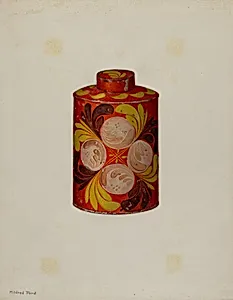
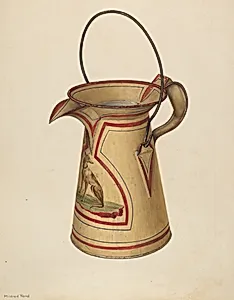
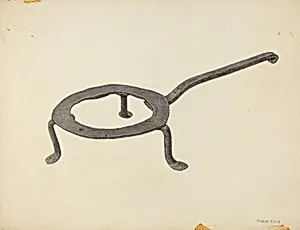
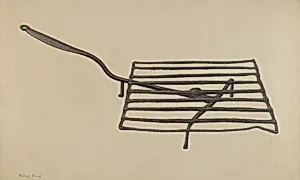
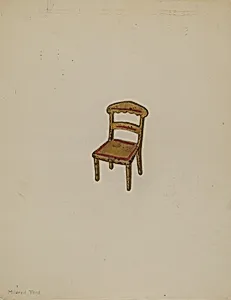
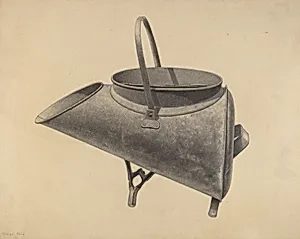
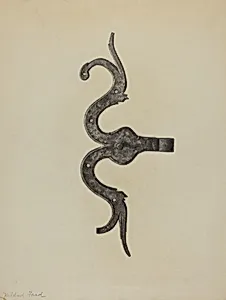
Mildred Ford (1895–1988) was an American artist whose career is indelibly linked to the Index of American Design, a monumental Works Progress Administration (WPA) project launched in the 1930s to document the nation's rich heritage of decorative arts and folk objects. Through her precise renderings, Ford helped preserve intricate details of everyday artifacts—from toleware utensils to Pennsylvania German crafts—that might otherwise have faded into obscurity. Active during a pivotal era of American cultural revival, her contributions form a vital record of pre-industrial craftsmanship, now housed prominently in the National Gallery of Art's collection of some 70 works.
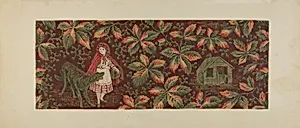
Little is known of Ford's early life or formal training, which remains sparsely documented in available sources. There are no records of specific teachers, art schools, or mentors who shaped her path, nor mentions of family influences in the artistic realm. What emerges clearly is her skill in technical drawing, honed to serve the IAD's mission of accurate replication. Working likely in New York, as suggested by artist registries, Ford produced studies in graphite, watercolor, gouache, and pen and ink on paper or paperboard, emphasizing functionality and folk aesthetics over personal expression. Her style aligns with the project's ethos: objective, hyper-detailed illustrations that celebrate regional traditions like tole-painted metalware and stenciled textiles.
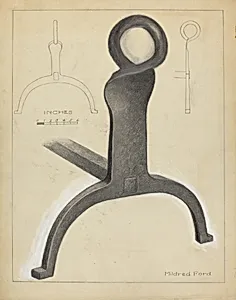
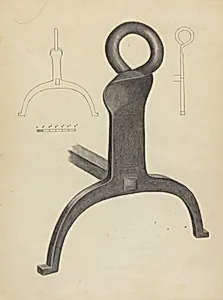
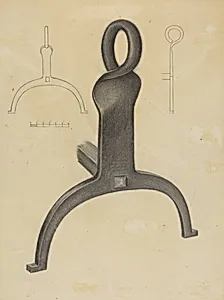
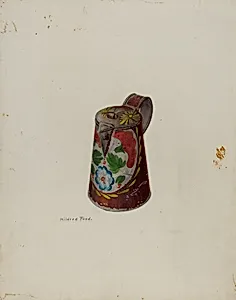
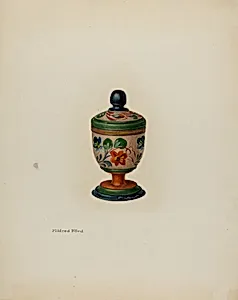
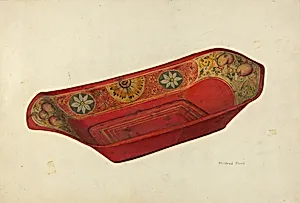
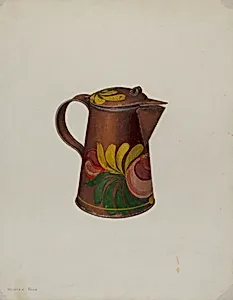
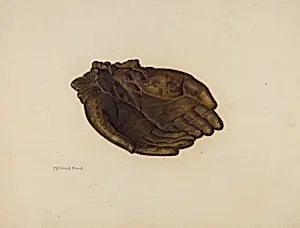
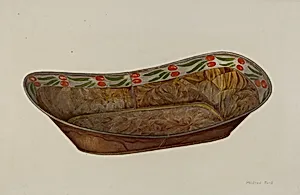
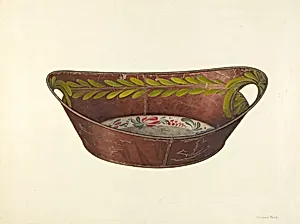
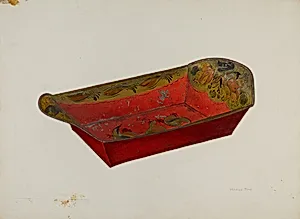
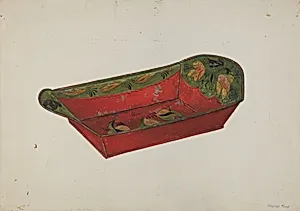
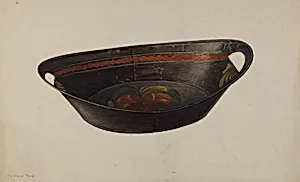
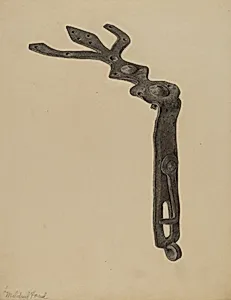
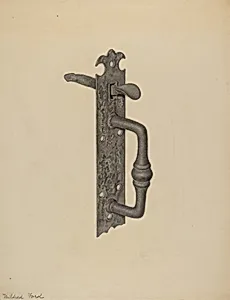
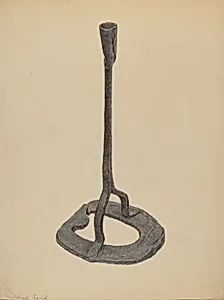
Among her standout works are the *Bread Tray* (c. 1941, watercolor, graphite, and gouache on paperboard), capturing the vibrant patterns of painted wooden serving ware; the *Pa. German Saffron Box* (c. 1941), a delicate tribute to spice containers from Pennsylvania Dutch communities; and the *Toleware Syrup Pot* (c. 1941–1942), showcasing japanned metal's glossy motifs. Other gems include *Andiron (One of Pair)* (c. 1936–1953, graphite and gouache) and *Visiting Card Tray* (c. 1941), each a testament to her ability to convey texture, color, and historical patina. These pieces, often multiple studies of the same object, reflect the IAD's rigorous documentation standards.
Ford's legacy endures through the enduring accessibility of her drawings, which educate generations on America's vernacular design legacy. By transforming utilitarian objects into artistic records, she bridged art history and cultural preservation, influencing studies of folk art today. Though her personal story eludes full illumination, her technical prowess ensures her place in the annals of 20th-century American artistry.