Ctrl K
1498–1554
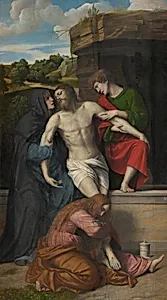
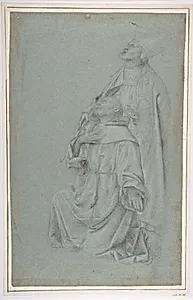
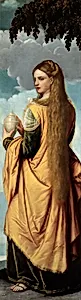
**Moretto da Brescia (Alessandro Bonvicino, c. 1498–1554)** was a leading Italian Renaissance painter based in Brescia, where he produced most of his work. Born in nearby Rovato, he trained initially under the local master Fioravante (or Floriano) Ferramola and absorbed influences from earlier Brescian artists such as Vincenzo Foppa. His style also reflects strong Venetian elements, particularly from Titian and Lorenzo Lotto, blending them with the naturalism typical of Lombard painting.
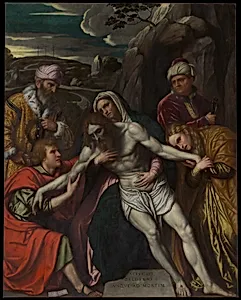
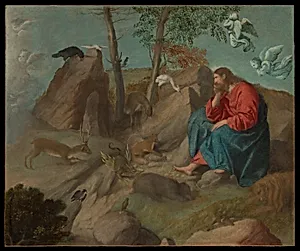
Moretto’s dated works span 1524 to 1554, though he was already recognized as a master by 1516, when he completed the organ wings for Brescia’s old cathedral. He specialized in large-scale religious altarpieces and devotional paintings for churches in Brescia and surrounding cities including Bergamo, Milan, and Verona. Notable commissions include a collaborative project with Lorenzo Lotto at Santa Maria Maggiore, *Five Virgin Martyrs* for San Clemente, and *Saint Nicholas of Bari Presenting Two Children to the Virgin* originally at Santa Maria dei Miracoli. His compositions often convey a dignified, sedate gravity, with careful attention to light, color, and realistic detail.
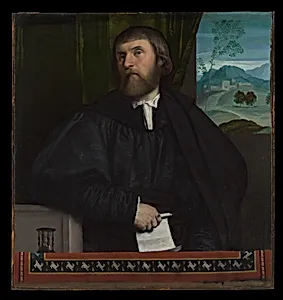
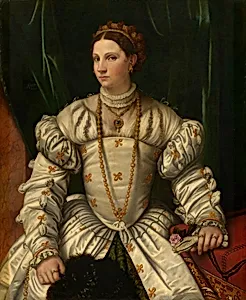
Alongside Girolamo Romanino, Moretto dominated Brescian painting in the early sixteenth century, when the city formed part of the Venetian territories. While religious works formed the core of his output, he also produced sensitive portraits. His art bridged High Renaissance ideals with regional traditions, earning him acclaim as one of Brescia’s most accomplished painters during his lifetime.
Moretto’s legacy endures through the many altarpieces that remain in their original ecclesiastical settings and through his influence on subsequent generations of northern Italian artists. His measured, harmonious style continues to be appreciated for its quiet emotional depth and technical refinement.