Ctrl K

1748–1795
Ralph Wood the Younger was born in Burslem, Staffordshire, in 1748, the son of the celebrated potter Ralph Wood the Elder and a member of a family that stood at the center of the Staffordshire ceramics industry during its most creative and internationally influential period. Growing up in the workshops of his father, he absorbed from childhood the technical traditions of English earthenware production and the particular specialty for which the Wood family became famous: the manufacture of richly glazed earthenware figures and decorative wares that combined popular appeal with genuine artistic quality.
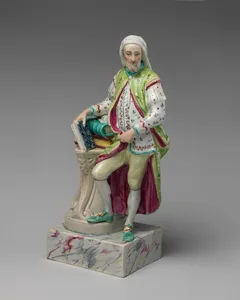
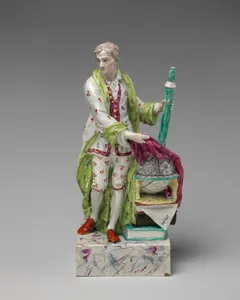
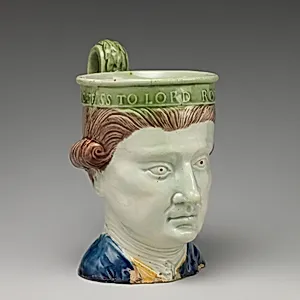
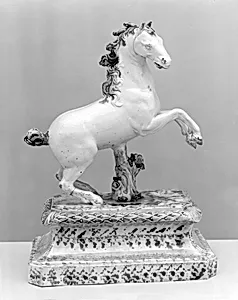
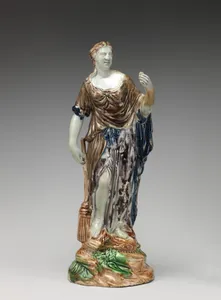
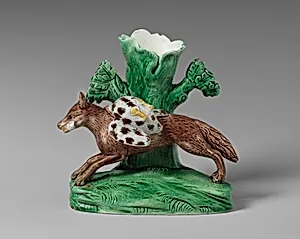
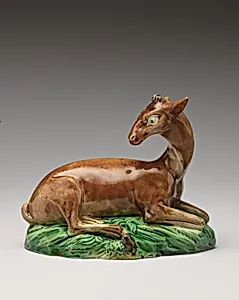
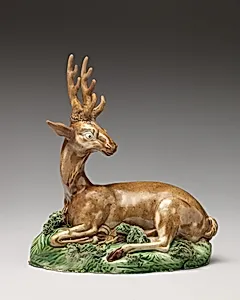
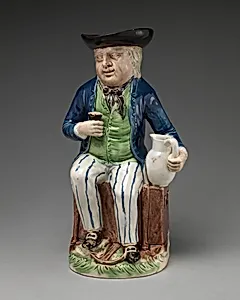
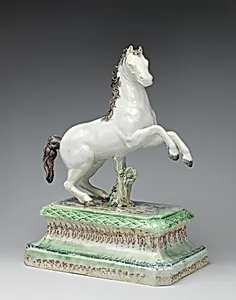
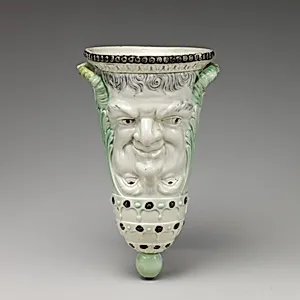
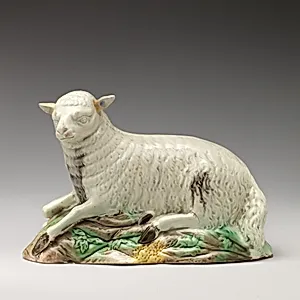
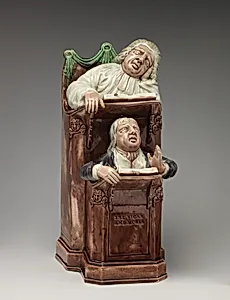
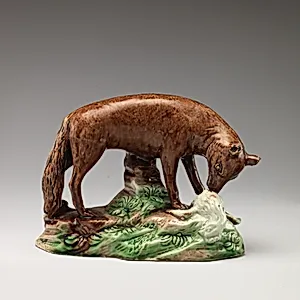
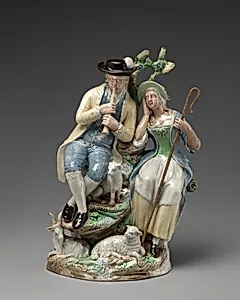
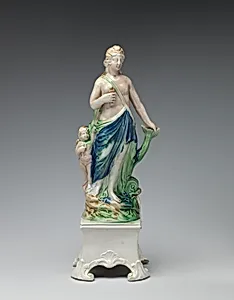
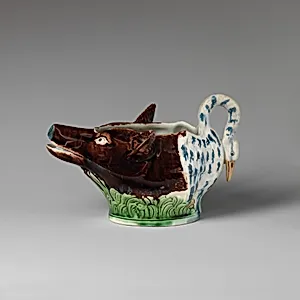
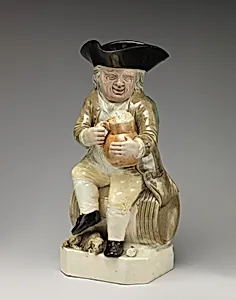
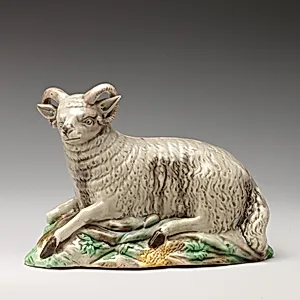
The Wood family pottery was distinguished above all by the quality of its colored lead glazes, and Ralph the Younger continued and developed this tradition, producing figures, toby jugs, and ornamental wares that displayed a range of warm, translucent colors — manganese purples, copper greens, ochres, and blues — applied with considerable skill. His figures, which depicted everything from classical subjects to English rural types, religious imagery, and portraits of celebrated contemporary figures, were produced for a broad middle-class market that was increasingly able to afford decorative ceramics for the home. The best of them show a lively sense of character and a refined sensitivity to color that elevates them well above mere commercial production.
The period of Ralph Wood the Younger's activity coincided with a broader transformation of the Staffordshire pottery industry, as manufacturers competed to develop new body types, glazes, and decorative techniques. His workshop participated in this ferment of innovation while maintaining the distinctive tradition of high-quality lead-glazed earthenware figures that defined the Wood family's reputation.
Ralph Wood the Younger died in 1795, and his work — particularly the finest of the family's colored-glaze figures — is now collected by major museums and private collectors of English ceramics. The Wood family's contribution to Staffordshire pottery is recognized as foundational to the development of the English ceramic tradition, and Ralph the Younger's pieces are valued both for their aesthetic quality and for their historical significance as documents of popular taste in Georgian England.