Ctrl K
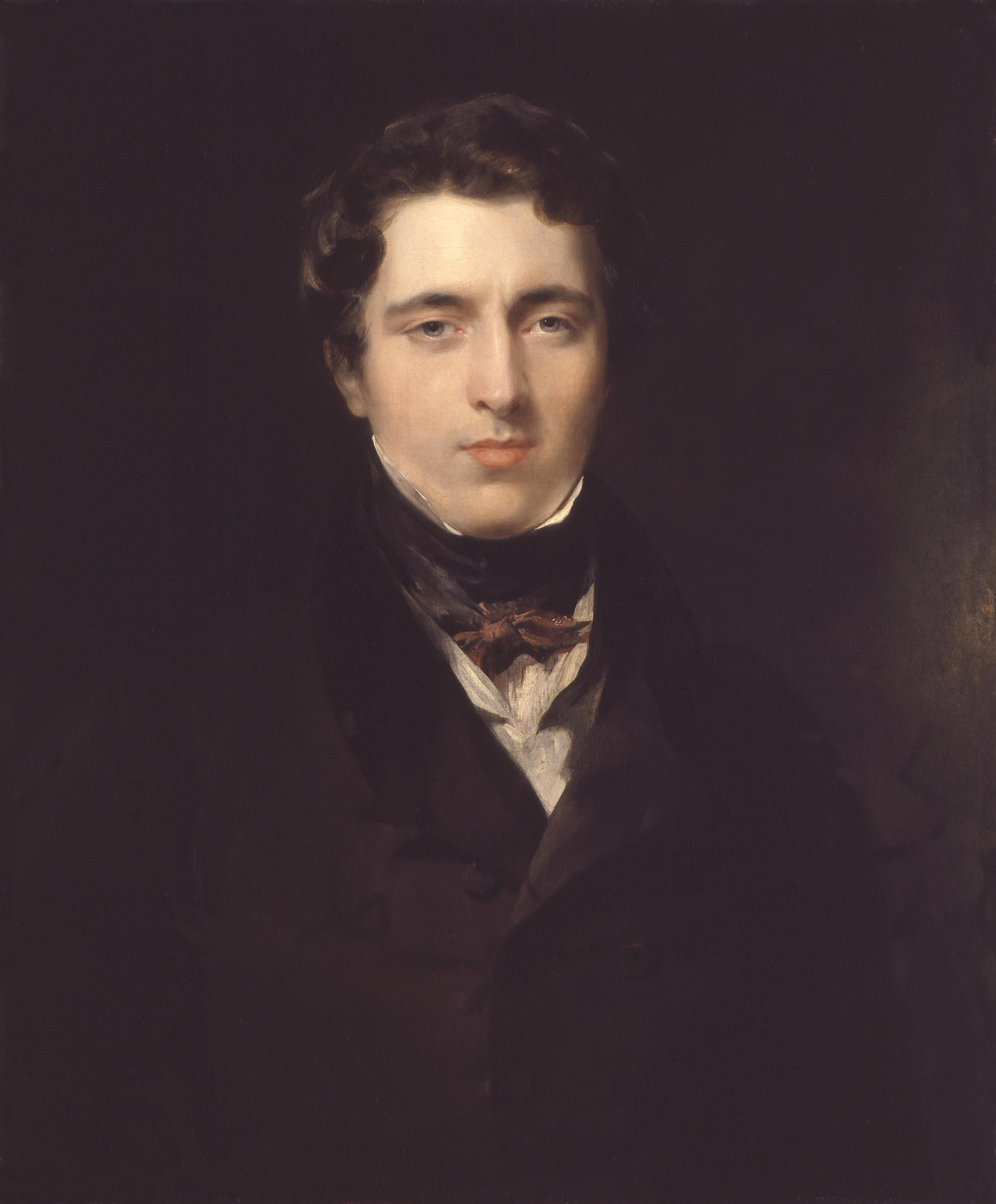
1802–1828
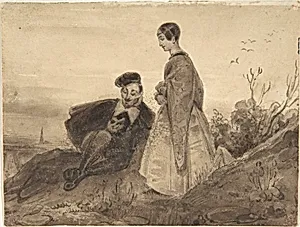
Richard Parkes Bonington (1802–1828) was a British painter and watercolorist who, despite dying at the age of twenty-five, produced a body of work that had a profound and lasting influence on French and British painting. Born in Arnold, near Nottingham, he moved with his family to Calais and then Paris in 1817, where he studied at the École des Beaux-Arts under Antoine-Jean Gros and copied Old Master paintings at the Louvre.
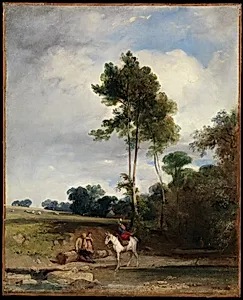
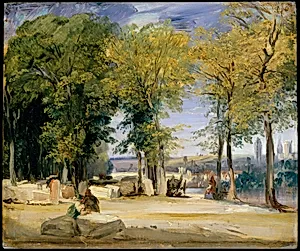
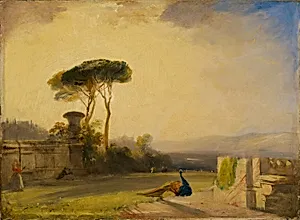
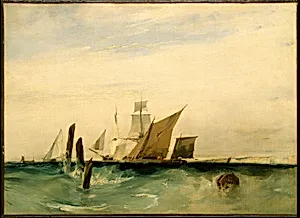
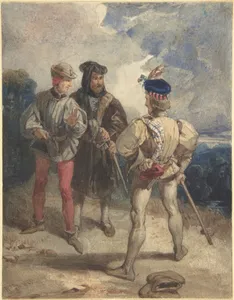
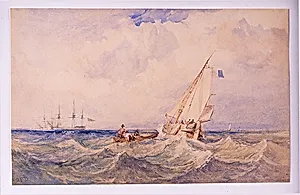
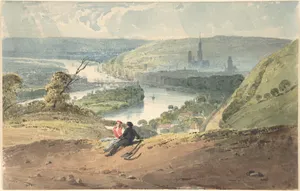
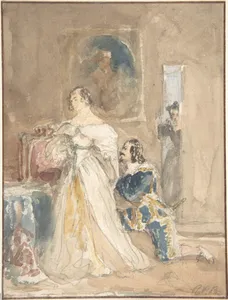
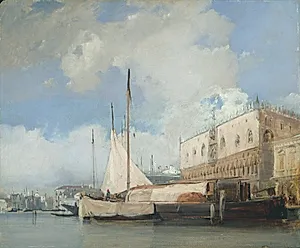
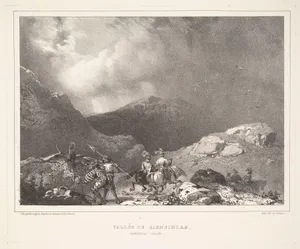
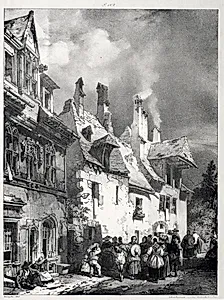
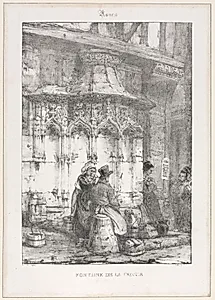
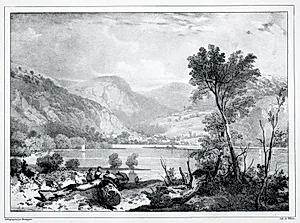
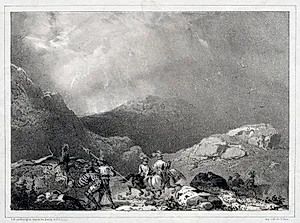
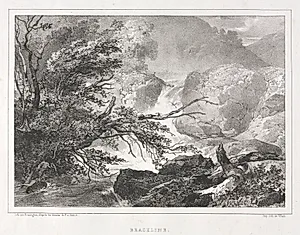
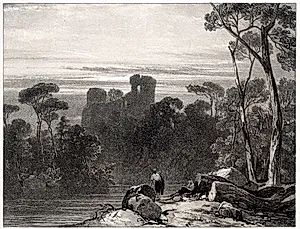
Bonington quickly established himself as a brilliant painter of landscapes, coastal scenes, and historical genre subjects. His watercolors and oil sketches of the Normandy coast, Venice, and the rivers and architecture of northern France are remarkable for their luminous color, atmospheric freshness, and a seemingly effortless fluidity of handling. He exhibited at the Paris Salon of 1824 alongside John Constable, and both artists were awarded gold medals — a remarkable achievement for a twenty-two-year-old foreigner.
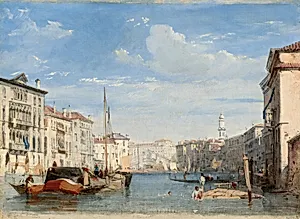
His friendship with Eugène Delacroix was mutually influential; the two artists shared a studio briefly in 1825, and Delacroix later credited Bonington with teaching him the value of spontaneity and luminous color. Bonington's Venetian scenes, painted during a visit in 1826, are among his finest works, capturing the city's light and architecture with a radiant immediacy that anticipated Impressionism by half a century.
Bonington died of tuberculosis in London at just twenty-five, but his influence on French Romantic painting — particularly on Delacroix, Isabey, and the Barbizon painters — was enormous. His work is held by the Wallace Collection and the National Gallery in London, the Louvre, the Yale Center for British Art, and the Musée des Beaux-Arts in several French cities.