Ctrl K
1811–1872
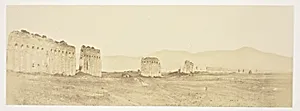
Robert Macpherson (1811–1872) was a Scottish artist who began his career in medicine before pivoting to painting and ultimately pioneering photography in Rome. Born in the Tayside region near Edinburgh, he enrolled at the University of Edinburgh in 1831 to study medicine but left without graduating after four years. He then trained at the Royal Scottish Academy, where he exhibited portraits from 1835 to 1839, including the oil painting *Templar Knight at Roslin Chapel* (1836). Abandoning his surgical ambitions amid health concerns, Macpherson arrived in Rome around 1840 to pursue landscape painting in the tradition of masters like Richard Wilson and J.M.W. Turner. There, he produced works such as the large oil *Roman Campagna* (1842), depicting a priest blessing a boy amid Claudian aqueduct ruins, though commercial success eluded him amid Rome's vibrant expatriate art scene.
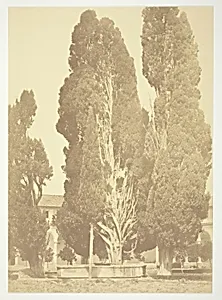
In 1849, Macpherson married Gerardine Bate, whose artistic talents later aided his endeavors; the couple had four surviving children. To supplement his income, he worked as an art dealer and journalist, notably acquiring and smuggling an unfinished Michelangelo panel, *The Entombment of Christ*, from a Roman convent in 1846, which he sold to London's National Gallery for £2,000 in 1868. Introduced to photography by friend Dr. Clark in 1851, he rapidly mastered the albumen-on-glass process, favoring large-format negatives (up to 12x16 inches) and exposures lasting minutes to days for exquisite detail. His style emphasized painterly composition, three-dimensional depth, and balanced forms, transforming topographic views into artistic statements—hallmarks of his transition from canvas to lens.
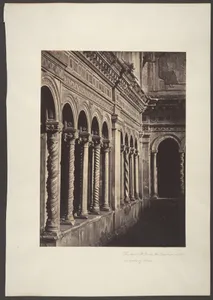
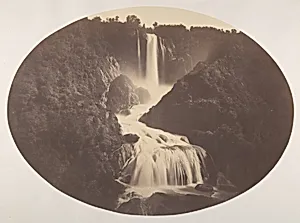
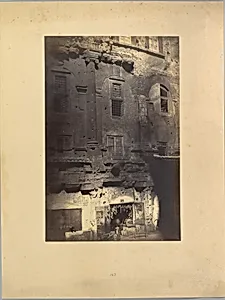
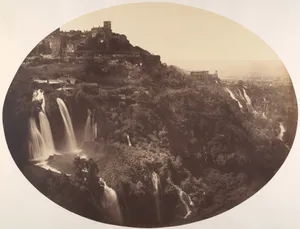
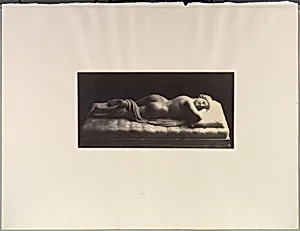
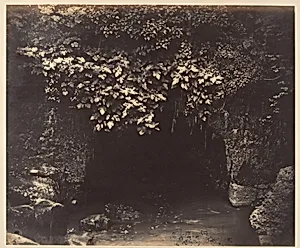
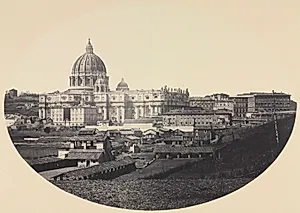
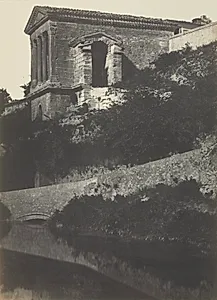
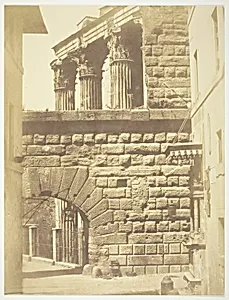
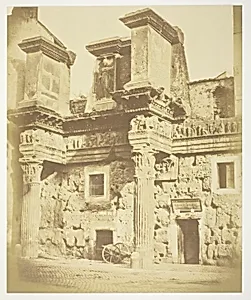
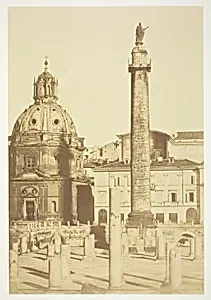
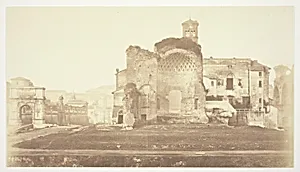
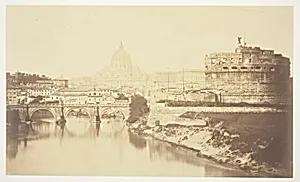
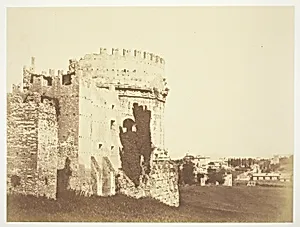
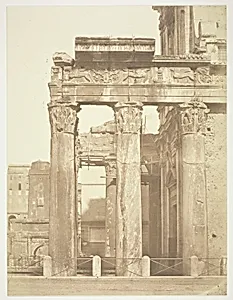
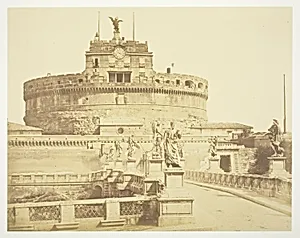
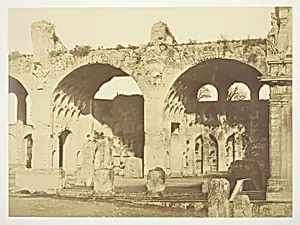
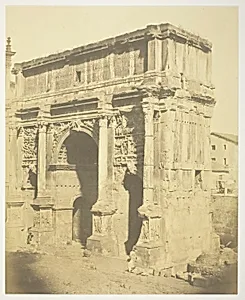
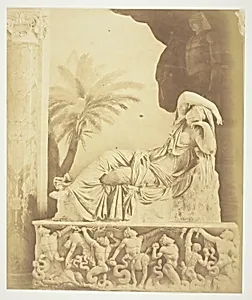
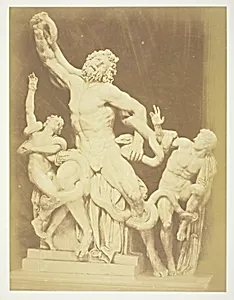
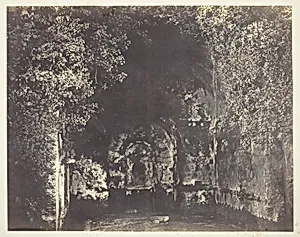
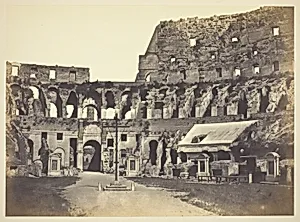
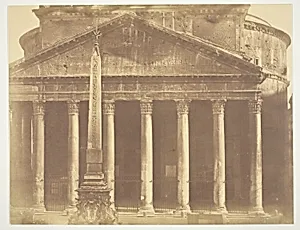
Macpherson's photographic oeuvre, catalogued at over 1,000 images, focused on Rome's ancient monuments, earning him acclaim as the city's premier photographer alongside rivals like James Anderson. Major series include panoramic views of the Roman Forum, Arch of Titus interior, Forum of Trajan, and Colosseum (1850s–1860s), alongside Italian landscapes like *Falls of Terni* (ca. 1860) and *The Hermaphrodite* (ca. 1861). His landmark publication, *Vatican Sculptures* (1863), featured 125 woodcuts carved by Gerardine from his photographs, granting him exclusive access as the first photographer inside the galleries. Exhibiting in Edinburgh and London, he positioned photography as fine art, influencing the medium's artistic legitimacy. Macpherson died in Rome in 1872, leaving a legacy of technically masterful prints now held in institutions like the Metropolitan Museum, Getty, and National Galleries of Scotland—enduring testaments to Rome's eternal allure through a Scotsman's lens.