Ctrl K
1645–1708
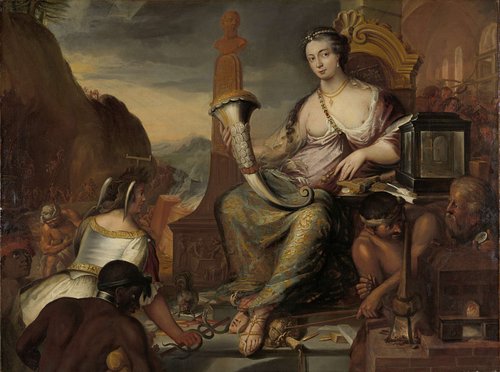
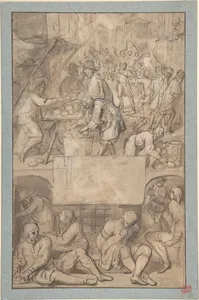
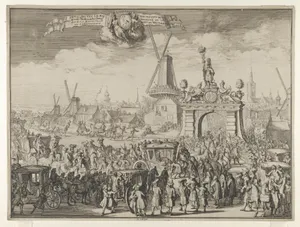
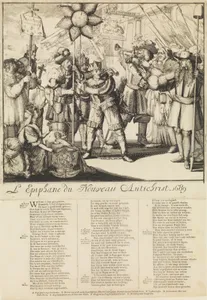
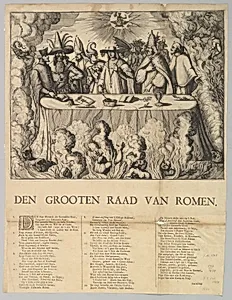
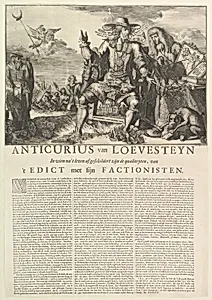
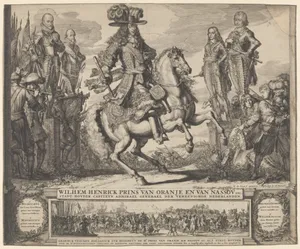
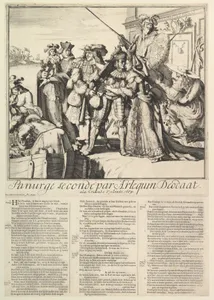
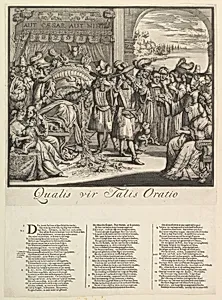
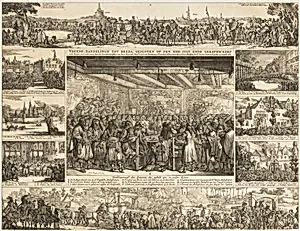
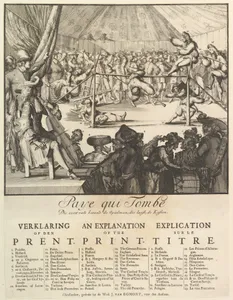
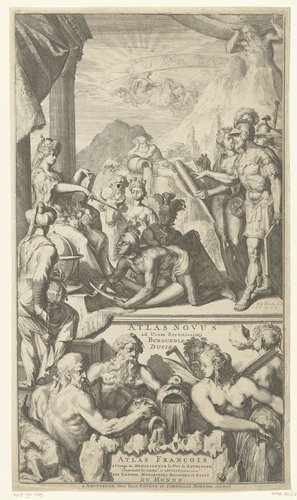
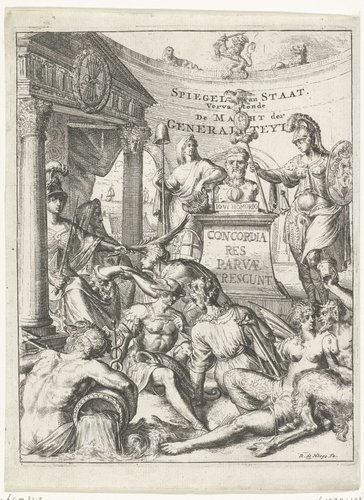
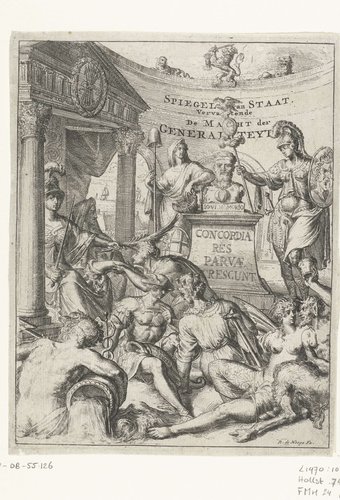
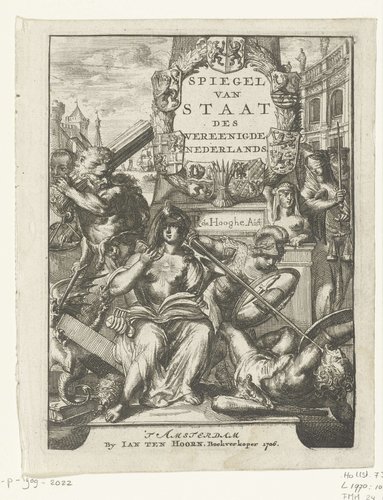
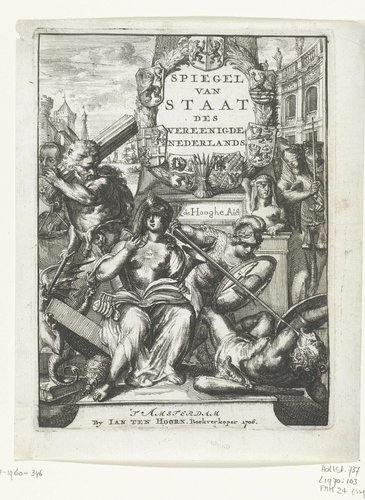
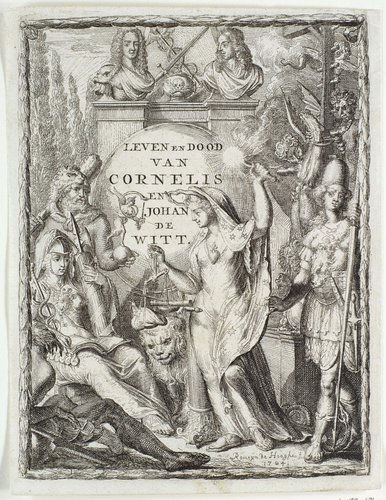
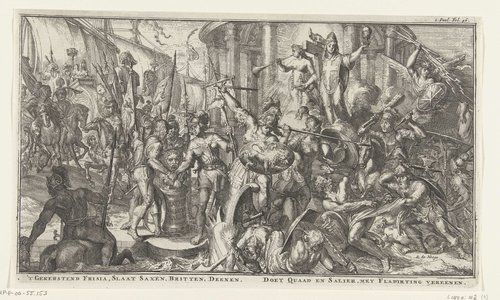
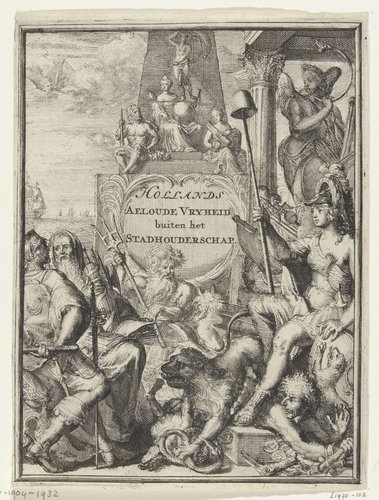
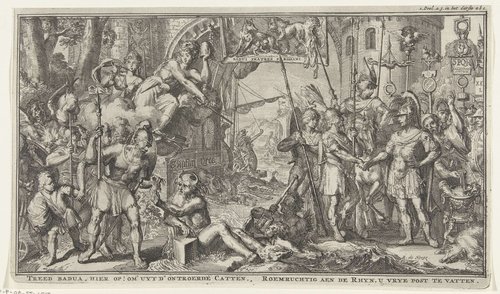
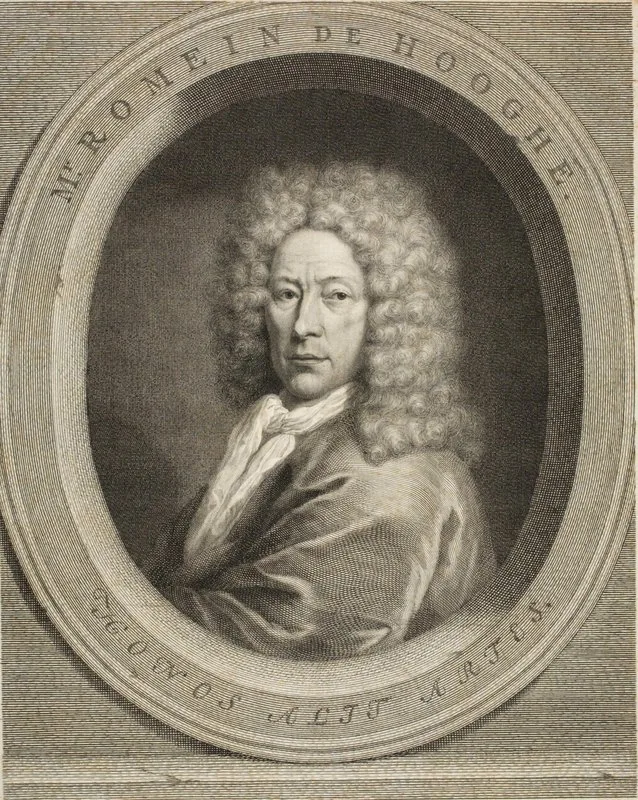
Romeyn de Hooghe (1645-1708) was a Dutch Baroque engraver, draughtsman, and political satirist who became the most prolific and versatile graphic artist of the Dutch Republic in the late seventeenth century. Born in Amsterdam, he rose to become one of early modern Europe's most important printmakers and a pioneering master of political satire. De Hooghe's significance extends far beyond his technical virtuosity. Historian Simon Schama identified him as the first great modern graphic satirist, whose sophisticated propaganda prints established conventions that would influence later masters like William Hogarth and James Gillray. During his career, he produced over 3,500 prints, creating an indelible visual record of late seventeenth-century European politics. His career accelerated during the Franco-Dutch War (1672-1678), when he created a massive array of patriotic prints glorifying Stadtholder William III of Orange. He became one of the stadtholder-king's ablest propagandists, extolling to a reluctant Dutch audience the virtues of William's invasion of Britain during the Glorious Revolution and the ensuing Nine Years' War. De Hooghe's distinctive baroque style combined spectacular allegorical fantasy with expressive mastery of physiognomy and intricate narrative detail. He worked across multiple media as an etcher, painter, sculptor, medalist, and writer.