Ctrl K
1917–2005
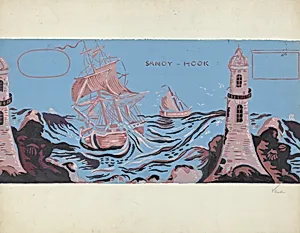
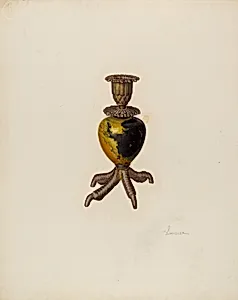
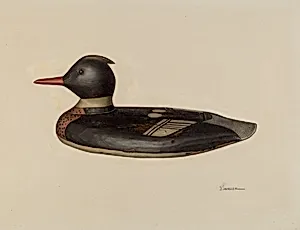
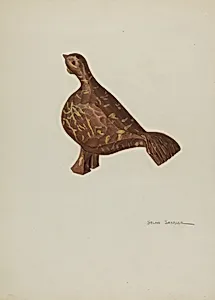
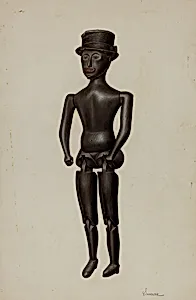
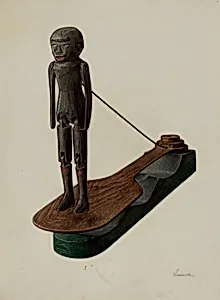
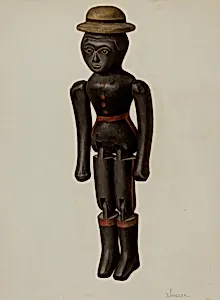
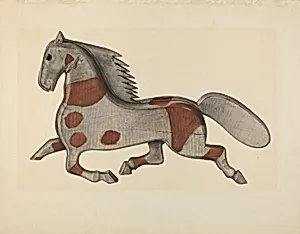
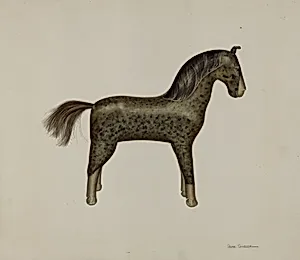
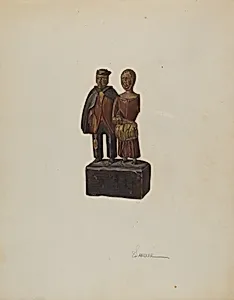
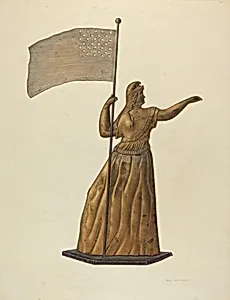
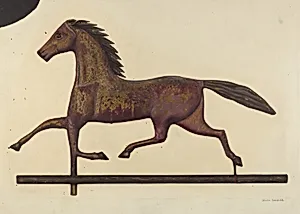
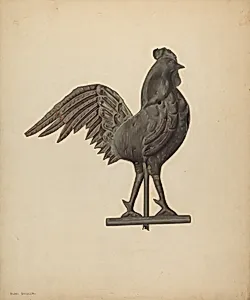
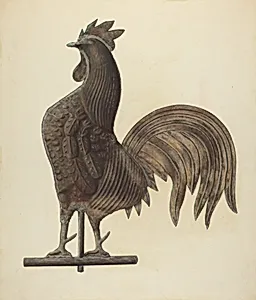
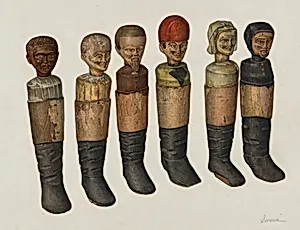
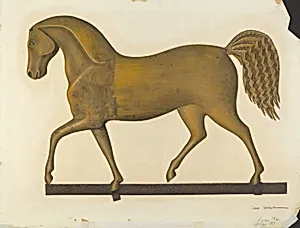
Selma Sandler (1917–2005) was an American artist whose meticulous watercolor renderings played a vital role in documenting the nation's folk art heritage during the Great Depression. Born on March 18, 1917, she contributed to the Index of American Design, a Works Progress Administration (WPA) project under the Federal Art Project that ran from 1935 to 1942. This ambitious endeavor employed artists across the country to create precise, colorful depictions of everyday American objects— from carved wooden toys and whimsical weather vanes to decorative bandboxes—preserving cultural artifacts that might otherwise have been lost to time.
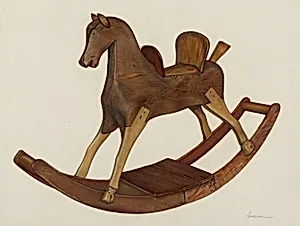
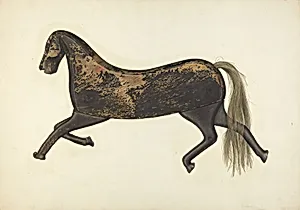
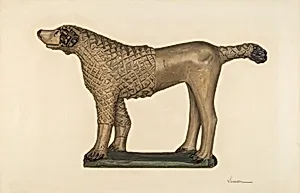
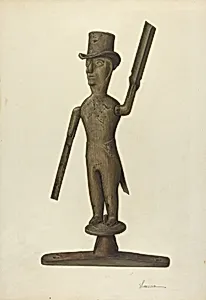
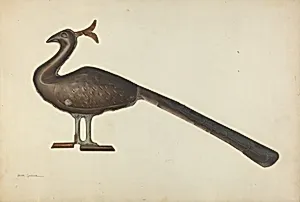
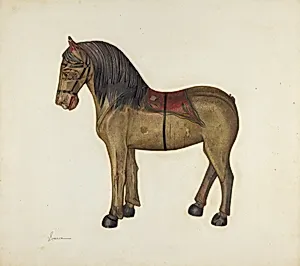
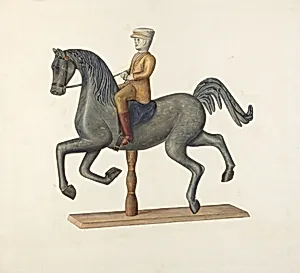
Little is known about Sandler's early life and artistic training, as biographical details remain sparsely documented. What survives of her career centers on her WPA employment, where she produced dozens of works capturing the charm and craftsmanship of Pennsylvania German folk traditions and other regional vernacular arts. Her style was characterized by exacting detail and vibrant gouache and watercolor techniques on paperboard, rendering three-dimensional objects with a flat, illustrative precision that highlighted their sculptural forms and painted surfaces. Notable examples include *Rocking Horse* (c. 1941), *Poodle* (c. 1940), *Dancing Doll* (multiple versions), *Weather Vane Peacock* (c. 1939), *Whirligig* (c. 1939), *Toy Horse* (1935/1942), and *Pa. German Toy Turkey*, among others in the National Gallery of Art's collection of 25 pieces.
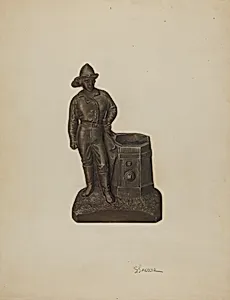
Sandler's contributions extended the reach of American folk art into public consciousness, bridging utilitarian crafts with fine art documentation. Her images, often sourced from museums and private collections, celebrated the ingenuity of anonymous makers—carvers, toymakers, and metalworkers—whose works embodied regional identities. Though she produced pieces into the 1950s, such as a *Bandbox* (c. 1953), her legacy endures through the enduring accessibility of the Index, now digitized and housed in institutions like the National Gallery of Art. By faithfully recording these artifacts, Sandler helped foster a renewed appreciation for America's grassroots creativity, influencing later folk art revivals and scholarly studies.