Ctrl K
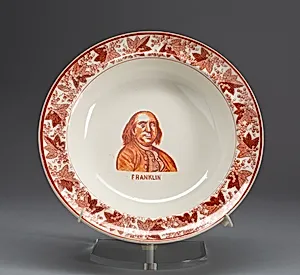
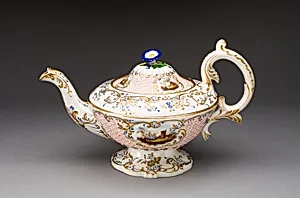
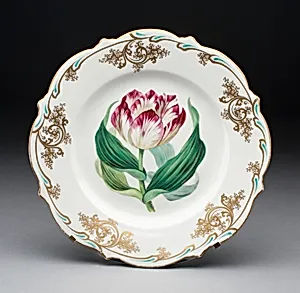
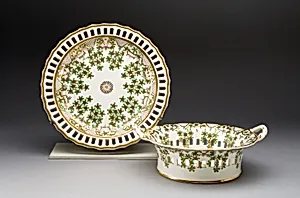
**Spode Limited** is an iconic English brand of pottery and homewares headquartered in Stoke-on-Trent, England, renowned for its contributions to the Industrial Revolution-era ceramics industry. Founded by Josiah Spode (1733–1797) in 1770, the company traces its roots to the purchase of works in 1776 on Church Street in Stoke. Josiah Spode, who had apprenticed under the prominent potter Thomas Whieldon from age 16 to 21, built upon earlier partnerships to create fine earthenwares, stonewares, and eventually porcelain.
The firm operated in the Staffordshire pottery tradition and became celebrated for perfecting underglaze blue transfer printing on earthenware around 1783–1784, enabling mass production of intricate designs. It is also credited with refining the formula for bone china around 1790, which Josiah Spode II successfully commercialized. These innovations propelled English ceramics to global prominence.
Among its major works, the Blue Italian pattern—launched in 1816 and featuring Italianate scenes—remains in continuous production to this day. The company also produced early Willow patterns, sporting scenes, Italian views on dinner services, and high-quality bone china tablewares, including armorial pieces and Felspar porcelain introduced in 1821. Pattern books documenting tens of thousands of designs survive as testaments to its output.
Spode’s legacy endures through its influence on British ceramic design and manufacturing. After periods under names like W.T. Copeland & Sons, it operated as Spode Ltd from 1970 and is now a subsidiary of the Portmeirion Group, with many classic lines still made in Stoke-on-Trent. The brand’s heritage inspires collectors and historians, with institutions like the Spode Museum preserving its rich archive of works.