Ctrl K
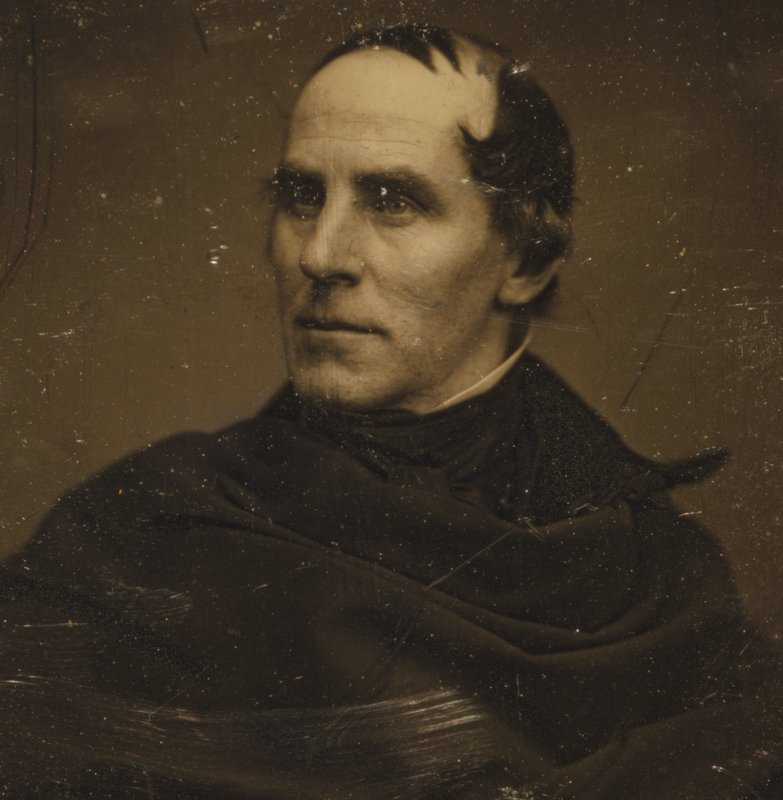
1801–1848
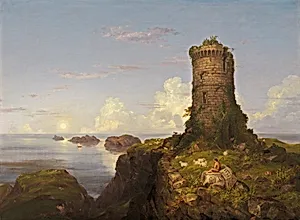
Thomas Cole (1801–1848) was an English-born American painter who founded the Hudson River School, the first major American art movement, and became the most influential landscape painter in nineteenth-century American art. Born in Bolton, Lancashire, England, he emigrated with his family to the United States in 1818, settling first in Ohio before moving to Philadelphia and then New York, where he was largely self-taught as a painter.
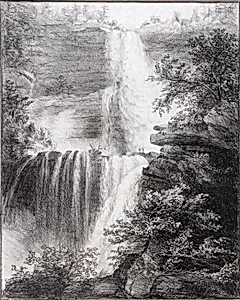
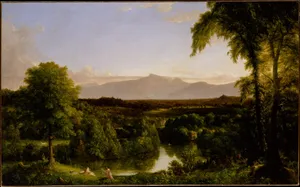
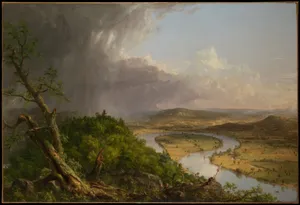
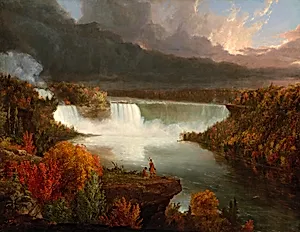
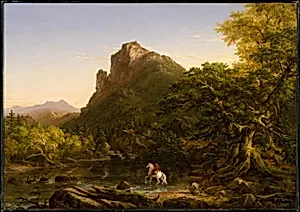
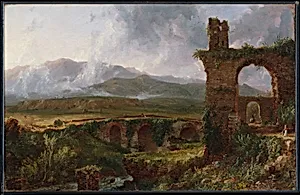
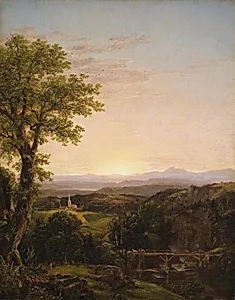
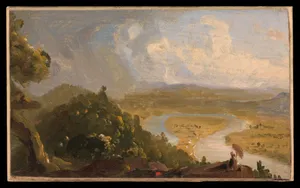
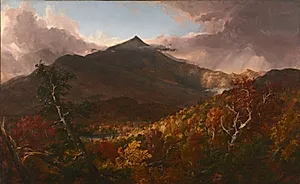
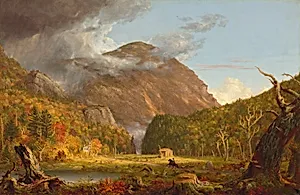
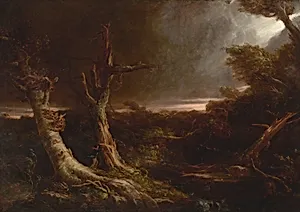
Cole's career was launched in 1825 when three landscape paintings he displayed in a New York shop window were purchased by prominent collectors, including the painter John Trumbull, who declared Cole's work superior to anything he had seen. Cole's landscapes of the Hudson River Valley, the Catskill Mountains, and the White Mountains of New Hampshire — painted with dramatic light, meticulous botanical detail, and a profound reverence for wilderness — established the template for American landscape painting.
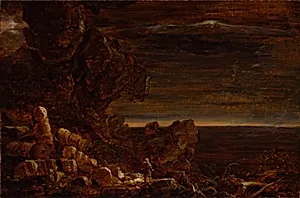
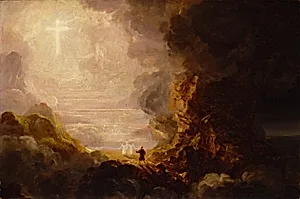
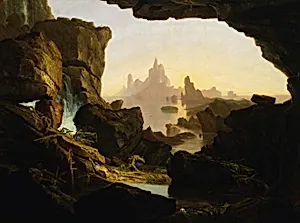
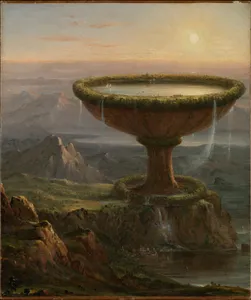
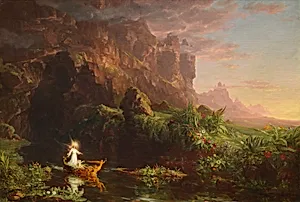
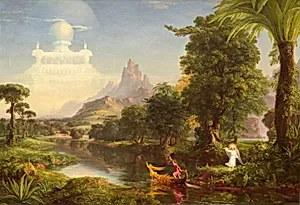
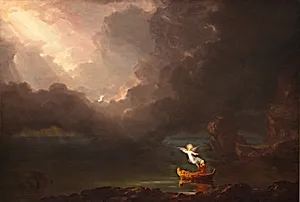
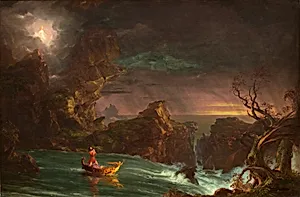
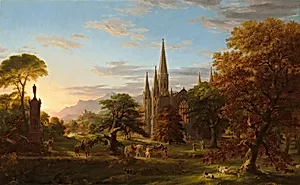
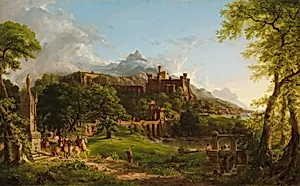
Cole was equally ambitious as an allegorical painter. His two great series — "The Course of Empire" (1833–36), five paintings tracing the rise and fall of a civilization, and "The Voyage of Life" (1842), four paintings following a man's journey from birth to death — are among the most important narrative painting cycles in American art. These works combined landscape painting with philosophical and moral themes, elevating the genre beyond mere scenery.
Cole died of pleurisy at forty-seven. His influence on American art and on the conception of landscape as a vehicle for spiritual and national meaning was immense. His work is held by the Metropolitan Museum of Art, the National Gallery of Art, the New-York Historical Society, and the Thomas Cole National Historic Site in Catskill, New York.