Ctrl K
1837–1926
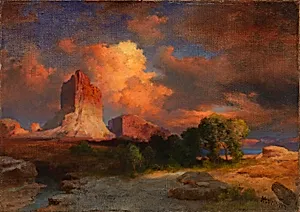
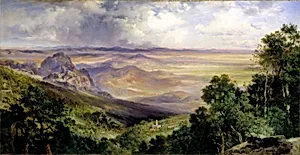
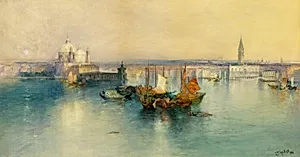
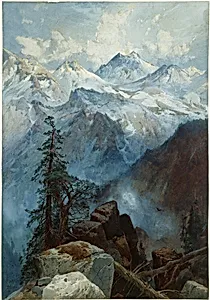
Thomas Moran (1837–1926) was an American painter and printmaker of the Hudson River School whose dramatic paintings of the American West played a pivotal role in the creation of the national parks. Born in Bolton, Lancashire, England, he emigrated with his family to Philadelphia as a child. He was largely self-taught, though he apprenticed briefly with a wood engraver and studied the work of J.M.W. Turner during visits to England — an influence that would profoundly shape his approach to light, color, and atmospheric drama.
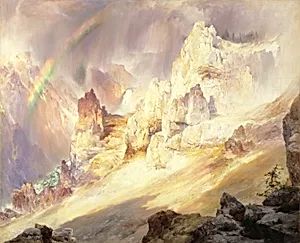
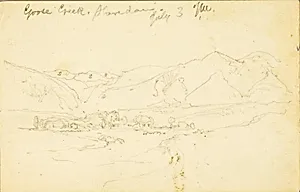
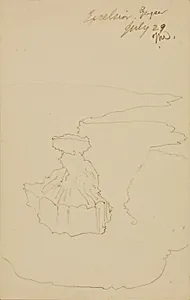
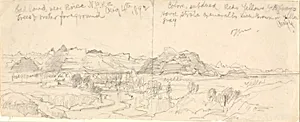
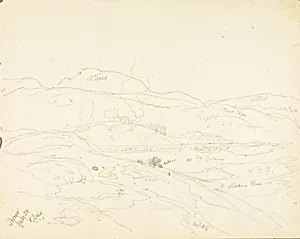
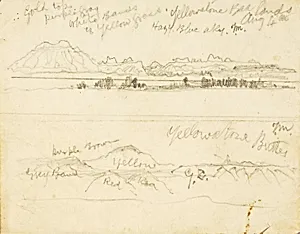
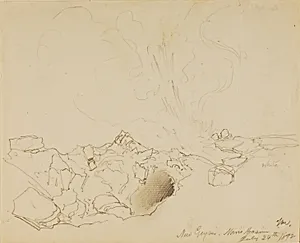
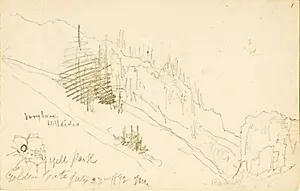
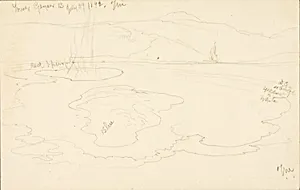
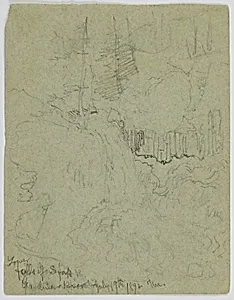
Moran's career was transformed in 1871 when he joined Ferdinand V. Hayden's geological survey expedition to the Yellowstone region. His watercolors and sketches from the trip, together with William Henry Jackson's photographs, were presented to the United States Congress and are credited with helping to persuade legislators to establish Yellowstone as the first national park in 1872. A subsequent expedition to the Grand Canyon of the Colorado in 1873–74 yielded similarly spectacular paintings.
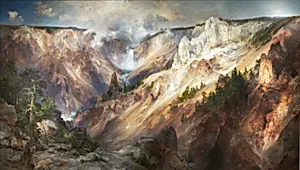
His monumental canvases "The Grand Canyon of the Yellowstone" (1872) and "Chasm of the Colorado" (1873–74) were purchased by the U.S. government and hung in the Capitol building. These works, with their vast panoramic compositions, luminous skies, and awe-inspiring geological formations, defined the visual image of the American West for generations and embodied the spirit of conservation.
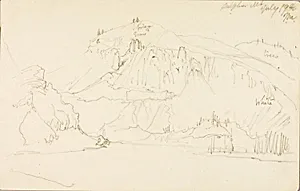
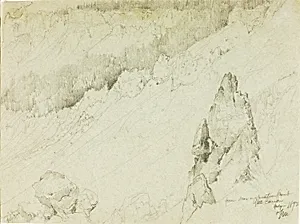
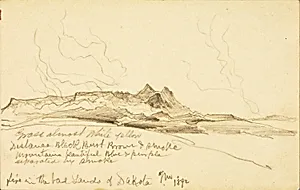
Moran continued to paint the Western landscape throughout his long career, producing works depicting the Rockies, the Teton Range (which bears his name — Mount Moran), and other Western subjects. He was also a prolific etcher and lithographer. His work is held by the Smithsonian American Art Museum, the National Gallery of Art, the Gilcrease Museum, and numerous other institutions.