Ctrl K
1837
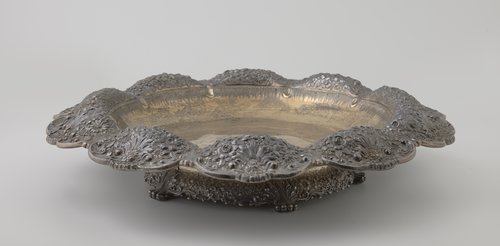
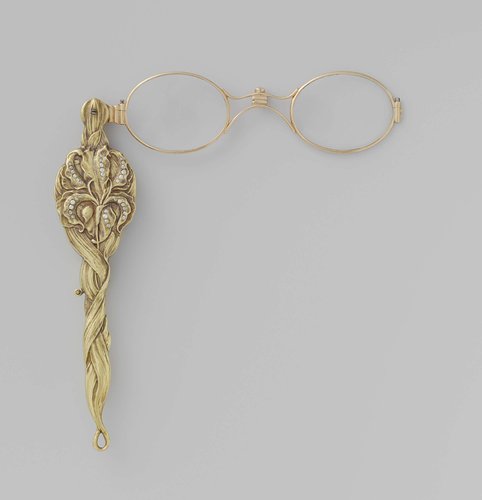
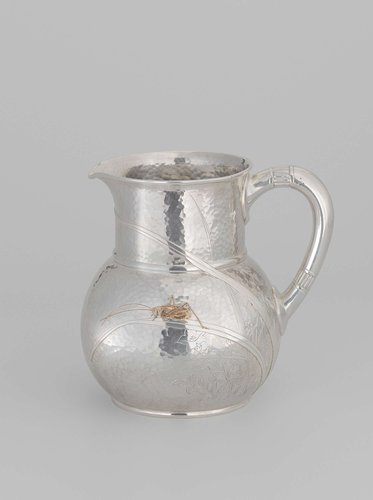
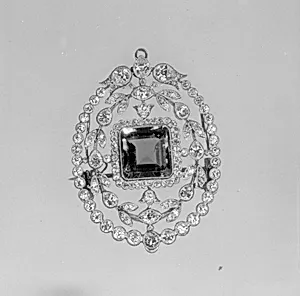
Tiffany & Co., founded on September 18, 1837, by Charles Lewis Tiffany and John B. Young in New York City as a stationery and fancy goods store, quickly evolved into a premier American house for jewelry and decorative arts. Under Charles's leadership, the firm introduced innovations like the sterling silver standard in 1851 and the iconic six-prong Tiffany Setting engagement ring in 1886, establishing its reputation for luxury craftsmanship. The company's artistic zenith arrived with Charles's son, Louis Comfort Tiffany (1848–1933), who trained as a painter under George Inness and Samuel Colman, at the National Academy of Design (1866–1867), and with Léon-Adolphe-Auguste Belly (1868–1869), before turning to glassmaking around 1875. Appointed Tiffany & Co.'s first design director and vice president in 1902, Louis infused the firm with his vision, founding Tiffany Studios in 1900 to produce groundbreaking art glass.
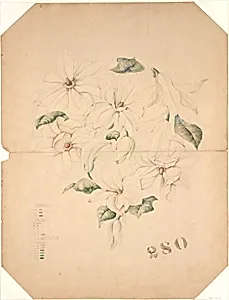
Working in the Art Nouveau and Aestheticism traditions, Tiffany & Co. pioneered opalescent and favrile glass (patented 1894)—iridescent, handmade glass evoking natural phenomena—alongside techniques like streamer, fracture, and drapery glass for organic textures. Louis and collaborators such as Clara Driscoll, Agnes Northrop, and Frederick Wilson employed the copper-foil method for intricate stained-glass assemblies, diverging from traditional lead came to create vibrant, painterly effects inspired by nature, medieval glass, and Eastern motifs. Tiffany Studios in Corona, Queens, employed up to 300 artisans, producing windows, mosaics, vases, and lamps until bankruptcy in 1932.
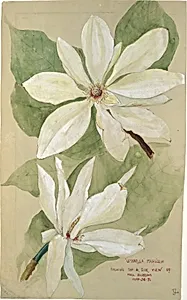
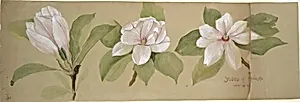
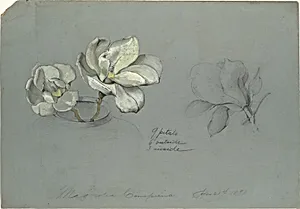
Iconic works include the Dragonfly lamp (1900, Paris Exposition prize-winner), Wisteria lamp (c. 1905–1906), and Water Lily table lamp (c. 1904–1915), alongside stained-glass masterpieces like The Four Seasons windows (1900), The Holy City (1905, Brown Memorial Presbyterian Church), and Magnolias and Irises (c. 1908). These pieces adorned the White House (1882), churches nationwide, and Louis's Laurelton Hall estate.
Tiffany & Co.'s legacy endures in major collections at the Metropolitan Museum of Art, Charles Hosmer Morse Museum (holding the Tiffany Chapel), and Brooklyn Museum, symbolizing American innovation in decorative arts. Revived in popularity since the 1960s, original lamps fetch millions at auction, while the firm—acquired by LVMH in 2021—continues blending heritage with contemporary design, its Tiffany Blue box an enduring cultural icon.